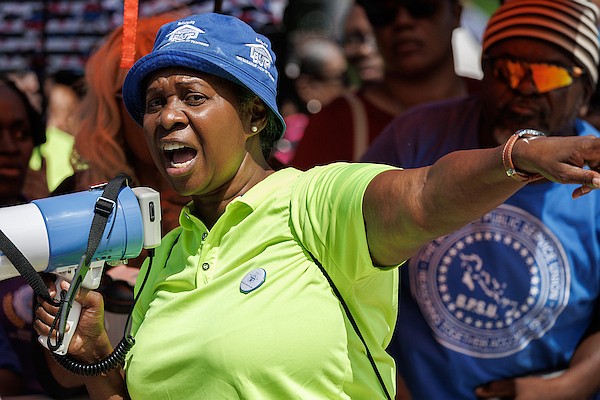
A profound rift has emerged between the Bahamian government and its educators as teachers have overwhelmingly endorsed industrial action. This development follows Prime Minister Philip ‘Brave’ Davis’s recent expression of disappointment regarding union reactions to newly announced public sector salary adjustments.
According to a Sunday release of survey results by the Bahamas Union of Teachers (BUT), a striking 87.8% of participating teachers favor pursuing industrial action concerning unresolved compensation issues. Furthermore, 92% of respondents expressed support for proceeding with a formal strike vote. BUT President Belinda Wilson announced she would advise union members on subsequent steps following these decisive results.
The vote intensifies existing tensions that escalated last week when Wilson dismissed the government’s proposed salary increases—reportedly ranging from $150 to $341—as mere ‘crumbs.’ She has urged teachers to remain vigilant as dissatisfaction mounts throughout the public service sector. Many employees are seeking transparency regarding the calculation methodology for these increases, with particular frustration among those aware that certain civil servants received $3,000 or more, with retroactive payments dating to September 2024.
Latrae Rahming, Director of Communications for the Office of the Prime Minister, stated last week that the administration would allocate $20 million annually to maintain these civil service salary increases. He confirmed that over 17,000 civil servants had received their adjusted payments last Wednesday.
Wilson issued a sharp rebuttal to these developments: ‘We await detailed documentation specifying payment recipients and amounts. Prime Minister Davis has essentially sent a boy to do a man’s job—I don’t recall the Director of Communications being appointed Finance Minister.’ She further suggested that open dialogue and proper consultation with unions could have prevented the current impasse, emphasizing that adherence to existing Industrial Agreements would have fostered better outcomes.
Prime Minister Davis previously told reporters that while disappointed with the union’s response, he believed the increases represented a positive gesture. He indicated that unions would have opportunities to address concerns during upcoming negotiations for new industrial agreements, characterizing the increases as unilateral gestures rather than negotiated settlements.
Union leaders have consistently criticized the implementation of these salary adjustments, describing them as insufficient and unevenly distributed. The current phase of payments targets officers excluded from earlier compensation exercises, providing at least two increments retroactive to September, with variations across different employee categories.
This compensation reform follows widespread October protests regarding delayed increases and confusion about adjustment mechanisms. Government officials state the initiative aims to reduce pay disparities between public service roles and the broader public sector, citing base-pay gains of 8-31% over four years—including 19% increases for college graduates such as nurses and teachers. While the reform’s first phase focused on middle management in late June, and the second phase addresses remaining service members, union leaders question the completeness of the process as not all civil servants have received payments.