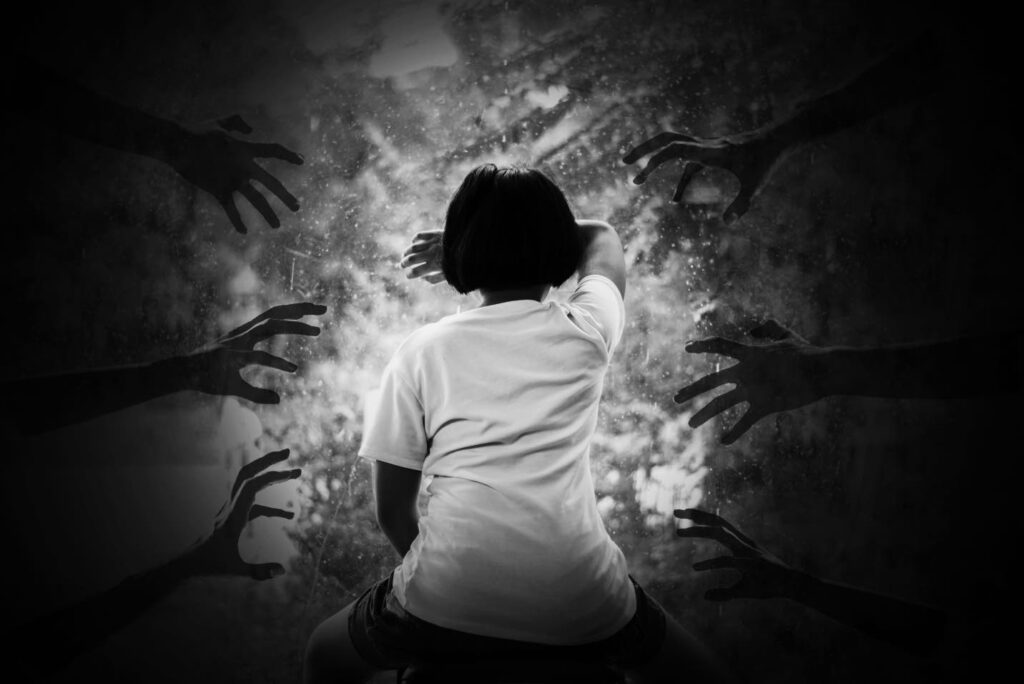
Jamaica faces an unprecedented child protection crisis in the wake of Hurricane Melissa’s devastation, with experts warning of heightened risks of abuse and victimization surpassing even pandemic-era dangers. Professor Zoyah Kinkead-Clarke of The University of the West Indies has issued a stark warning to caregivers, urging extreme vigilance and what she describes as necessary “paranoia” in supervising vulnerable children.
The Category 5 hurricane that made landfall on October 28 has left approximately 156,000 dwellings damaged—including 24,000 complete losses—while devastating educational infrastructure across 679 schools and 21 tertiary institutions. This destruction has displaced protective barriers both literally and figuratively, eliminating the safe spaces that traditionally shield minors from harm.
During the recent Regional Colloquium on Early Childhood Education hosted at UWI in collaboration with multiple organizations including the Jamaica National Foundation and Early Childhood Commission, experts revealed disturbing parallels to pandemic-era risks. Professor Kinkead-Clarke emphasized that schools serve as crucial protective factors, and their absence creates conditions for increased victimization similar to extended summer breaks but magnified by widespread homelessness.
Education Minister Senator Dr. Dana Morris Dixon confirmed the monumental impact on education, with over 111,000 students and 5,000 staff members experiencing complete disruption of their academic routines. The physical destruction has been particularly severe in seven parishes including St. Ann, Trelawny, and St. James.
Allison Montgomery, Programme Officer at the School of Education Mona, characterized the current crisis as surpassing COVID-19’s challenges, noting that while children remained in homes during the pandemic, many are now completely without shelter. The compounded mental health strain on parents and caregivers further compromises their ability to provide protection, creating a multidimensional emergency requiring creative community-based solutions.
The consensus among experts emphasizes that child protection must become a communal effort involving churches, community centers, and extended families. With legal systems already overwhelmed by pandemic-era cases that remain unresolved years later, the urgency for establishing functional safe spaces and addressing mental health needs for both children and caregivers has reached critical levels unprecedented in Jamaica’s recent history.