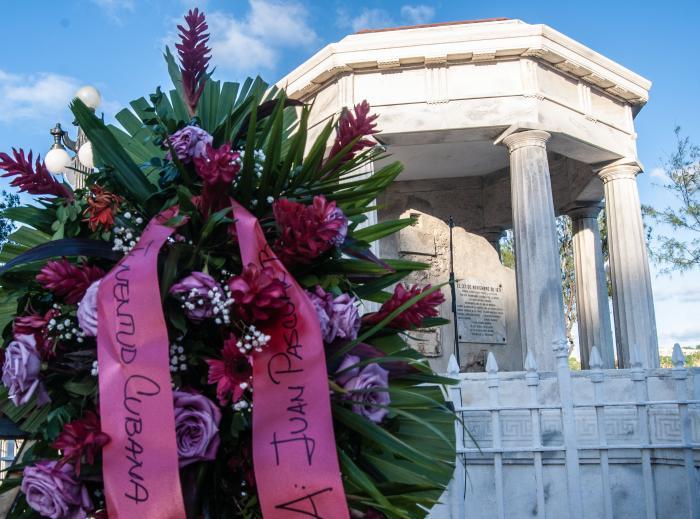
HAVANA – The haunting memory of November 27, 1871, continues to cast a profound shadow over Cuba’s historical consciousness, marking one of the most tragic judicial miscarriages in the nation’s colonial history. On this date, eight young medical students—most still in their teenage years—faced a firing squad for crimes they never committed, their lives extinguished by Spanish colonial authorities in an act that would become symbolic of colonial oppression.
The sequence of events began innocuously when first-year medical students gathered at the San Dionisio Asylum amphitheater adjacent to Espada Cemetery, awaiting their anatomy professor. When the instructor failed to appear promptly, several students ventured into the cemetery grounds—an action not prohibited—where some engaged in minor mischief including climbing onto a corpse transport cart. The most trivial act, plucking a single rose from the garden by 16-year-old Alonso Álvarez de la Campa, would ultimately carry fatal consequences.
Spanish authorities fabricated charges accusing the students of desecrating the burial niche of Gonzalo de Castañón, a Spanish journalist who had advocated for the extermination of Cubans. Despite conclusive evidence proving the vandalism predated the students’ presence, colonial officials proceeded with a sham trial. The accused ranged from 16 to 21 years old, with Carlos Verdugo not even present in Havana during the alleged incident.
At 4:20 PM on that fateful November afternoon, three volleys of gunfire ended the lives of eight promising young scholars. Their executions were compounded by the additional killing of five Abakuá men who attempted to rescue the students, amplifying the tragedy’s human toll. Contemporary accounts describe how the victims’ parents succumbed to grief and helplessness, while the students themselves faced their final moments bewildered by the unjust accusations against them.
Now commemorated 154 years later, this episode remains etched in Cuba’s national memory as both a testament to colonial brutality and a symbol of resilience. Annual ceremonies honor the students’ legacy, ensuring that new generations understand the price paid by those who fell victim to unjust power.