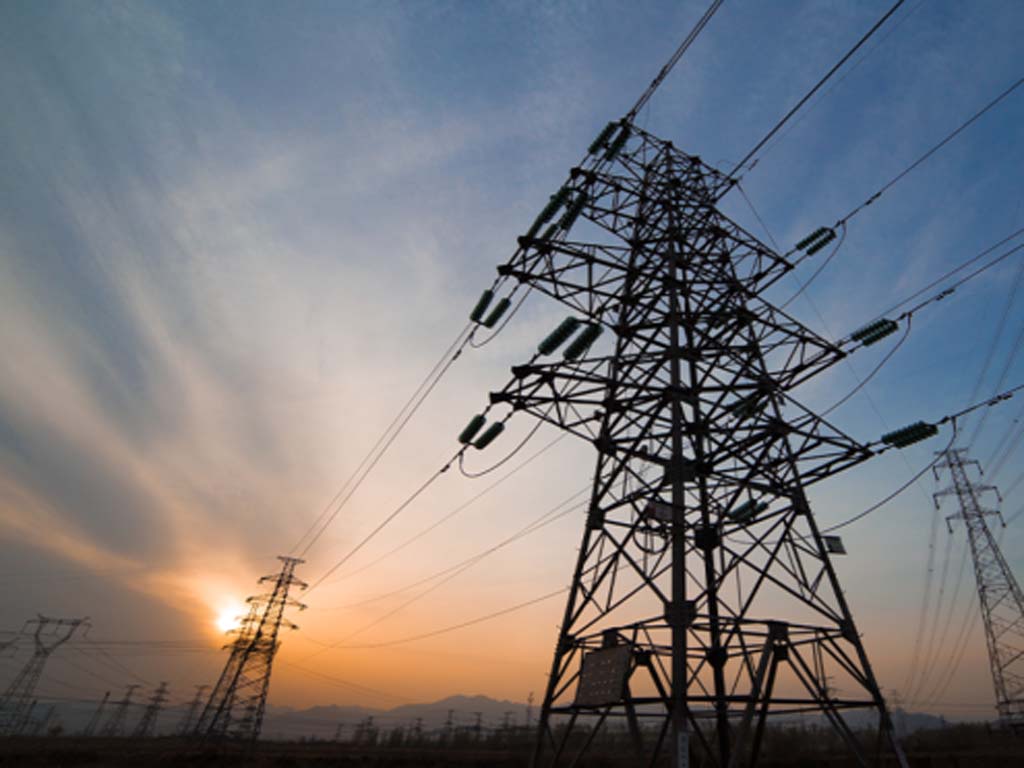
A catastrophic nationwide power outage was initiated by an unauthorized operational maneuver that violated established protocols, according to an official report from the Coordinating Body of the National Interconnected Electric System (SENI). The incident generated an exceptionally high-intensity short circuit that activated protective systems throughout the electrical infrastructure.
The technical analysis reveals that the initial fault precipitated a cascading failure across the grid. Multiple transmission lines in proximity to the incident automatically disconnected in an effort to contain the problem, resulting in the separation of Eastern generation facilities producing 575 MW from the main network. This sudden disconnection created an immediate and substantial imbalance between electricity supply and consumer demand.
As designed by their safety protocols, large-capacity power plants implemented automatic shutdown procedures to prevent equipment damage. While the National Interconnected System initially maintained frequency stability for approximately 89 seconds, the absence of synchronized cold reserve capacity left the system critically vulnerable. This deficiency led to an abrupt frequency decline that culminated in the complete collapse of the national power grid.
Energy specialists have proposed comprehensive measures to fortify grid resilience, including accelerated installation of protective devices in double-busbar substations and operational modifications to leverage advanced technologies in both thermal and renewable energy generation. Additional recommendations incorporate the integration of battery storage systems for auxiliary services and emergency power, coupled with a thorough review and adjustment of protective device timing configurations and automated disconnection schemes.