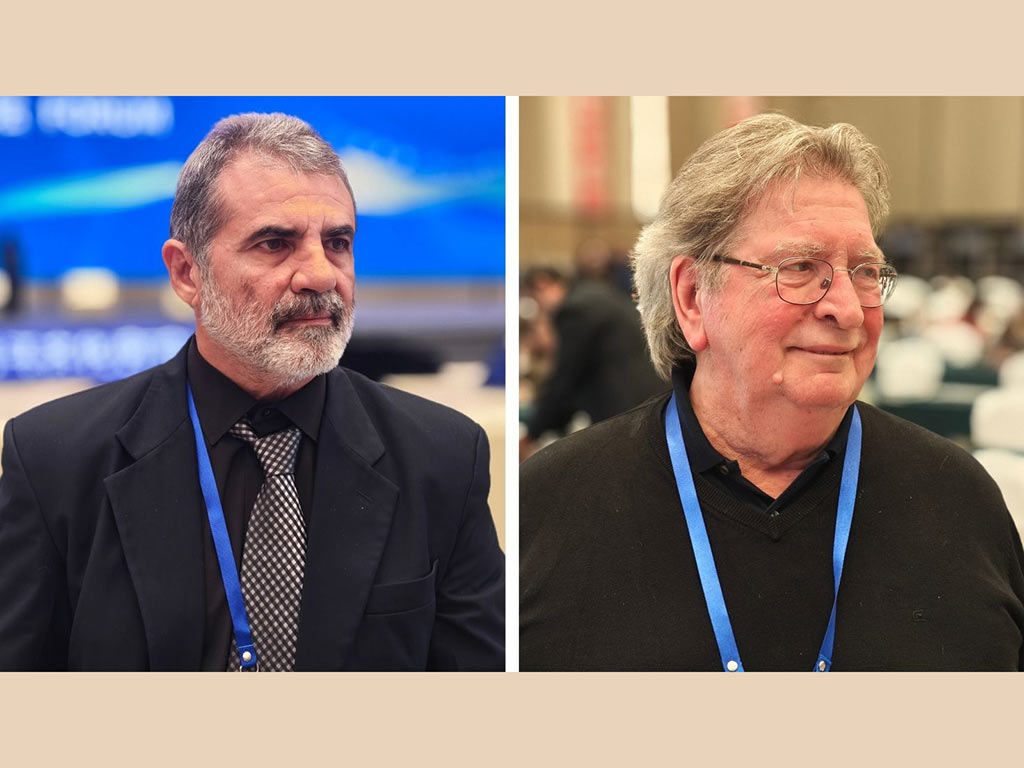
In a recent dialogue with Prensa Latina, Cuban academician Eduardo Regalado highlighted the transformative impact of the Belt and Road Initiative (BRI) on Latin America. Regalado emphasized that the megaproject has significantly contributed to infrastructure development, enhanced connectivity, facilitated technology transfer, and promoted environmental conservation efforts. Moreover, it has opened new avenues for trade and investment cooperation between Latin America and other participating nations. Regalado underscored that the BRI provides an alternative development pathway for Global South countries, particularly in Latin America, offering access to financing, advanced technologies, and collaborative opportunities without the political constraints often associated with traditional global financial mechanisms.
French academician Jean-Pierre echoed these sentiments, noting that the BRI has evolved from a conceptual project into a tangible reality that is reshaping international dynamics. He described the initiative as a viable alternative to the faltering capitalist system, aligning with Chinese President Xi Jinping’s five proposals for global governance. Jean-Pierre emphasized that the BRI is grounded in principles of non-intervention, respect for sovereignty, solidarity, and peace, making it a unique model for international cooperation.
Both experts are participating in the sub-forum ‘Belt and Road Initiative, Civilizational Dialogue,’ held as part of the Yangtze River Culture Forum. The event has brought together approximately 300 scholars from over 30 countries to discuss the BRI’s role in fostering global development and cross-cultural understanding.