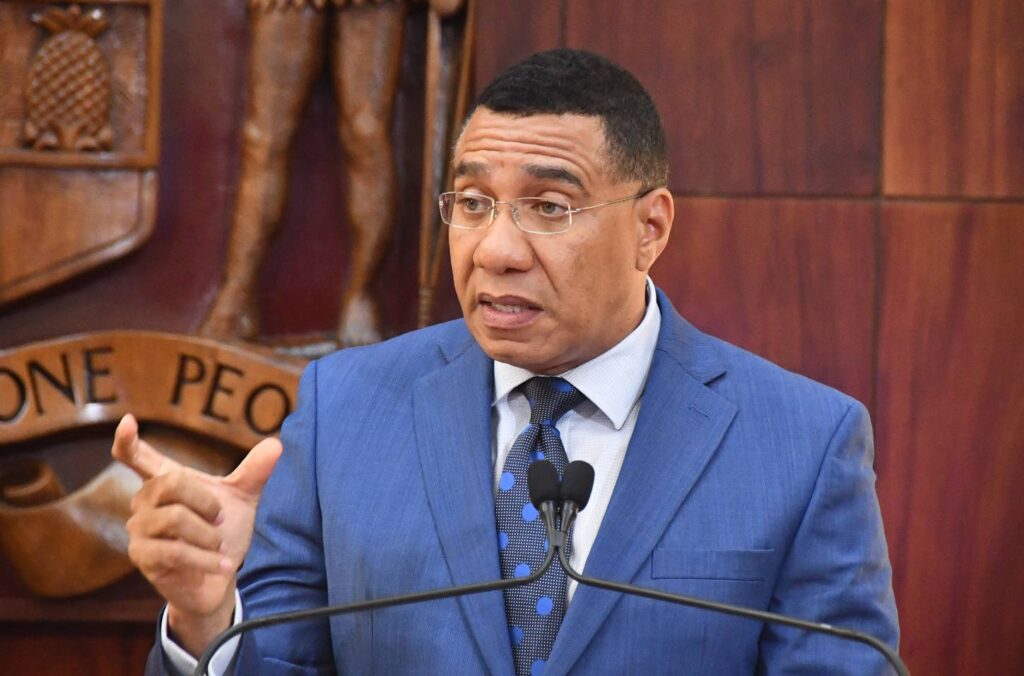
In response to the devastating impact of Hurricane Melissa, the Jamaican Government has announced the creation of the National Reconstruction and Resilience Authority (NaRRA) to oversee the extensive recovery and rebuilding efforts. Prime Minister Dr. Andrew Holness revealed the initiative during a special media briefing at Jamaica House on Thursday, emphasizing the urgency and scale of the reconstruction required.
Hurricane Melissa, described as the deadliest natural disaster to hit Jamaica in over 70 years, has caused an estimated US$8.8 billion in physical damage, according to a World Bank assessment. The Government is expected to shoulder at least half of this cost, with the remainder covered by private entities. NaRRA, a statutory body with special powers, will be granted immediate access to US$1.15 billion to initiate its operations.
Prime Minister Holness explained that existing government structures are ill-equipped to handle reconstruction at the necessary speed and scale. NaRRA will centralize efforts, avoiding the inefficiencies of fragmented ministry-by-ministry approaches. The authority will focus on building safer, climate-resilient infrastructure, improving land-use planning, and relocating communities from high-risk zones.
Funding for NaRRA will come from the national budget, with initial resources drawn from the National Natural Disaster Recovery Fund (NNDRF), which includes proceeds from Jamaica’s catastrophe bonds and other disaster risk instruments. The Government may also borrow additional funds to meet the extensive financial demands of the reconstruction.
NaRRA will operate under special legislation, with a sunset clause of five years, renewable by Parliament. It will be led by a multi-stakeholder board, chaired by the Prime Minister, and include experts in engineering, finance, planning, and project management. The authority will also establish an inter-agency coordinating committee to expedite decision-making.
Holness assured that transparency and accountability will remain priorities, with mechanisms embedded in the legislation to ensure public trust. He also highlighted that NaRRA’s approach could serve as a blueprint for broader public sector transformation, aligning with the Government’s vision of a modern, efficient State capable of delivering large-scale development projects.