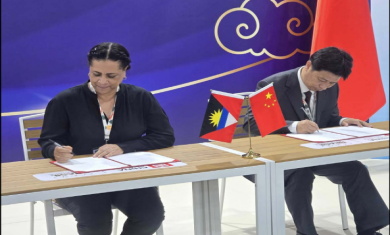
In a significant move toward sustainable development, Antigua and Barbuda has inked a landmark agreement with China to enhance its renewable energy infrastructure. The deal, signed during the 30th Conference of the Parties (COP30) to the United Nations Framework Convention on Climate Change (UNFCCC) in Belém, Brazil, includes the provision of 1,500 solar-powered street lights and 200 residential photovoltaic (PV) and energy storage system (ESS) units. Ambassador Diann Black-Layne, Director of the Department of Environment, represented Antigua and Barbuda in signing the Memorandum of Understanding (MoU) with China’s Ministry of Ecology and Environment. This initiative marks a pivotal step in the Caribbean nation’s renewable energy transition, aligning with its broader goals of reducing greenhouse gas emissions, improving energy efficiency, and bolstering climate resilience. The solar street lights are expected to enhance public safety and visibility in communities while reducing reliance on fossil fuels and lowering electricity costs for local authorities. Meanwhile, the residential PV and ESS systems will empower households to generate and store clean energy, fostering energy independence and ensuring stability during power outages caused by extreme weather events. Ambassador Black-Layne emphasized that this partnership highlights the importance of international collaboration in tackling the global climate crisis and reflects China’s ongoing commitment to supporting small island developing states (SIDS) in achieving their sustainable development and energy transition objectives.