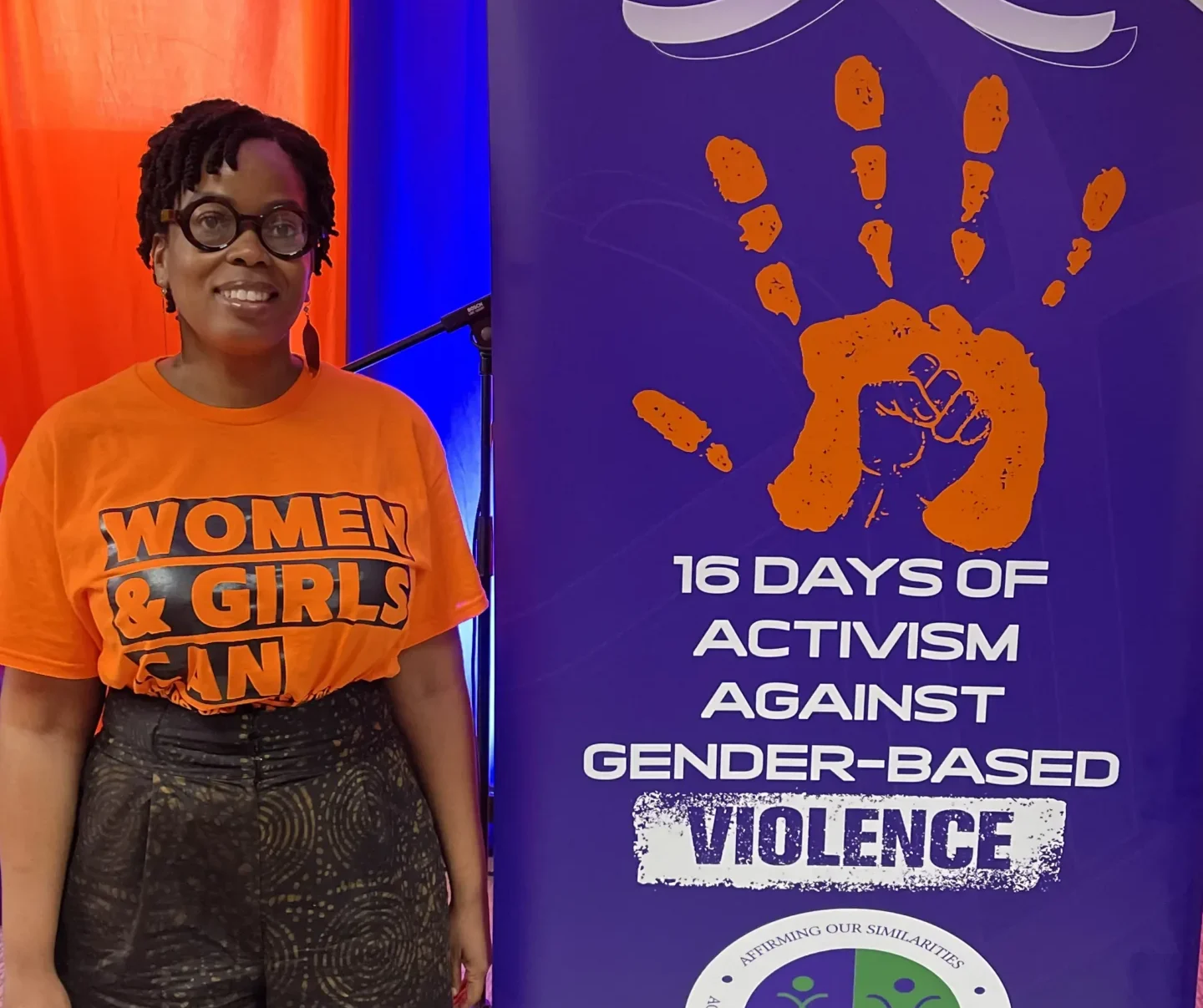
During the official kickoff of Barbados’ annual 16 Days of Activism Against Gender-Based Violence at the Warrens Office Complex in St Michael on Wednesday, a coalition of government officials, academic leaders and civil society advocates issued sweeping, targeted calls to address systemic gaps in support for survivors of abuse. Chaired under the core theme “Ensure Justice, Protect Survivors, and End Impunity”, the event brought together Minister of People Empowerment Adrian Forde, Dr Tonya Haynes of the University of the West Indies’ Institute for Gender and Development Studies Nita Barrow Unit, and National Organisation of Women (NOW) president Melissa Savoury-Gittens to outline immediate and long-term priorities for combating all forms of gender-based harm. A central, unifying demand put forward by Dr Haynes was for sitting Police Commissioner Sonia Boyce to release fully up-to-date, disaggregated public data on reported cases of rape, child sexual abuse, intimate partner violence, and targeted violence against women and girls. Dr Haynes noted that the most recent publicly shared figures, released by then-Commissioner Richard Boyce in March 2024, documented a 21% year-over-year rise in domestic violence reports, with assault and wounding cases making up 55% of all logged incidents, totaling 572 individual reports. However, advocacy groups have long argued these official numbers drastically undercount actual cases, pointing to local crisis hotline data that shows call volumes for support spiked as much as 30% over the same monitoring period. Dr Haynes emphasized that the vast majority of gender-based violence incidents never reach formal police reporting systems, requiring coordinated, cross-sector action from families, schools, community groups, government agencies and civil society to close gaps in response. She also highlighted ongoing work from her institute, including mentorship programs for residents of Government Industrial Schools and a formal partnership with the national Bureau of Gender Affairs to build institutional capacity for gender-responsive policy across government ministries. For his part, Minister Forde sought to dismantle long-standing cultural stigma that frames gender-based violence as an exclusively women’s issue, explicitly urging male survivors of abuse to break their silence and come forward to access support and report their experiences. “Men can be equally abused,” Forde stated, framing the conversation around male survivor support as a key marker of national maturity. He outlined the government’s formal zero-tolerance stance on all forms of gender-based harm, spanning domestic abuse, elder mistreatment, child sexual exploitation and human trafficking, and committed to building a legal system that serves survivors with fairness, urgency and compassion. Forde also noted that the newly launched national Social Empowerment Agency would be leveraged to strengthen family support frameworks, while dedicated counselling and skills training programs would remain available to help survivors rebuild independent, stable lives after experiencing harm. Savoury-Gittens of NOW turned the event’s focus to the persistent harms of systemic judicial delay, noting that repeated, unplanned court postponements compound the trauma survivors already face. She explained that survivors often expend significant emotional energy arranging childcare, taking unpaid leave from work, and mentally preparing to revisit traumatic experiences, only to have their cases rescheduled without warning or consistent updates. “Justice delayed is justice denied,” she stressed, calling for court administrators to provide consistent, regular communications to survivors throughout legal proceedings and wrap-around support to mitigate the practical and financial burdens of navigating the system. She also expanded the scope of the conversation beyond domestic violence to highlight underrecognized forms of gender-based harm, including unaddressed workplace sexual harassment and the non-consensual sharing of intimate digital images. Savoury-Gittens further warned against the common cultural practice of dismissing abuse allegations solely due to the accused individual’s positive community reputation or social standing. The 16 Days of Activism campaign, which runs through December 10’s International Human Rights Day, will incorporate observances of International Women’s Human Rights Defenders Day, World AIDS Day, and the International Day of Persons with Disabilities, with a full schedule of community outreach events planned across the island. Forde confirmed that his ministry will collaborate with NOW, the Bureau of Gender Affairs, the Red Shoes Project, and a suite of local and international partners to roll out expanded public awareness campaigns and bolster frontline support services over the two-week period. Closing out the launch, Savoury-Gittens issued a collective call to action to all Barbadian residents, noting: “One person cannot do everything, but everyone can do one thing” to stand with survivors and push for tangible, lasting change.