A coalition of hospitality and retail operators in Barbados’ bustling St Lawrence Gap tourism corridor, alongside the Barbados Alliance to End Homelessness, is escalating urgent calls for immediate, targeted policy intervention to address a growing unhoused population crisis that is eroding public space access, disrupting the island’s $1.7 billion tourism sector, and imposing unsustainable extra costs on local business operations.
The push for action emerged during a multi-stakeholder roundtable held Wednesday at Hotel Le Roy, convened by the homelessness alliance and attended by cross-sector representatives from the Barbados Police Service (BPS), the island’s Psychiatric Hospital, the National Council on Substance Abuse (NCSA), the National Conservation Commission (NCC), and the Ministry of Tourism. The gathering follows a prior similar consultation the alliance hosted with business operators in nearby Oistins, as community frustration mounts over stalled progress on longstanding unhoused support gaps.
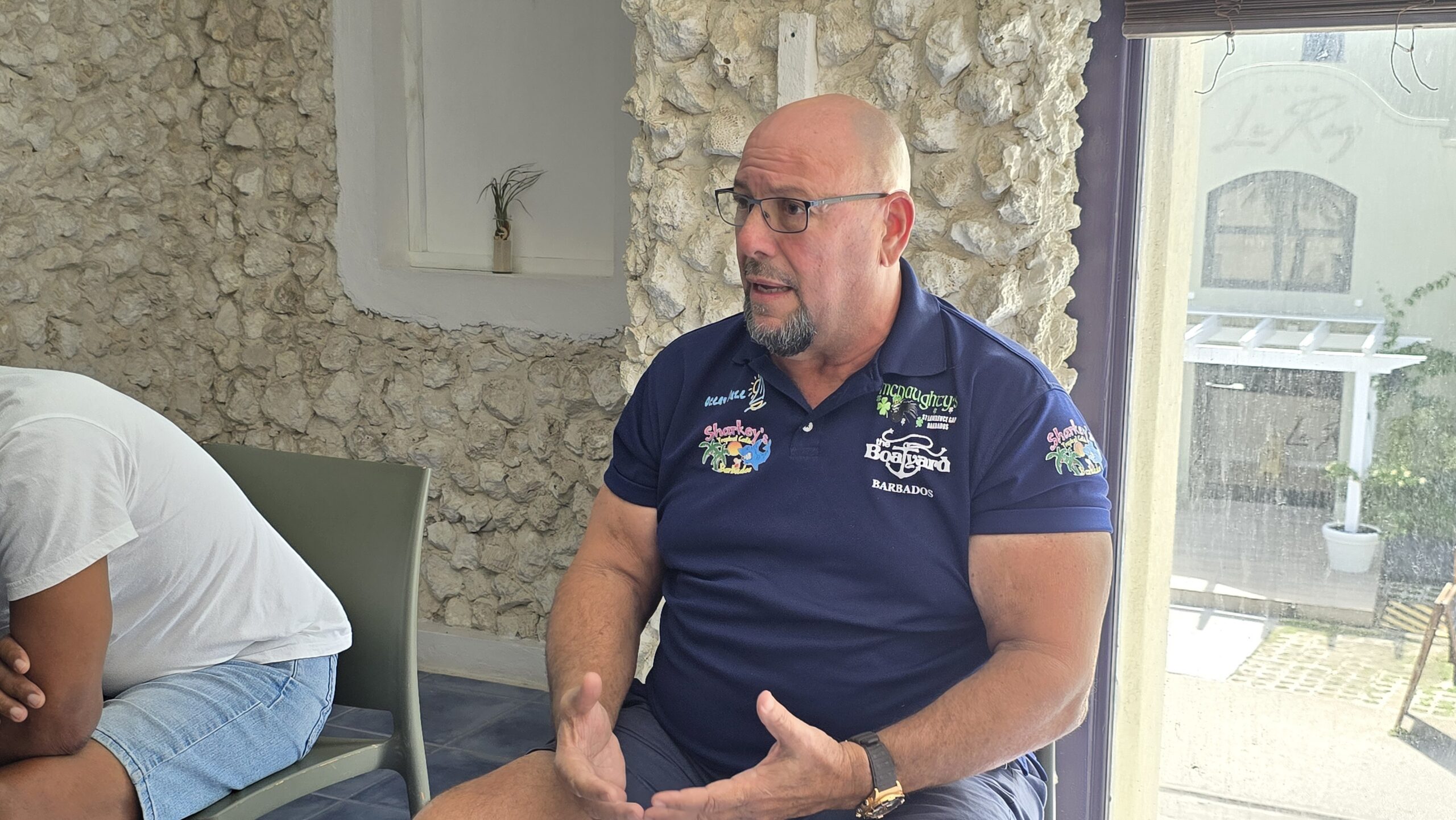
Leading the business community’s testimony was St Lawrence Gap venue owner Sean DeFreitas, who emphasized that the crisis carries outsized stakes for a small island economy where tourism accounts for nearly 40% of national GDP. DeFreitas told attendees that substance use disorders among the unhoused population have surged dramatically over the past five years, pushing past isolated mental health challenges to become the dominant public safety and quality of life concern for the district. “This is not primarily a mental health crisis for the majority of the people we see on the streets daily; this is an addiction crisis rooted in unaddressed substance dependency,” he stated. He also flagged widespread public confusion over inconsistent enforcement of existing public cannabis use rules, noting that visitors routinely witness open consumption by unhoused individuals in full view of uniformed officers, only to be informed the activity is illegal when they attempt to partake themselves. While DeFreitas rejected calls for custodial sentences for minor cannabis possession, he argued that consistent, graduated penalties starting with formal warnings would eliminate the double standard that is eroding tourist trust in local law and order.
Other local operators outlined cascading harms to shared public infrastructure, reporting that unhoused individuals are increasingly loitering at bus stop benches, rummaging through public waste bins, and leaving discarded debris that blocks access for local residents, schoolchildren, and commuters during peak morning travel hours. DeFreitas also disclosed that his single mid-sized venue now spends $30,000 per month on dedicated 24/7 private security to fend off street-level drug peddling and trespassing, a cost he said most small local operators cannot sustain long term. “We are ready to contribute financially and lend our collective voice to craft workable solutions, but we are deeply disheartened that we have seen no tangible progress for years,” he told the assembled agency representatives. “We cannot continue absorbing these costs indefinitely while our tourism reputation is at risk.”
Barbados Alliance to End Homelessness president Kemar Saffrey echoed the business community’s demands, sharing dozens of submitted video clips showing unhoused individuals verbally harassing both business staff and visiting tourists, and loitering directly in front of venue entrances to block customer access. Saffrey emphasized that the alliance already runs existing shelter, rehabilitation, and community reintegration programs, but that a large subset of chronically unhoused people require long-term, specialized care that short-term psychiatric hospital placements are not designed to deliver. He warned that current support systems trap many unhoused people in a revolving cycle: they receive temporary treatment, are released back to the same under-resourced communities, and quickly end up back on the streets with no ongoing support. “We do not need a policy framework drafted 10 years from now. We need actionable, enforceable legislation today that mandates appropriate, sustained care for people who cannot independently care for themselves, or who pose a risk of harm to themselves or members of the public,” Saffrey said. He clarified that the alliance’s core mandate is to advocate for the rights of unhoused people against mistreatment, while also ensuring the unhoused population is not left unsupervised to disrupt local communities.
Representatives from the Barbados Police Service clarified during the meeting that officers lack legal authority to arbitrarily remove individuals from public spaces solely on the basis of their unhoused status or perceived nuisance behavior, and that all interventions must be rooted in formal legal statutes, while involuntary admission to the Psychiatric Hospital is strictly bound to independent clinical assessment requirements.
Saffrey also outlined new upcoming initiatives the alliance will roll out in 2025 to supplement government services, including a 24/7 mobile outreach team that will patrol communities across the island to connect unhoused people with medication access, housing referrals, and care coordination, in close partnership with the Psychiatric Hospital and community mental health nursing teams. The alliance will also co-develop a targeted neighborhood action plan for the St Lawrence Gap and nearby Dover districts in partnership with all relevant government agencies to address the immediate localized harms of the crisis.
Gap businesses sound homelessness alarm