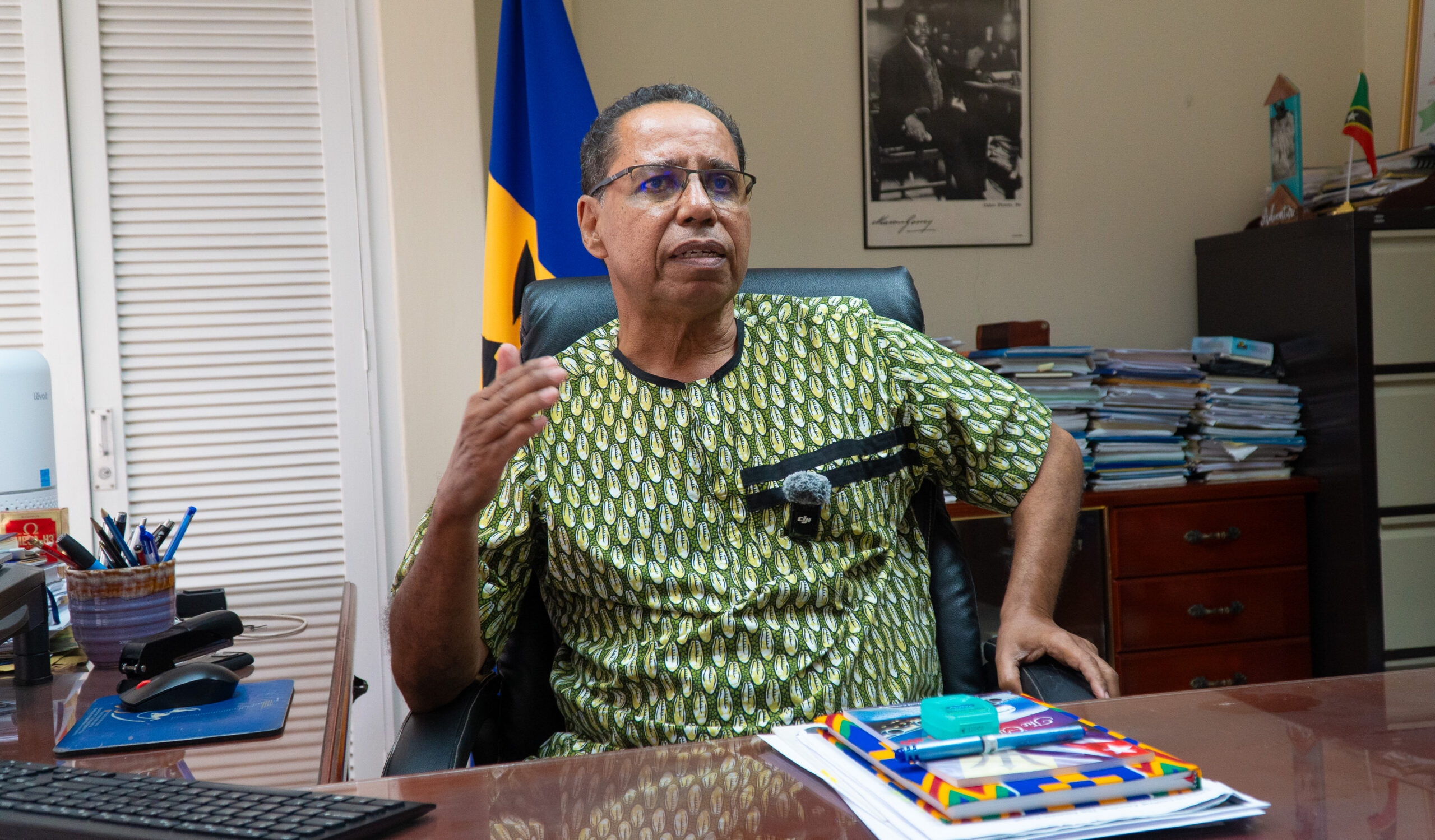
In a landmark address unpacking long-overlooked chapters of Barbadian social history, David Comissiong, Barbados’ accredited ambassador to CARICOM, distinguished author and long-time social activist, has pushed back firmly against a widespread domestic myth that Barbadians are not a historically migratory people. Speaking to community stakeholders and local history advocates, the envoy framed large-scale outward migration as one of the most defining, undercelebrated threads running through the island’s entire post-emancipation timeline, directly contradicting the pervasive modern local narrative that frames Barbados as a passive recipient of migrant populations rather than a historic source of global diaspora impact.
Comissiong traced the origins of mass Bajan outward movement directly to the harsh socioeconomic realities that gripped the island in the decades following the abolition of chattel slavery. A cripplingly high population density, near-total exclusion of formerly enslaved Black communities from access to arable land, and an economic system almost entirely monopolized by exploitative sugar plantation operations left the vast majority of working-class Bajans with virtually no viable pathways to upward mobility on their home soil. “That system was engineered to keep the masses of Black Barbadians trapped in cycles of exploitation and unremitting hardship, so it is no surprise that hundreds of thousands chose to seek out more promising opportunities beyond the island’s shores,” Comissiong explained.
Drawing on rigorous research from leading Barbadian historian Professor Winston James, the ambassador cited data confirming that an estimated 140,000 Bajans left the island between 1860 and 1920 alone, with over 100,000 of that cohort establishing permanent residence in foreign nations. These migrants carried with them specialized technical and agricultural skills honed over generations working in Barbados’ sugar sector, settling in large, cohesive communities across Guyana, Trinidad, Panama, Cuba, Venezuela, Colombia, Brazil, and far beyond. Comissiong emphasized that traces of Bajan cultural and societal influence can be identified in nearly every sovereign Caribbean territory, as well as across broader swathes of the Americas and West Africa.
The ambassador highlighted particularly striking examples of diaspora impact, including a group of Barbadian migrants who arrived in Liberia in 1865. Their descendants went on to shape Liberia’s entire governing and social fabric, producing three national presidents, dozens of high court judges, cabinet secretaries, leading educators and industry pioneers across every major professional field. He also noted that Barbados’ longstanding, world-renowned emphasis on accessible, high-quality public education equipped generations of migrants to rise to senior leadership roles in public service, global business, academia and the professions in their adopted home countries.
Comissiong noted that the historic push factors driving mass outward migration began to ease following the 1937 Barbados labour uprising, which spurred sweeping social, economic and political reforms that dramatically improved domestic living standards and expanded local opportunity for working-class Bajans. Even so, migratory flows remained steady through much of the 20th century. The envoy closed his remarks by urging Barbadians to fully embrace their global diaspora heritage, arguing that the extraordinary contributions of Bajans across every inhabited continent should be formally recognized as a core, celebrated component of national identity. “Too many of us have bought into the false idea that migration is something that happens to Barbados, not something that Barbadians have led and shaped around the world,” he said. “Your national heritage does not stop at our island’s coastline – you traveled the globe, and you left indelible, positive marks on every society you joined.”