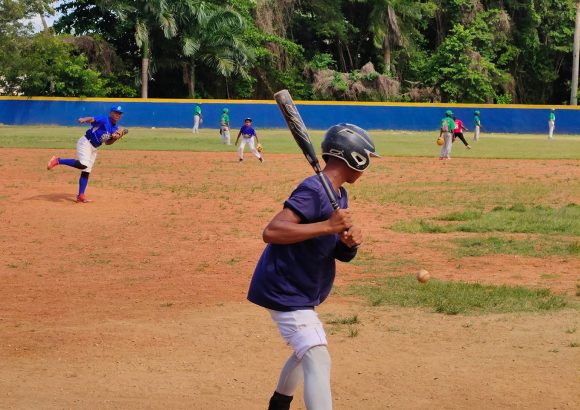
SANTO DOMINGO – For generations of Dominican households, baseball has never been merely a beloved national leisure activity: it is framed as the most viable, often the only, pathway out of intergenerational poverty for tens of thousands of working-class families. The glittering promise of a seven-figure signing bonus from a U.S. Major League Baseball franchise has long motivated young athletes to dedicate every waking hour to honing their skills on dusty local diamonds, but a wave of recent cross-border investigative reports has pulled back the curtain on a horrific, underregulated exploitation network that is systematically endangering the lives of the country’s most vulnerable youth prospects. A November 2026 deep-dive investigation from German public broadcaster ARD, corroborated by subsequent local on-the-ground reporting, has laid bare the widespread, unethical practice of administering banned performance-enhancing substances to children as young as 8 years old, all in the pursuit of faster, more profitable MLB signings.
At the center of this predatory ecosystem are unlicensed independent talent scouts and trainers known locally as buscones, who operate largely outside formal regulatory oversight. These actors routinely administer unprescribed anabolic steroids and synthetic growth hormones to pre-teen and teenage athletes, with the explicit goal of artificially spurring their physical maturation far beyond natural developmental timelines. The artificially inflated strength, speed, and hitting power produced by these drugs make young prospects far more attractive to traveling MLB scouts, who often prioritize raw physicality over long-term athletic potential when evaluating international amateur talent. Since buscones typically secure 30 to 50 percent of any signing bonus their prospects earn, they have overwhelming financial incentive to prioritize short-term athletic gains over the lifelong health of the minors in their care.
Widespread, unregulated access to these dangerous performance enhancers has allowed the crisis to spiral largely unchallenged for years. Banned hormonal preparations are sold cheaply on informal black markets across the country, and many unvetted local pharmacies even offer them over the counter without a doctor’s prescription – including veterinary-grade anabolic steroids formulated for racehorses, such as boldenone, that are never intended for human consumption. To avoid detection during the mandatory pre-signing MLB drug screening process, handlers also force teenage prospects to undergo unregulated, unsanitary intravenous “cleansing” treatments in the days leading up to testing, infusing unregulated concoctions of unknown substances into their veins in a high-risk attempt to flush traces of banned compounds out of their bloodstream.
The human toll of this unethical system has already reached catastrophic levels, with countless young athletes suffering permanent, life-altering harm long before they ever step onto a professional baseball field. Administering powerful hormonal substances to children during critical developmental stages causes irreversible damage to still-growing organs, triggering chronic heart conditions, acute renal failure, and lifelong disabilities. One widely documented case featured in recent investigative coverage follows 17-year-old prospect Joel Ortiz, who suffered total kidney failure just weeks before he was scheduled to report to a prestigious MLB academy, leaving him permanently dependent on regular dialysis treatments for the rest of his life. Local youth sports advocates and former industry insiders also warn that dozens of unreported sudden deaths among teen baseball prospects occur every year, most of which are deliberately covered up by handlers and local medical networks and misreported to grieving families as unforeseen natural heart attacks.
In response to growing public outcry and mounting international scrutiny, the Dominican government rolled out sweeping new regulatory measures in 2027, including the landmark Decree 601-26, which establishes formal oversight for all youth baseball training programs across the country. The new legal framework imposes criminal sentences of up to 20 years in prison and substantial financial fines for any individual found guilty of administering performance-enhancing substances to minor athletes, or of coercing minors to undergo unregulated drug treatments to boost their athletic performance.
Even with these new legal protections in place, dismantling the decades-old predatory network remains an uphill battle. Criminal groups tied to the illegal performance-enhancing drug trade have launched widespread campaigns of intimidation to silence potential whistleblowers, making local residents and even medical staff reluctant to report suspicious activity to authorities. Meanwhile, a long-proposed MLB international amateur draft reform, designed to reduce the unchecked power of unlicensed buscones and standardize youth prospect signings, has remained stalled for years due to lingering collective bargaining disputes between league ownership and the MLB Players Association. For the Dominican Republic’s next generation of baseball talent, closing these regulatory gaps will require coordinated, sustained collaboration between national authorities, MLB leadership, local sports academies, and family communities to ensure the dream of a major league career no longer comes at the cost of a child’s health, or their life.