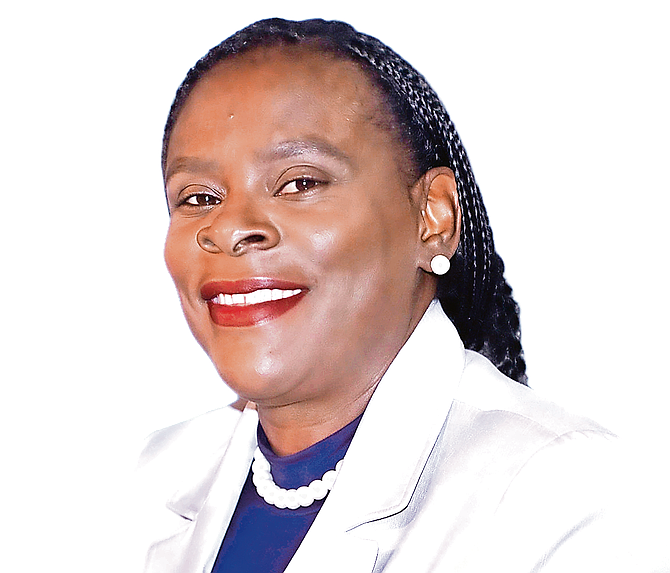
NASSAU, Bahamas – Muriel Lightbourn, sitting president of the Bahamas Nurses Union, has successfully secured re-election to a second three-year term, defeating four competing challengers in a court-mandated November 6 vote that capped 18 months of bitter internal infighting, just weeks after a Supreme Court judge ruled she had acted unlawfully when suspending two senior union executives. Certified results from the country’s Registrar of Trade Unions confirm Lightbourn garnered 345 votes, falling short of a majority as her four opponents split the remaining 452 ballots across the 797 total votes cast. Maria Mackey-Smith, representing the “The Force” slate, took 214 votes, followed by Shanique Mackey of Team Rise with 165, Jenelen Webster-Rolle of the Nurses Empowered Alliance with 61, and independent candidate Nickela Williams with 12. The multi-candidate opposition field, split across five distinct campaign slates, diluted anti-incumbent support, a dynamic Mackey explicitly noted in post-election remarks. The contested leadership battle traces back to April 2023, when Lightbourn unilaterally suspended Secretary General Shavone Brennen and First Vice-President Sheniqua Cox, citing alleged violations of the union’s governing constitution. In response, a faction of union executives claimed Lightbourn had forfeited her membership status for failing to pay required dues, accused her administration of pervasive lack of financial transparency, and changed the locks on the union’s Nassau headquarters, escalating the dispute to the Supreme Court. In her October ruling, Justice Camille Darville-Gomez rejected the executives’ bid to oust Lightbourn over the dues allegation, but struck down the suspensions of Brennen and Cox as unlawful, finding the two senior leaders had been removed without any formal investigation, due process hearing, or opportunity to respond to the claims against them. The judge described the sequence of events as a “serious breakdown” in the union’s internal governance, noting that “the financial members of the union deserve far better,” and ordered a full leadership election to be completed no later than November 13. Moments before casting her own ballot on election day, Lightbourn publicly displayed a stack of payment receipts to refute the longstanding allegations of unpaid dues, expressing confidence her “Power Team” slate would prevail. She later characterized the court’s ruling against the suspensions as a minor procedural technicality, rather than a rebuke of her leadership. Outlining her priorities for the upcoming term, Lightbourn emphasized the urgent need to revise the union’s constitution to prevent future costly, avoidable legal disputes between members and leadership, and called for a collective shift in mindset among rank-and-file nurses to respect the authority of elected union representatives regardless of their individual clinical rank. She also pledged to accelerate long-stalled negotiations to finalize and sign a new industrial agreement for the union’s thousands of members. Rank-and-file nurses who spoke to local outlet The Tribune on election day painted a grim picture of working conditions across the public health system, describing widespread understaffing, scarce medical supplies, crumbling infrastructure at remote Family Island clinics, inconsistent utility service, chronic underpayment, and unsustainable workloads. A 10-year veteran nurse who has worked across multiple island clinics noted that frontline care delivery is severely compromised by the lack of basic resources, leaving staff unable to deliver the standard of care patients deserve. The election process was not without minor hiccups: polling volunteers initially struggled to manually cross-reference voters against paper membership rosters, leading to lengthy delays that were only resolved when clearer, more legible copies of the eligible voter lists were distributed. Defeated candidates across the opposition slates outlined shared priorities for the union, including demands for improved wage scales, standardized nurse-to-patient ratios, formal workplace risk allowances, transparent promotion pathways, and equal access to professional development resources for nurses working in both New Providence and the remote Family Islands. Multiple opposition representatives highlighted that the union had been mired in costly legal battles for nearly two years, leaving members without consistent, effective advocacy at a time when public healthcare system strains are at a breaking point. They emphasized that widespread demands for greater leadership accountability and financial transparency remained unaddressed, with many members reporting plummeting workplace morale and a persistent sense of disengagement. Candidate Williams also put forward a longstanding proposal for the union to purchase its own permanent headquarters, ending more than a decade of costly rental arrangements. Lightbourn, who first assumed the union presidency in January 2023 after succeeding former leader Amancha Williams, has blamed the nearly year-long delay in this scheduled election on former election committee chair Brennen, alleging she deliberately failed to submit the membership-approved election timeline to the Registrar of Trade Unions to obstruct the democratic process.