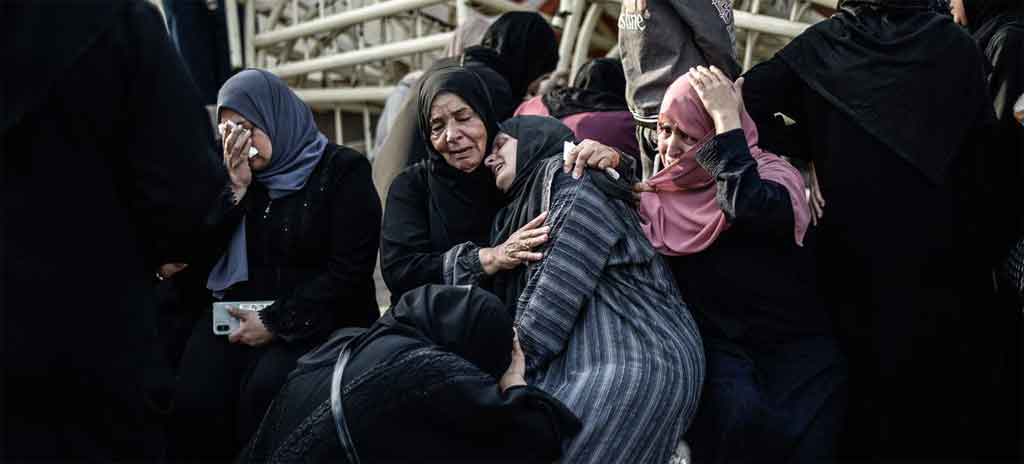
A Gaza-based government ministry has formally characterized the unfolding on-the-ground situation as a full-blown humanitarian catastrophe, with women — especially widows and those serving as sole heads of households — bearing the brunt of cascading, life-threatening challenges. For these vulnerable groups, securing dry, structurally sound, and safe shelter to shield their children from harsh winter conditions has become an almost insurmountable hurdle. Critical life-sustaining supplies are running dangerously low across the territory: the widespread scarcity of blankets, insulated winter apparel, dry bedding mattresses, staple food rations, infant formula, and essential medical medications has drastically amplified the exposure of at-risk families to preventable illness, hypothermia, and hunger. Official data released by the ministry paints a stark portrait of the crisis’s disproportionate impact on women: the Gaza Strip is now home to 64,413 widows in total, 28,224 of whom lost their husbands in the ongoing armed conflict. The total number of households run exclusively by women has surged to 86,290, and approximately 702,000 women and girls are currently grappling with acute, life-threatening food insecurity. Compounding these strains, 258,927 displaced families are still residing across 2,090 makeshift collective shelters scattered throughout the territory, where residents are left unprotected from seasonal rainfall, sudden flash flooding, and plummeting winter temperatures. Against this alarming backdrop, the ministry has issued an urgent, formal call to international governing bodies and humanitarian aid agencies to mobilize immediate, targeted relief shipments, prioritizing waterproof tents, heat-retaining insulating tarps, thick thermal blankets, and weather-appropriate winter clothing to prevent further avoidable harm to displaced communities.