In mid-September 2026, Patrick Norzéus, Director General of Haiti’s Maritime and Navigation Service (SEMANAH), launched a multi-day working inspection tour across Haiti’s northern and northeastern departments, with three core goals: boosting the regulatory body’s operational capacity, strengthening partnerships with local government and industry stakeholders, and upgrading service delivery and performance across all maritime sectors under SEMANAH’s oversight.
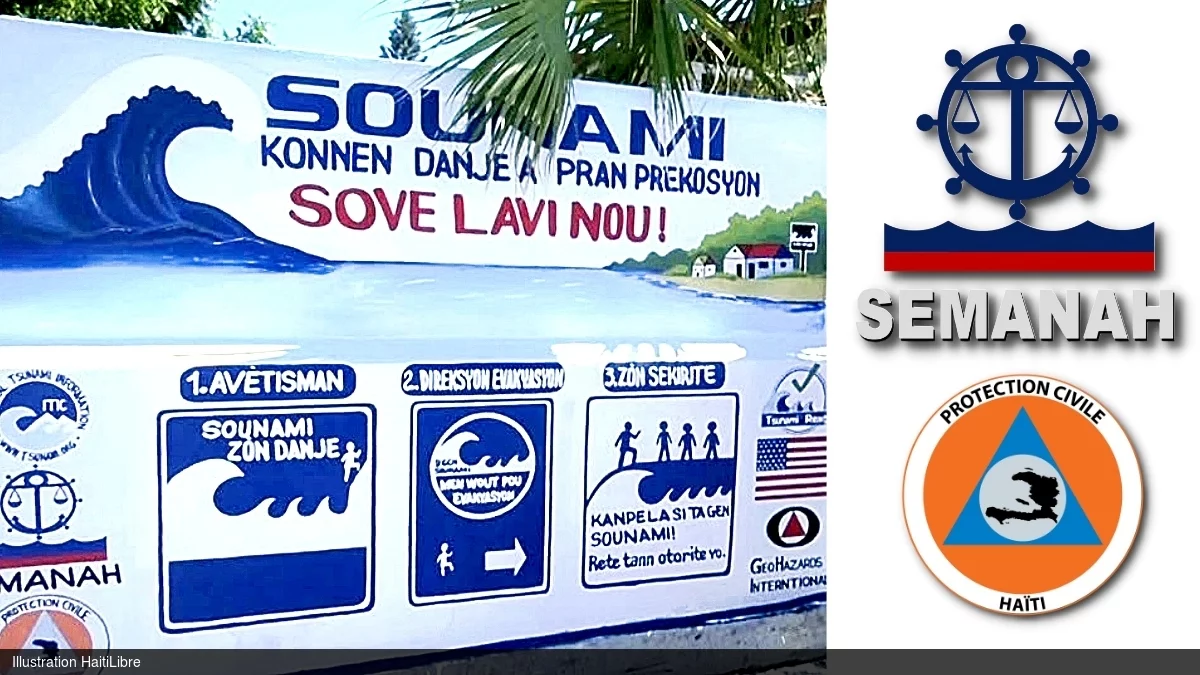
The tour’s most urgent public safety initiative unfolded in Fort-Liberté, a coastal city in the Northeast that has earned international designation as a “Tsunami Ready” community. Working alongside local civil authorities, SEMANAH completed the reinstallation of 41 tsunami warning signs across high-risk coastal zones. Beyond physical installation, the project is designed to educate local residents on what each marker indicates, how to protect the infrastructure from damage, and what life-saving steps to take when a tsunami alert is issued—most critically, fast evacuation from low-lying hazard zones to pre-designated safe assembly points.
Norzéus stressed the foundational role of maritime resources in Haiti’s emerging green economy and their broader contribution to national GDP. He noted that the country’s major port infrastructure remains a backbone of national economic activity, even amid the persistent security and development challenges that have hampered progress in Haiti’s far northern regions. He also highlighted ongoing port expansion and new construction projects currently under evaluation by domestic and international economic investors, signaling growing momentum for regional maritime development.
Reinforcing the importance of the new warning signage, Norzéus urged local residents to care for the installed markers, reminding the public that the signs clearly mark evacuation routes and are a critical line of defense to save lives when a natural disaster strikes. Joanis Fleury, Departmental Director of Civil Protection for the Northeast, committed to ongoing public outreach campaigns to reinforce this knowledge, ensuring residents understand the purpose of the signs, how to interpret them, and the correct actions to evacuate safely if an earthquake or tsunami is triggered.
To put this preparedness into practice, SEMANAH partnered with Haiti’s Civil Protection Directorate, GeoHazards International, and Fort-Liberté municipal authorities to host a full tsunami warning evacuation drill along one of the newly signed routes. The simulation gave local residents hands-on practice navigating the signage network and following marked routes to safe assembly points, with the goal of cutting evacuation response times and building confidence among the population ahead of any real emergency.
Moving into Haiti’s North Department, Norzéus next inspected facilities at the port managed by the National Port Authority (APN). During the visit, he prioritized addressing a long-standing navigational hazard: a shipwreck that has created major difficulties for coastal vessels attempting to dock at the facility. Norzéus pledged to coordinate with relevant agencies to develop a viable solution to remove the wreck and restore safe docking operations. He also announced plans to expand support for the Haitian Coast Guard, to strengthen and expand their operational presence across northern maritime waters.
Norzéus’ tour continued with stops at the Caracol coastal shipping zone and multiple port sites earmarked for new construction by private investors, allowing him to assess on-the-ground conditions for upcoming development projects. At the Labadee coastal shipping port—home to a local fleet of roughly 80 commercial vessels—he held working meetings with SEMANAH’s local representative and the leadership of the regional Seamen’s Union. The talks centered on pressing challenges facing maritime workers in the area, reviewing existing emergency response protocols, and mapping out opportunities for closer collaboration between SEMANAH and local maritime industry stakeholders.
During the meeting, the Seamen’s Union president submitted a formal request for the distribution of life jackets to vessel captains and crew members. In response, Norzéus clarified that the direct provision of life jackets does not fall within SEMANAH’s official mandate. Even so, he reaffirmed the institution’s unwavering commitment to advancing maritime safety and protecting the lives and property of everyone working in Haiti’s maritime sector. To that end, he announced SEMANAH would facilitate new partnerships with relevant stakeholders to address the need for standardized safety equipment, and pledged to provide an initial batch of life jackets to local sailors in the immediate term.