After a three-year pause in dedicated water polo development activities, Barbados is set to relaunch a structured youth-focused water polo initiative this September, aiming to rebuild the island nation’s historic aquatic sport from the grassroots level up. Centered on engaging children and early teenagers between the ages of 5 and 14, the collaborative effort brings together the country’s Ministry of Youth, Sports and Community Empowerment and the Barbados Aquatic Sports Association (BASA) to build a sustainable foundation for the sport’s long-term growth.
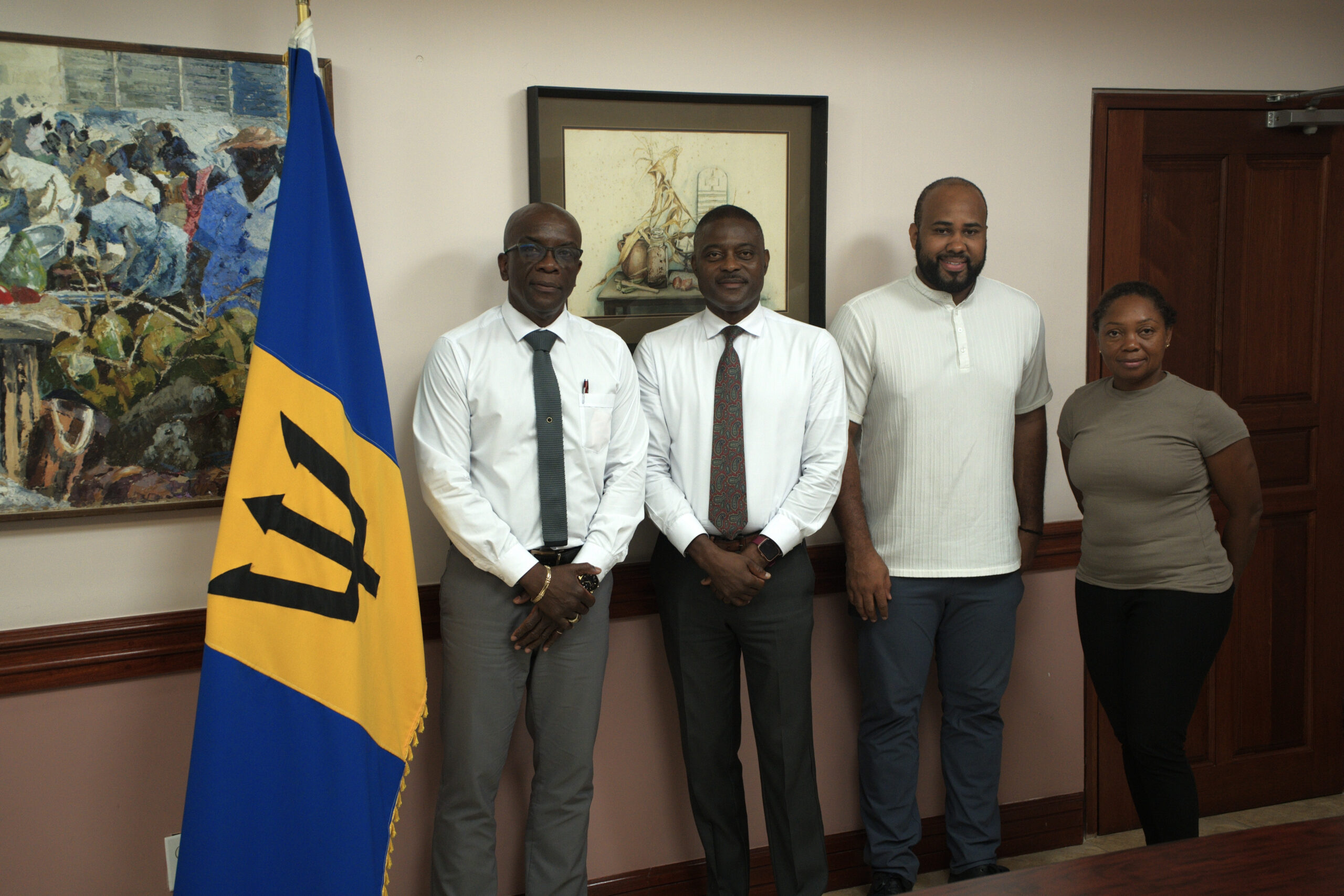
The revival plan was finalized during a recent strategic meeting held at the ministry’s headquarters, attended by Sports Minister Charles Griffith, BASA Vice-President and former national water polo head coach Senator Ryan Forde, and former BASA president Cheryl Lady Forde. According to the agreed roadmap, the programme will roll out first in primary and secondary schools across the country, before expanding access to community groups to reach a broader pool of young participants. Open to both boys and girls, the initiative is scheduled to launch in the final weeks of September.
Funding for essential sporting equipment has already been secured, with BASA raising a total of $27,000 to kickstart the project. The Rise and Reign Foundation contributed a $25,000 grant, while former Barbadian water polo players added an additional $2,000 to the pool. The equipment is currently going through customs clearance, and once processed, it will be transferred to the National Sports Council for use in school programmes and future development training camps.
Minister Griffith emphasized that the initiative is far more than a simple restart of paused activities. Instead, the core goal is to establish a permanent, structured framework that can support consistent water polo development for generations of young Barbadians. “It has been three years since we had a dedicated water polo-focused aquatics programme, so this effort from BASA to restart this work is incredibly welcome,” Griffith noted. “We are starting in schools first, then expanding to communities, and the government stands fully ready to provide whatever support is needed to make this a success.”
Several secondary schools have already been selected to participate in the initial phase of the programme, and independent participants who wish to join can register through either BASA or the Ministry of Youth, Sports and Community Empowerment. Griffith explained that participation numbers and feedback from the first phase will shape the programme’s future, with the ultimate goal of establishing water polo as a permanent, budgeted sport in Barbados’ youth athletic ecosystem. “This is first and foremost a developmental programme,” he said. “We will launch it, assess how it progresses with the young people involved, and work to embed it as a structured perennial programme that gives consistent opportunities for our youngsters.”
For Forde, the revival also represents a long-overdue chance to expand aquatic access for young Barbadians beyond competitive swimming, introducing them to a new recreational and competitive sport that shares similarities with football, but played entirely in the water. “This is really exciting because it opens up new types of aquatic experiences for young people across the island,” he explained. “Our approach is to teach swimming first, build critical water safety skills, and then introduce them to water polo as the next step. We haven’t had a structured school-based water polo programme in decades – not since I was a child, 20 to 30 years ago. Today, every child deserves multiple athletic opportunities, and this delivers that. More options for young people can only be a good thing as we move forward.”
Forde also highlighted Barbados’ deep-rooted history with water polo, recalling that the sport was widely played in Carlisle Bay as early as the 1930s through the 1950s, with organized teams representing local institutions including the national police, the army, and Harrison College. Past generations of Barbadian water polo players even built the island’s reputation as one of the strongest competitors in the Caribbean, regularly facing off against teams from North and Latin America. Rebuilding that level of competitive excellence will be a gradual process, Forde acknowledged, consistent with the programme’s developmental focus. “Any sport takes years to build back to a competitive level, and as the Minister said, we are starting with development first,” he noted.
Forde pointed to the teenage years as a critical developmental stage, where emerging players will need expanded access to competitive tournaments, regular training, and experienced mentorship to continue progressing. Down the line, Griffith added, the programme aims to create pathways to athletic scholarships for promising young players, allowing them to advance both their sporting careers and academic education at the same time.
As the programme centers on minor athletes, child safeguarding protocols have been integrated into every layer of the initiative as a non-negotiable standard. “For all coaches working with ministry programmes, safeguarding training is a mandatory requirement, because we need to ensure we follow the very best practices to protect young participants,” Griffith confirmed. “Safeguarding will be a core component of this water polo programme, just as it is for every youth athletic initiative we run.”