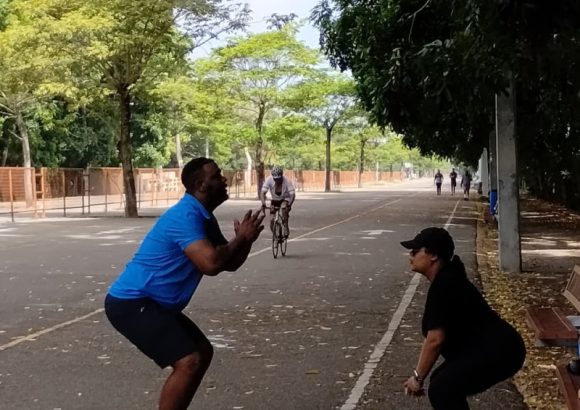
When the golden glow of sunset softens the Caribbean heat over Santiago, the second-largest city in the Dominican Republic shifts into a new, relaxed rhythm. The constant hum of traffic still beats beneath the city’s surface, but it is no longer the only sound defining urban life. Now, it mingles with the whir of bicycle tires, the soft scrape of roller skates on paved walkways, the steady thud of joggers’ shoes, and the warm, overlapping laughter of families gathering in open green spaces.
Long celebrated for its colonial history, vibrant Spanish-colonial architecture, world-renowned Creole gastronomy, and the iconic Monument to the Heroes of the Restoration, this city nicknamed the “Heart City” is cultivating a new, people-centered identity: a place where daily movement and community connection in public spaces have become core to urban life. Across the city, once-underused parks, tree-lined ecological corridors, and purpose-built recreational areas are no longer just routes to get from one place to another. They have evolved into daily meeting grounds that bring together generations, from toddlers learning to walk to retirees out for a leisurely stroll, all united by the shared goal of staying active while enjoying their city.
Central Park, widely regarded as Santiago’s premier hub for outdoor activity, is a perfect example of this shift. On any given afternoon or weekend, visitors can spot groups of walkers circling paved paths, joggers pushing through a training session, cyclists navigating gentle loops, skaters practicing new tricks, fitness enthusiasts completing functional workout routines, and families spread out on picnic blankets catching up after a busy week.
Just a few kilometers from the busy city center, the shaded trails winding along the banks of the Yaque del Norte River offer a quieter alternative. Framed by dense native vegetation and cooled by constant river breezes, these paths draw runners, cyclists, and casual walkers eager to escape the roar of downtown traffic and connect with natural scenery while completing their daily workouts. Even the city’s most iconic landmark, the Monument to the Heroes of the Restoration, has become a beloved fitness spot: its wide, sloping steps draw endurance trainers looking for a challenging stair workout, while the tree-dotted grounds surrounding the monument are perfect for gentle stretching and group activities. At the Professor Eugenio de Jesús Marcano Botanical Garden, visitors combine physical activity with nature engagement, wandering through curated plant collections as they get their daily steps in.
For local residents, these public spaces offer far more than just a place to break a sweat. They have become living community centers where new friendships take root, neighborhood bonds are strengthened, and long-term healthy habits are normalized across age groups.
One shining example of this community building is the free weekly outdoor yoga group that meets in Central Park. Organized via a WhatsApp community group, the gathering brings together yoga enthusiasts of all skill levels every Sunday morning, and the session is open to anyone who wants to join, no experience required. “There’s no registration, no membership fee – you just need to show up on the day to join the class,” explained Encamicarla Espinal, a young regular participant. “It’s such a welcoming way to start the weekend.”
The yoga group is far from the only organized community making use of the city’s public spaces. Local running clubs, cycling collectives, and roller skating groups all use social media to coordinate group training sessions, share lesser-known scenic routes, and welcome new residents and beginners to join their activities, turning solo exercise into a social event.
Every single afternoon, Santiago’s parks and riverside walkways bring together people from every walk of life: young professionals training for an upcoming marathon, office workers unwinding after a long day at their desks, parents chasing their toddlers around playgrounds, and retirees out for a gentle stroll to clear their heads. Enmanuel Mejía, a local father who brings his four-year-old son to Central Park regularly, summed up the appeal: “I love bringing him here. He gets to play in a safe, open space while I catch up on work or just take a minute to breathe. It works for both of us.”
In reimagining its public spaces as hubs for connection and wellness, Santiago has demonstrated that urban open areas can be far more than decorative greenery. They are foundational to community well-being, turning individual exercise into a shared experience that brings the city closer together.