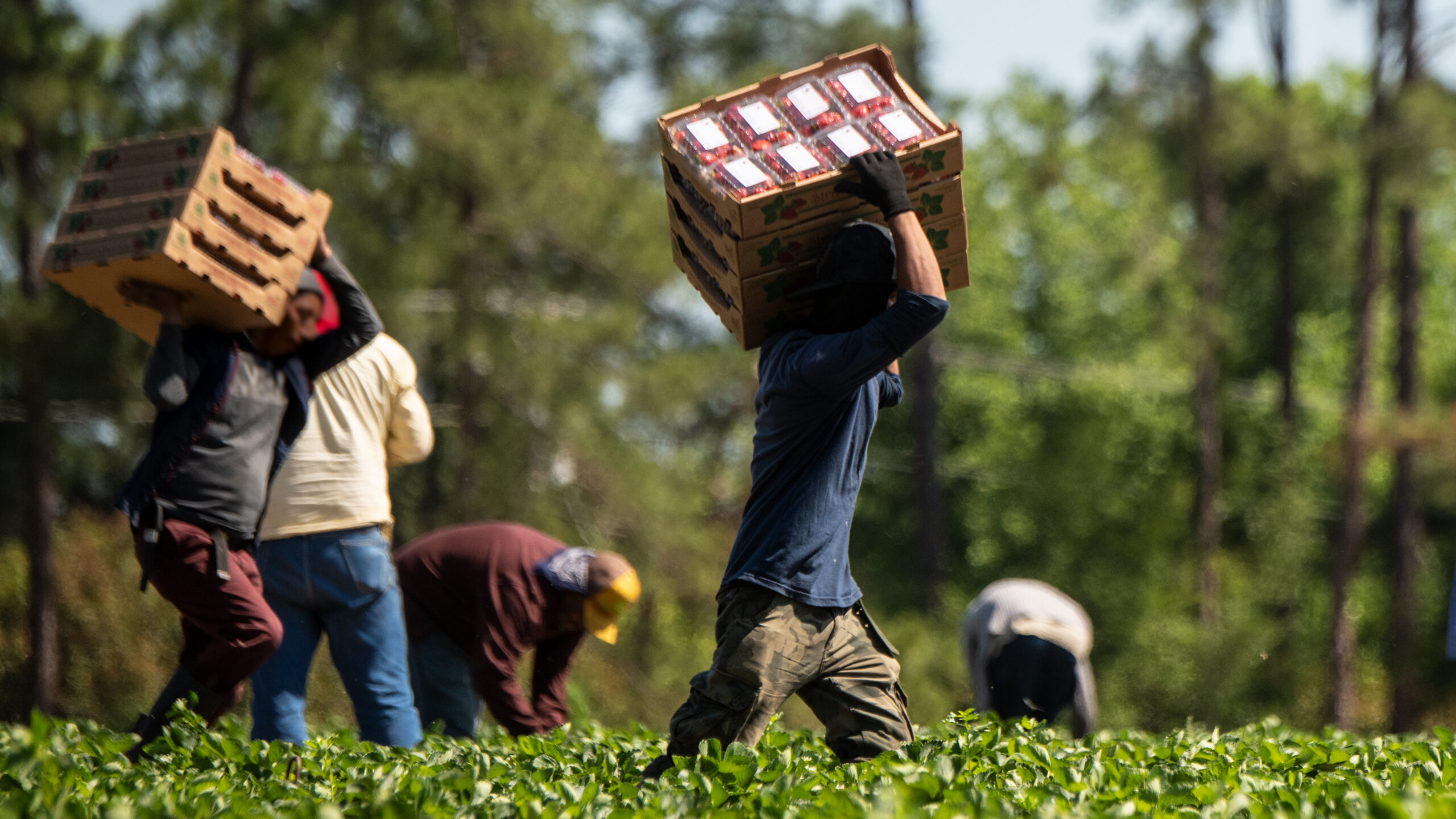
Migrant labour is one of the most pressing cross-cutting issues of our interconnected global economy, with every region across the world experiencing large-scale movement of workers seeking better economic and social opportunities. By standard definition, a migrant worker is an individual who leaves their home country to seek employment abroad, a categorization that clearly excludes the enslaved African people forcibly trafficked to Caribbean sugarcane plantations during the 17th century – a historical atrocity inflicted through coerced capture and trade, not voluntary movement for work.
Today, a troubling paradox haunts the global system of migrant recruitment: many employers disguise exploitative practices behind the veneer of formal contract work, routinely offering migrant workers lower wages than their local peers and forcing them into deplorable working conditions. Credible reports have documented widespread abuses: overcrowded, unsanitary living quarters, illegal confiscation of workers’ passports to restrict movement, and mandatory overtime without the additional compensation required by law.
Under international human rights norms, national governments bear ultimate responsibility for addressing these abuses. Through robust legislation, proactive monitoring, and strict enforcement of existing protections, states must guarantee that the fundamental human and labor rights of all workers – migrant and native-born alike – are not violated or eroded. The inherent dignity of migrant workers demands consistent respect, and can never be dismissed or trampled for the sake of corporate profit.
Migrant workers are inherently entitled to equal treatment to that extended to native-born workers. Any employer that withholds this right acts unconscionably and dishonestly. Bad actors that operate underground to exploit vulnerable migrant labor must be publicly exposed and held fully accountable under the law. These discriminatory, exploitative practices have no place in a fair global economy, and it remains unacceptable that they continue to occur with widespread impunity across multiple regions.
In fact, this systemic exploitation of contracted migrant workers is increasingly recognized as a modern form of slavery, impacting large workforces recruited from China, India, Latin America and the Caribbean. While these workers typically receive nominal wages and, outside of cases of explicit human trafficking, are not violently forced to migrate, deceptive recruitment practices are still rampant. As defined by anti-slavery advocates, modern slavery describes any situation where exploitation is enabled by coercion, intimidation, deception, or abuse of power, leaving victims with no ability to escape their circumstances. This includes forced labor, human trafficking, sexual exploitation, and debt bondage. Unlike the chattel slavery of previous centuries, modern slavery thrives in the legal and social gray areas of globalization, hidden behind the facade of legitimate, formal business operations.
According to Wiam Milles of the Elizabeth Heyrick Society, citing data from the International Labour Organization, more than 50 million people globally are currently trapped in situations of modern slavery. Wherever the core principles of decent work are breached, the global employment system stands guilty of systemic injustice. It is fundamentally unfair and wrong to deny migrant workers equal pay, restrict their freedom of movement, fail to provide safe working conditions, and block their right to organize and bargain collectively through trade union representation. This analysis was contributed by Dennis De Peiza, a labor and employment relations consultant at Regional Management Services Inc. (Disclaimer: The views expressed in this article are solely those of the author and do not necessarily represent the official editorial position of the publication.)