Barbados’ House of Assembly has approved a landmark piece of legislation that will transfer ownership of 224 state-constructed residential properties directly to long-term tenant families, marking the second major phase of a national initiative to turn decades of rental occupancy into full outright home ownership. This latest approval pushes the total number of properties transferred under the programme to 428 within just three months, dramatically accelerating a policy push designed to deliver tangible wealth to ordinary households across the country.
Officially titled the State Acquisition and Vesting of Property Number 2 Bill, the legislation paves the way for title transfers for homes spread across seven residential estates: Eden Lodge, Haynesville, Silver Hill, Deacons Farm, Bonnetts, Grazettes and Wotton. According to Housing Minister Chris Gibbs, this round of transfers will mark the first time residents in areas including Eden Lodge have received formal legal titles to the homes they have occupied for generations.
The first round of the current accelerated programme, concluded three months prior, transferred ownership of 204 state homes. Combined with this latest batch of 224, the government has moved more than 400 properties into private hands in a single quarter – a pace that Minister Gibbs says outstrips the slow progress of earlier policy efforts.
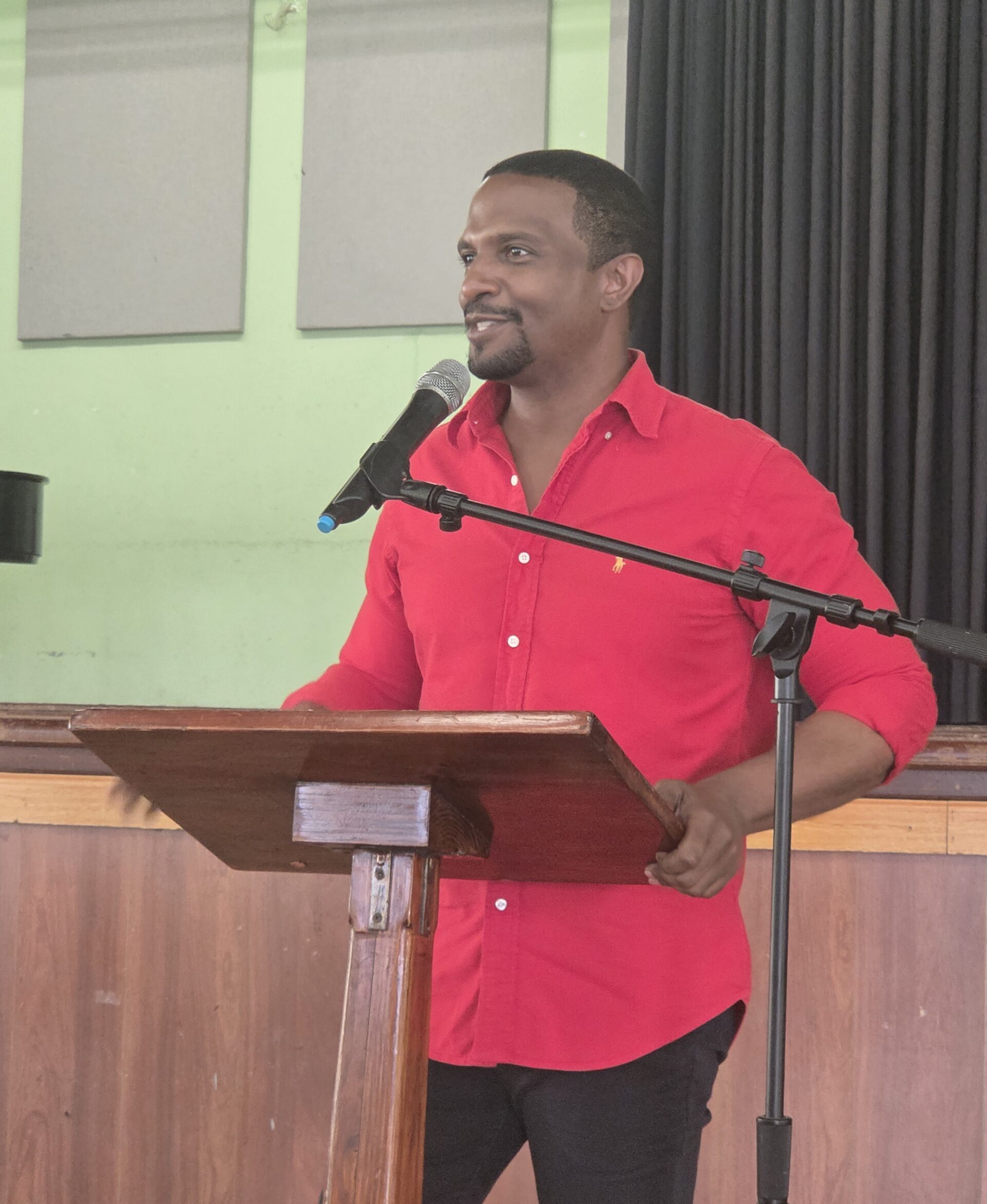
Minister Gibbs framed the new legislation as a cornerstone of the government’s commitment to advancing social equity and building lasting intergenerational wealth for Barbadian families. Unlike prior efforts that relied on slow, convoluted administrative processes, the current programme leverages existing constitutional powers to acquire the properties for public benefit and transfer titles directly to eligible residents, cutting through the bureaucratic red tape that delayed past initiatives.
“This reaffirms the government’s unwavering commitment to place property ownership into the hands of ordinary Barbadians,” Gibbs told the legislative chamber during debate. “Because of this government, housing policy does not end when we build a house. Housing policy is complete when a family owns its home.”
Gibbs drew a clear contrast between the current administration’s progress and the 2013 Tenanties Transfer of Terraced Units Act, which saw only 597 home transfers completed over the course of 12 years between 2013 and 2025. The current programme has nearly matched that 12-year total in just three months, a shift Gibbs calls a testament to the government’s innovative, people-centered approach to policy.
“In three months, we’ve reduced that backlog,” Gibbs said. “This administration, this government is about innovative ways to further our agenda to help people, to empower people in this country. We’ve found ways to empower people, and this is but another way to do so, simple but transformational.”
To address ongoing concerns raised by residents and community stakeholders about public infrastructure and neighboring property rights, the legislation includes explicit protections for community interests. It preserves public access rights to common areas, protects utility corridors and legal easements, and upholds the residential zoning of the affected areas while safeguarding the property rights of adjacent landowners.
The National Housing Corporation will also provide transitional support to new homeowners as they make the shift from renting to owning, including guidance on routine property maintenance and navigating residential insurance requirements, Gibbs confirmed. He extended recognition to public servants across the Land Registry, the Land and Surveys Department, and the National Housing Corporation for their work verifying resident eligibility and processing the hundreds of new title documents.
Minister Gibbs added that the government stands ready to introduce a third phase of the programme if needed, to ensure that every eligible resident across the country has the opportunity to gain ownership of their long-term occupied home.
“Every title we transfer is another Barbadian family moving from tenancy to ownership, from uncertainty to security, from shelter to wealth,” Gibbs said. “Governments are remembered for the buildings that they construct, but the truly transformative governments are remembered for the assets that they place in the hands of their people.”