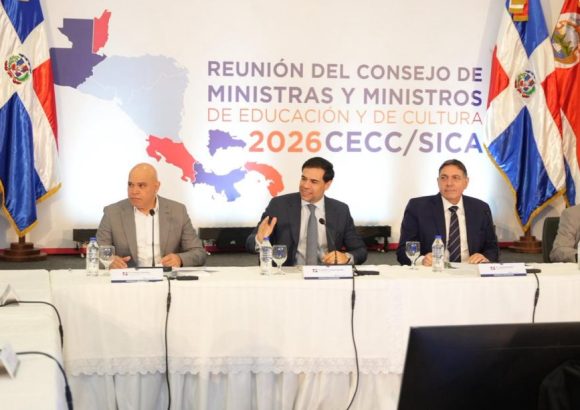
On Tuesday, the capital city of Santo Domingo opened its doors to top cultural leaders from across Central America and the Caribbean, kicking off the 39th Ordinary Meeting of the Council of Ministers of Culture under the Central American Educational and Cultural Coordination of the Central American Integration System (CECC/SICA). The opening ceremony was led by Dominican Republic’s Culture Minister Roberto Ángel Salcedo, marking the start of days of targeted dialogue and collaborative planning focused on advancing regional cultural progress.
This high-level gathering brings together senior cultural decision-makers from all CECC/SICA member states, with a core mission to deepen cross-border partnerships and move forward a shared strategic agenda centered on three key pillars: inclusive cultural development, systematic preservation of shared and national heritage, and sustainable expansion of regional creative economies. Unlike informal regional exchanges, this meeting is designed to turn collective discussion into actionable cooperation that addresses shared challenges facing cultural sectors across Central America and the Caribbean.
In his opening address to delegates, Minister Salcedo underscored the critical role of cross-national collaboration in positioning culture as a core driver of three foundational regional goals: long-term sustainable development, deeper regional integration, and stronger social cohesion. He stressed that no single nation in the region can effectively address evolving challenges in the cultural space alone, making shared experience exchange and joint problem-solving essential to building a more resilient, vibrant cultural ecosystem across the region.
Organizers have structured the meeting’s agenda around six priority areas identified through prior consultations with member states. These priorities include expanding and protecting the legal and economic rights of artists and cultural workers, developing more robust frameworks for safeguarding intangible and tangible cultural heritage, upgrading national cultural data and statistics systems to better track sector impact, advancing the decentralization of cultural management to expand public access to cultural resources, addressing emerging issues of digital rights and artificial intelligence’s impact on copyright, and strengthening the competitiveness of regional cultural and creative industries.
Delegates from Belize, Costa Rica, El Salvador, Guatemala, Honduras, and Panama took active part in the first day of deliberations, each presenting successful local initiatives and public policies that have advanced goals ranging from supporting working artists to protecting centuries-old cultural traditions, and improving the accuracy and accessibility of national cultural information systems.
Two widely cited initiatives stood out during the sharing session: Costa Rica’s targeted legislative and policy work to strengthen legal protections for cultural workers facing labor and economic insecurity, and the Dominican Republic’s innovative ARTSECURE project, which was created to provide targeted support and professional protection for working artists and cultural managers. Beyond these programs, delegations exchanged actionable insights on heritage preservation practices and methods for building cultural statistics frameworks that accurately measure the cultural sector’s full contribution to national economic growth and social progress.
In addition to sharing existing successful programs, the Dominican delegation put forward new proposals for expanded regional cooperation in cultural innovation. Delegates also held preliminary discussions on upcoming joint initiatives tied to the Ibermedia Program, a leading fund for Ibero-American audiovisual production, and the XII Ibero-American Museum Meeting, which will bring together museum leaders from across the region next year.
By the close of the meeting, delegates are expected to vote on and approve a series of binding cooperation agreements aimed at strengthening cultural ties across the region. These agreements will also establish permanent, ongoing collaboration mechanisms for CECC/SICA member countries, reaffirming the regional bloc’s shared commitment to positioning culture as a foundational tool for sustainable development, deeper regional integration, and the preservation of a shared regional identity.