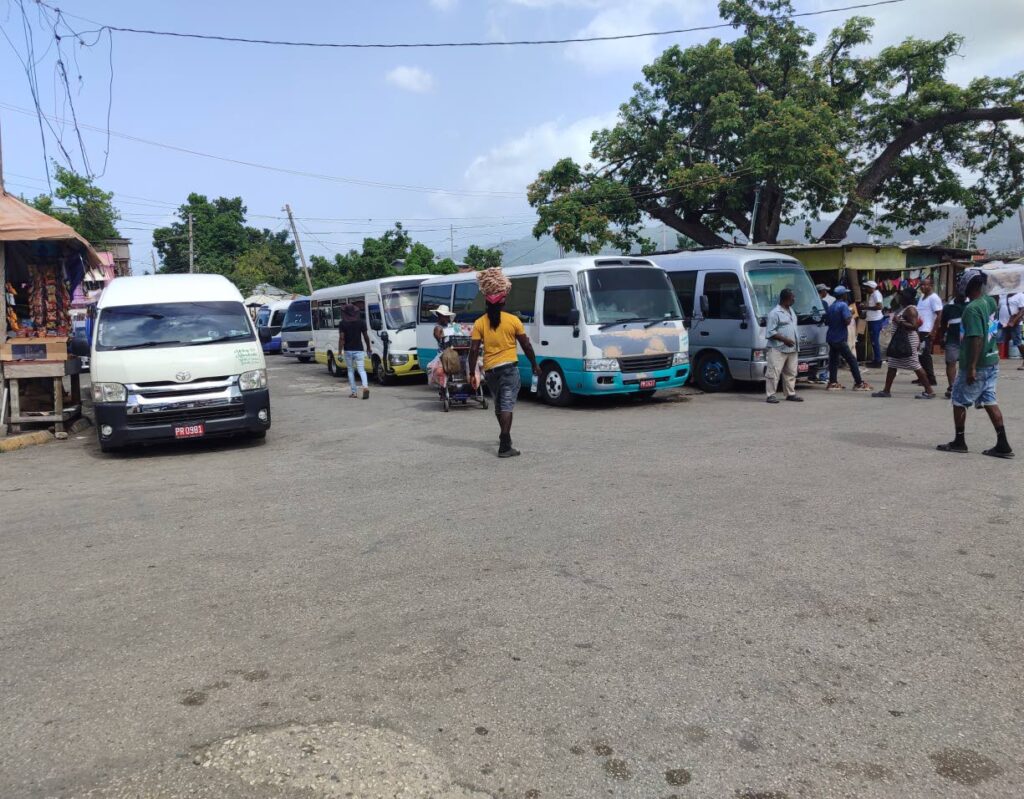
In a move that balances industry survival with working-class commuter concerns, a coalition of 15 Jamaican taxi associations serving primarily the country’s western region has voted to hold off on implementing the remaining 16% approved fare increase until Jamaica’s minimum wage adjustment takes effect in July.
Dion Chance, who serves dual roles as a director for the National Council of Taxi Associations (NCOTA) and president of the St James Taxi Association, shared the group’s decision with the Jamaica Observer on Wednesday, noting that after three years of waiting for full fare adjustment, an extra 29 days makes little material difference to operators.
The background of this decision stretches back to October 2023, when Jamaican authorities approved a total 35% fare increase for taxi services. At that time, amid ongoing post-COVID-19 economic stabilization efforts and recovery from 2024’s Hurricane Beryl, transport operators agreed to only implement a 19% partial increase immediately, leaving the remaining 16% pending. Recent months have brought growing pressure from cabbies to roll out the remaining adjustment, driven by skyrocketing fuel prices tied to ongoing geopolitical tensions in the Middle East that have squeezed operator profit margins.
On Tuesday, Transport Minister Daryl Vaz announced a staggered two-phase plan for the 16% residual increase: an 8% hike to take effect immediately, followed by a second 8% increase on July 1. The government framed the staggered approach as a measure to soften the inflationary shock of the fare adjustment on the broader national economy. But the taxi coalition concluded that the government’s plan would still leave low-income commuters facing sudden higher transport costs without a corresponding increase in their income.
Chance explained the coalition’s community-focused rationale, saying: “What we are looking at is that commuters will face two increases under the transport ministry’s staggered approach, one in a period where their income has not changed. We are just being good corporate citizens. While we are feeling it, we know that they are feeling it too and you can’t kill the goose that lay the golden egg. In order to survive we have to give the commuters some breathing space too.”
Jamaica’s national minimum wage is scheduled to rise from the current rate of J$16,000 per 40-hour work week to J$17,000 effective July 1. Chance emphasized that minimum wage earners make up the core of taxi ridership across the country, making the alignment of fare and wage adjustments a logical priority for the group. The decision to delay was not made unilaterally: NCOTA surveyed its member associations via WhatsApp groups, and the majority of members voted in favor of the hold, cementing it as the national body’s official policy.
“Our members and our member associations will hold, because we can do that,” Chance said. “While we need to stay in business, we also have to take them into consideration.”
To ease the financial strain on taxi operators as they wait for the fare adjustment to take effect, NCOTA is now exploring alternative solutions to offset elevated fuel costs. Chance said the association is in discussions with local businesses to secure bulk discounts on essential supplies for operators, including fuel, tires, and vehicle spare parts. With an estimated 24,000 registered taxis operating across Jamaica, the industry represents a large, consistent consumer base that makes mutual discount arrangements beneficial for both sides, he noted.
Beyond cost relief on supplies, Chance also called for a policy shift from Jamaican commercial banks to expand access to low-interest financing for taxi operators looking to purchase new or replacement vehicles. Currently, he explained, low-interest vehicle loans are only accessible to operators who are members of credit unions, pushing many working cabbies to turn to predatory loan sharks who charge exorbitant interest rates. In some cases, operators end up paying more than J$40,000 per week to service these high-cost loans.
Recent regulatory changes now allow individual taxi operators to apply for personal vehicle import licenses, which let them source cheaper vehicles directly from overseas markets rather than purchasing marked-up vehicles through local dealers. All that is required to import a vehicle is self-clearance through customs or hiring a local broker to handle the process. But Chance noted that this cost-saving opportunity is out of reach for most operators without access to affordable commercial financing, underscoring the urgent need for banks to revise their long-standing lending policies that exclude independent taxi operators.