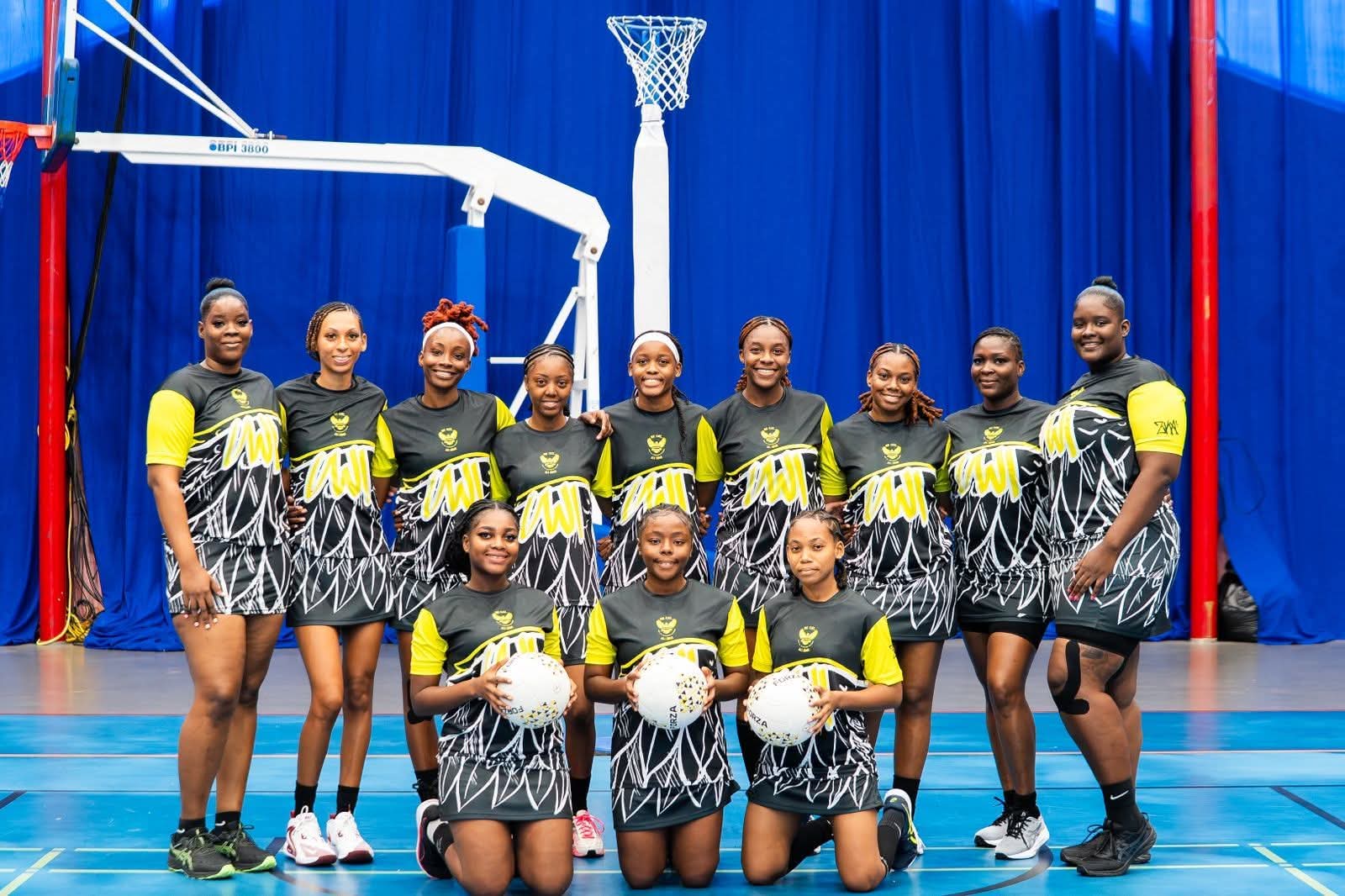
The University of the West Indies Inter-Campus Games wrapped up recently at the St Augustine Campus in Trinidad, with the Cave Hill Campus securing third place overall after claiming three of the 14 available championship titles. Team manager Aundrea Wharton shared his assessment of the team’s performance in an exclusive interview with Barbados TODAY, breaking down the results and outlining expectations for future competitions. Wharton confirmed that Cave Hill’s standout wins came in women’s hockey, women’s volleyball, and women’s netball, where all three squads outperformed competing campuses to claim the top podium spot. Despite these strong individual results, Wharton acknowledged that the final overall standing fell slightly short of the program’s pre-tournament projections. “We missed out on two titles we had our sights set on – men’s cricket and men’s volleyball,” he explained. “Our squads in both events finished second, and moving those two positions up from silver to gold would have lifted our overall medal ranking considerably.” That said, Wharton emphasized that the team’s showing was a solid outcome given the unusual context surrounding this year’s restart of the Games. This year’s event marked the first full iteration of the multi-campus competition after COVID-19 pandemic disruptions, and a large majority of Cave Hill’s 130-person delegation had never competed in the UWI Inter-Campus Games before. “Coming into this tournament, almost our entire squad was completely new to the idea of these university games, what they stand for, and the intensity of competition they bring,” Wharton noted. “For these young athletes, this whole experience was a major learning curve that they can build on moving forward.” Looking ahead to the next edition of the Games, scheduled to be hosted by the Cave Hill Campus in Barbados in 2028, Wharton expressed cautious optimism for a stronger result. Roughly 60 percent of this year’s 130 athletes will still be eligible to compete for Cave Hill in four years’ time, and the experience they gained at this year’s tournament will be invaluable, he argued. “Now that they have a first-hand understanding of how hard-fought these Games are, and what it takes to compete for titles, I think we’ll see a very different outcome in 2028,” he said. “Add that to the advantage of competing on home soil, and I know our athletes will be hungry to put on a much better performance for our home crowd.” In the final overall standings, Jamaica’s Mona Campus claimed the first place overall title, with the host St Augustine Campus finishing in second. Wharton also noted that the overall level of competition across all participating campuses was inconsistent this year, a trend he attributes to the post-pandemic restart. “This year felt a little lukewarm across the board, because it’s the first time we’ve been back to full competition after COVID,” he explained. “Many teams hadn’t experienced the intensity of the Games before, so they were still finding their footing. We also saw the debut of Five Islands Campus, which was only founded two years ago and competed in the Inter-Campus Games for the first time ever this year.”