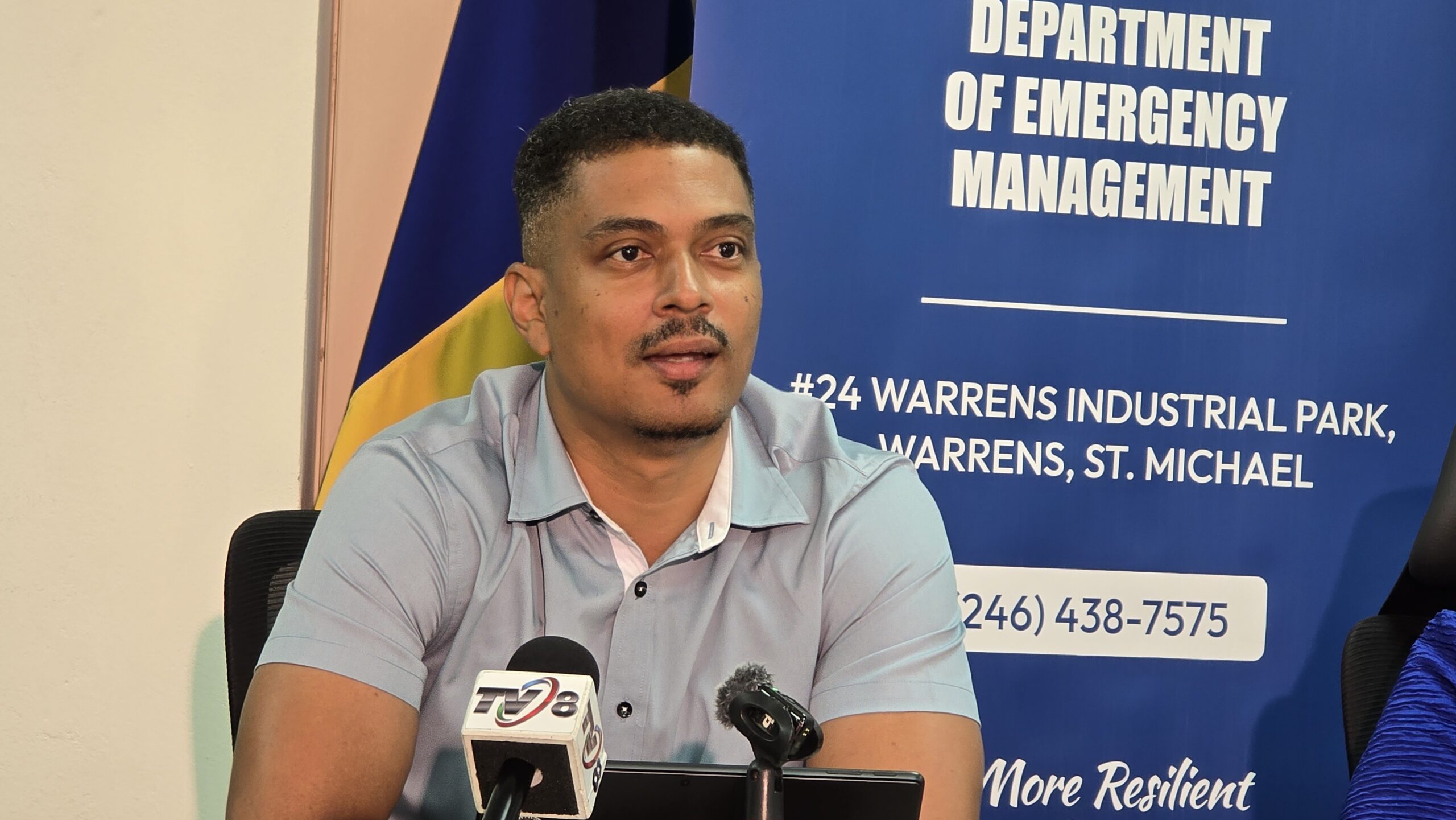
As the Caribbean country kicks off its official 2026 Atlantic hurricane season monitoring and response efforts, Barbadian emergency and weather officials are pressing residents to maintain full preparedness, even as leading international forecasters predict an unusually quiet year for storm activity across the basin.
Speaking at the official launch of the 2026 season hosted by the Department of Emergency Management on Monday, Sabu Best, Director of the Barbados Meteorological Services, emphasized a critical, often overlooked truth of hurricane season: a single intense storm is enough to leave widespread destruction in its wake, regardless of how low overall seasonal activity forecasts are.
Best noted that projections from most major international meteorological agencies point to 2026 seeing total Atlantic hurricane activity that falls between average and below average. In fact, this year’s projected number of tropical storms marks one of the lowest eight-year forecasts for the basin, signaling what is widely expected to be a far less active season than many recent years. But Best stressed that complacency remains one of the biggest threats to coastal communities, repeating that even one major storm can upend lives and destroy infrastructure.
While forecasts do call for fewer intense hurricanes this season, Best warned that the overall risk from tropical weather systems continues to climb, driven in large part by the growing frequency of rapid storm intensification – a phenomenon that can turn a mild tropical storm into a major hurricane in less than 24 hours.
“It doesn’t matter if we only see one or two named storms all season,” Best explained. “The ocean has enough energy to fuel rapid development, and rapid intensification is becoming a more common occurrence every single year. That fact is what matters most.” He went on to note that many residents wrongly assume a newly formed tropical storm developing off the eastern coast of Barbados doesn’t have time to strengthen into a dangerous system before making landfall. But that’s no longer the case: a storm can be a weak tropical storm overnight, and surge to a Category 2 or 3 hurricane by the next morning, leaving communities with little time to prepare. That’s why pre-season planning and constant vigilance remain non-negotiable, he added.
Beyond hurricane risks, Best addressed forecasts for the upcoming rainy season, which call for total precipitation between below average and near average. Even with lower overall rainfall, however, isolated extreme downpours can still trigger devastating flash flooding and infrastructure damage, he warned. Best explained that large swathes of the country could still see extended dry spells through the wet season, and small, localized extreme rain events are extremely hard to predict days in advance. When they do hit, particularly during the peak heat months of August and September when light wind patterns prevail, they can dump enough rain to overwhelm drainage systems and damage properties, especially in parishes including St. James and St. Thomas.
To underscore the risk of unforeseen extreme weather, Best pointed to a recent major rain event in neighboring Dominica just one week prior, where roughly 400 millimeters of rain fell in just a few hours. That downpour triggered destructive landslides and damaged hundreds of homes across multiple Dominica communities.
Best also cautioned Barbadians to prepare for potential heatwaves during the peak of the hot season in August and September. While forecasters do not expect 2026 will break the extreme heat records set in 2023, lower than average rainfall means fewer temporary breaks from high temperatures. With fewer rainy days to cool things down, the persistent heat can feel relentless for residents, increasing risk of heat-related illness, he added.