For more than half a century, the Caribbean region has stood as one of cricket’s most storied talent hubs, producing generational icons who redefined the global game. From Sir Vivian Richards’ swashbuckling batting aggression to Michael Holding’s devastating fast bowling and Brian Lara’s unmatched run-scoring brilliance, the region’s cricketing legacy is unmatched in its impact and cultural resonance.
Yet as the 21st-century game has evolved rapidly, that historic advantage has eroded. Cricketing nations around the world have poured billions into modern high-performance development systems, cutting-edge sports science infrastructure, and data-driven training technologies, raising the bar for competitive preparation at every level of the sport. Today, the harsh reality facing Caribbean cricket is clear: raw natural talent alone is no longer enough to deliver consistent, dominant performances against the world’s top sides. To match the progress of leading cricketing nations, the region must make a deliberate, urgent shift toward structured development, purpose-built facilities, and fully integrated athlete support systems.
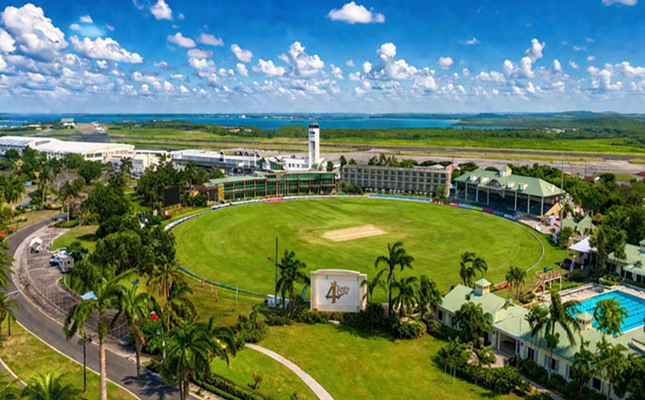
In a landmark step to address this gap, Cricket West Indies (CWI), backed by full government support from Antigua & Barbuda, has formally unveiled plans to build a state-of-the-art High-Performance Campus at the Coolidge Cricket Ground site in Antigua. The project is designed to create a self-sustaining ecosystem that merges elite athletic training, player education, and commercial activity to nurture the next generation of Caribbean cricket stars.
The announcement has already earned widespread praise from regional franchise coaches leading teams in the ongoing West Indies Championship, who universally frame the initiative as a make-or-break investment for the future of the region’s cricket.
Robert Haynes, head coach of the Jamaica Scorpions and a former national selector, called the planned facility a long-overdue solution to the growing development gap between the Caribbean and its global competitors. “I think it’s a magnificent idea. When I was a selector, it was always spoken about in terms of having something dedicated for the youngsters. I think it’s a magnificent effort by the Antiguan government and Cricket West Indies to get this going because we desperately need it,” Haynes said. He added that with the limited number of first-class fixtures available to developing regional players, a consistent, reliable high-performance system is critical to keep young talents match-ready, noting that every other top international cricketing nation already operates a dedicated high-performance center.
Keon Peters, head coach of the Windward Volcanoes, echoed Haynes’ support, emphasizing that the Caribbean’s greatest challenge is not a lack of innate talent, but a lack of the structured systems needed to nurture that talent to its full potential. “With the amount of talent that we have, for us to compete against the other international teams we must have this in place. We know resources have been difficult for us, and I think it’s a good initiative by Cricket West Indies. It’s never too late to start,” Peters said.
Rayad Emrit, head coach of the Trinidad and Tobago franchise, highlighted a second critical issue the campus will address: talent retention. Emrit noted that while the Caribbean produces no shortage of standout young talents at the Under-19 level, a large number of these players fade away from competitive cricket after age-group competition, failing to progress into the senior international pipeline. “I honestly think there’s a lot of talent in the Caribbean coming through from Under-19, but after Under-19 a lot of them fade away and we don’t get those core players coming through the system,” he said. “I think we have enough players who have natural talent, and one of the main factors for us not producing the players that we thought we would have is the lack of adequate facilities.”
The proposed High-Performance Campus is designed to tackle exactly these gaps by embedding professionalism into every pillar of player development, from technical skill refinement and sports science-backed physical preparation to media training and personal growth for young athletes.
Steve Liburd, head coach of the Leeward Islands team, said consistent access to this type of professional environment will be transformative for emerging Caribbean players. “Across the world, there are lots of high-performance centres all around and they reap benefits for younger players over time. Having such a centre will be beneficial for West Indies cricket on a whole with players being exposed to modern technology, having a place where they can go and do media work and develop all of their off-field skills,” Liburd explained.
Guyana head coach Ryan Hercules shares the widespread optimism, framing the initiative as a long-awaited turning point that will bring Caribbean cricket in line with global best practices. “This is something overdue, but whenever it’s here, it’s here. When that starts, we will probably start seeing a change in West Indies cricket,” Hercules said.
Vasbert Drakes, a former West Indies international fast bowler and current head coach of the Barbados Pride, called the campus a major step forward, but added that the long-term goal must be to expand high-performance infrastructure across every Caribbean territory. “I think it would be great if all the franchises in the Caribbean would be in a position where they can have a high-performance system, because we have tremendous talent and we want a better pathway system for them,” Drakes said. “It is good to see that the West Indies is going in that direction, but I would also like to encourage all of the territorial boards to find a way through government and local sponsors to make it work across the region.”
For decades, the Caribbean’s natural cricketing flair has carried the region to global success. But in the modern, increasingly professionalized game, sustained success only comes to teams that pair raw talent with rigorous preparation, cutting-edge technology, and world-class development systems. The planned High-Performance Campus at Coolidge represents a clear, focused strategy to ensure West Indies cricket not only retains its historic legacy of talent, but also builds the infrastructure needed to compete with the best teams in the world for generations to come.