A major diplomatic and political row has erupted after Nigel Farage, leader of Britain’s far-right Reform UK party, sparked international outrage by proposing that a future Reform UK government would block all visa applications from Caribbean and African countries that demand reparations for the transatlantic slave trade. The policy, which explicitly targets nations including Barbados and other former British Commonwealth states that have led global reparations advocacy, has drawn sharp condemnation from Barbadian officials, who have labeled Farage’s stance a demonstration of “profound moral blindness”.
Despite holding just eight seats in the UK national parliament, Reform UK – an ultra-conservative, anti-immigration party that has gained significant traction among British voters – currently leads national opinion polls ahead of the UK general election scheduled to take place by 2029. In defending Farage’s proposal, Reform UK officials have described reparations demands as “insulting”, arguing that they erase the UK’s historical legacy as the first major global power to abolish slavery and enforce its ban across the Atlantic.
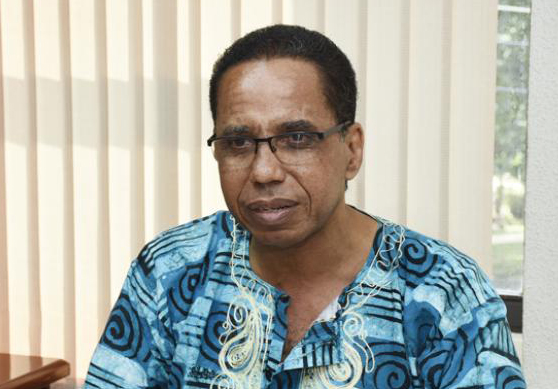
That framing has been firmly rejected by leaders of Barbados’ reparations movement. Ambassador David Comissiong, deputy chair of the Barbados National Task Force on Reparations, told local outlet Barbados TODAY that Farage’s out-of-touch position will not weaken the reparations campaign – instead, it will galvanize advocates to double down on their efforts. The core goals of the reparations movement extend far beyond direct cash payments, Comissiong explained, and include targeted action: restoring stolen cultural artifacts and institutions, addressing ongoing public health disparities rooted in centuries of slavery, eliminating illiteracy across former enslaved nations, and facilitating equitable technology transfer.
“Far from causing anyone to back off from the reparations issue, it is going to, in fact, motivate us, the reparations campaigners, to actually double down in telling the story, educating national public opinion, confronting people like Mr Farage with the hard facts and truth of that tragic history,” Comissiong said in the Friday interview. He added that Farage appears to misunderstand the massive scope of his own proposal: a visa ban would bar entry to the UK for nearly all citizens of English-speaking Caribbean and African nations, a policy that would carry severe negative consequences not just for affected countries, but for the UK and the entire Commonwealth of Nations.
Comissiong argued that Farage’s stance reflects a stubborn historical strain of denial within sections of British society, one that refuses to acknowledge the grave crimes committed by the British Empire. “As an empire, they committed serious, serious crimes in dominating non-native people, enslaving, carrying out genocide of the native people, and constructing this terribly devilish and inhumane system of racialised chattel slavery, where they denied human status to a large segment of the human family,” he said. Centuries after abolition, this persistent refusal to confront the harms of slavery – harms whose intergenerational impacts endure to this day – and to humbly admit wrongdoing is exactly what qualifies Farage’s position as morally blind, he added. The only cure for this denial, Comissiong noted, is widespread public education about the true history of the transatlantic slave trade.
Crucially, Comissiong emphasized that Farage’s position is out of step even with leading British institutions. He pointed to King Charles III’s public acknowledgment that a conversation about reparations is long overdue, as well as the Church of England’s formal admission of complicity in the crime of slavery, followed by a public apology and the launch of a dedicated reparative justice funding program. He also noted that prominent established British families with ties to the slave trade, such as the descendants of the Jacobeans and the Gladstones, have issued public apologies for their ancestors’ roles and launched their own reparative justice initiatives.
In a separate exclusive interview with Barbados TODAY from his London office on Friday, Barbados’ High Commissioner to the UK Edmund Hinkson reaffirmed Barbados’ unwavering commitment to the reparations cause, even as he declined to comment on UK domestic political protocol. Hinkson stressed that Barbados fully endorses the United Nations resolution that formally classifies the transatlantic slave trade as the worst crime against humanity in recorded history. He also expressed regret that while the resolution passed with overwhelming support, endorsed by 152 of the UN’s 193 member states, the UK and all European Union nations that participated in the slave trade abstained from the vote.
Hinkson also pushed back against a common misleading narrative in British media and political circles that Caribbean reparations advocates are demanding direct cash payments of between £18 trillion ($48 trillion) and £24 trillion ($65 trillion), an estimate of the value of forced labor extracted from enslaved people by British actors including commercial banks, insurance companies, the Church of England, and a majority of 19th-century British parliament. “Of course, none of the countries that were involved in this tremendous international crime have that money right now. We are not asking for that kind of money by itself … that is not at the forefront. We understand that the practicality of that money will not be paid,” he explained.
Instead, Hinkson outlined the movement’s core priorities, starting with a full, formal apology from the British government for the country’s role in the slave trade. Critics often argue that modern Britons should not apologize for crimes committed by their ancestors, but Hinkson countered that descendants of slave owners and traders continue to reap massive economic and social benefits from their ancestors’ exploitative actions. Beyond a formal apology, the movement’s demands mirror those laid out by Comissiong: the repatriation of stolen cultural artifacts held in British museums, targeted support to address the public health crisis that stems from the intergenerational trauma of slavery – Caribbean nations have some of the highest global rates of chronic conditions including hypertension and both types of diabetes – programs to eliminate illiteracy, support for psychological rehabilitation for affected communities, equitable technology transfer, and widespread debt cancellation for former colonial nations.