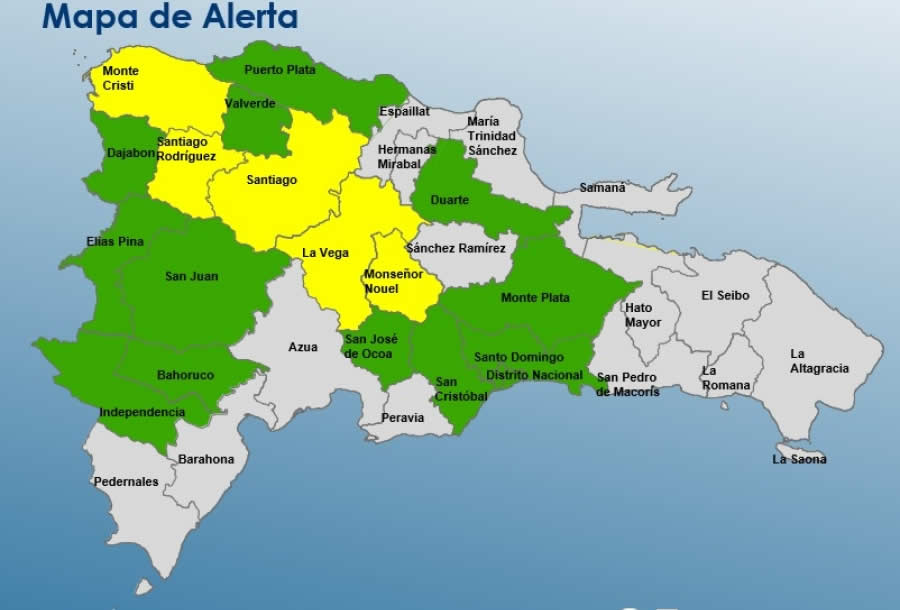
As extreme weather events grow in frequency and intensity across many regions, the Emergency Operations Center (COE) has launched a public education campaign to clarify the meaning of different weather alert levels and outline the corresponding life-saving actions residents must take for each risk tier.
Officials stress that weather alerts are not arbitrary notifications: they are pre-emptive declarations issued ahead of an impending hazardous weather event, designed to let emergency response teams activate contingency plans and allow ordinary residents to put protective precautions in place before danger arrives. To clear up widespread public confusion about the distinct risk levels, COE has broken down the three core alert categories and their requirements:
First, a green alert marks the lowest risk tier, issued when an atmospheric phenomenon is developing and may impact the area. At this stage, the public is advised to stay informed through official updates, maintain situational awareness, and watch for changing conditions that could require further action.
Second, a yellow alert signals a moderate increase in risk, indicating dangerous weather is on track to reach at-risk parts of the region. For residents located in vulnerable or high-risk zones, this alert means it is time to prepare for evacuation or relocation, and make arrangements to move to a pre-identified safe location well before the weather arrives.
Third, a red alert is the highest risk classification, reserved for areas directly in the path of the most severe dangerous weather. When a red alert is issued, residents in affected zones must finalize all emergency preparations: confirm emergency supply kits are fully stocked with water, non-perishable food, first aid supplies and critical medications, move immediately to a designated safe location, and remain sheltered there both before and throughout the duration of the weather event.
COE officials have underscored that understanding the clear distinction between green and red alerts is a critical piece of public safety knowledge. While a green alert only calls for heightened attention and ongoing vigilance, a red alert demands immediate, decisive action to protect personal safety and reduce potential harm.
In closing, authorities reiterated that consistent adherence to these alert guidelines directly cuts the risk of fatalities and minimizes damage to personal and community property—particularly for low-income and geographically vulnerable communities that face disproportionate harm from extreme weather events.