A string of unconnected gun violence incidents across Barbados on Easter Monday has left two men dead, including a 22-year-old father of two, and three other people injured, pushing local communities to demand immediate, decisive action from law enforcement to curb rising violent crime.
The youngest fatality, Raul Clarke from Gall Hill, Christ Church, was enjoying the final hours of the popular annual Oistins Fish Festival with a group of people around 10:05 p.m. when a sudden conflict erupted. Shots rang out into the crowd, striking Clarke, an unidentified second man, and a woman. Clarke was rushed to the island’s main Queen Elizabeth Hospital by private vehicle, but he succumbed to his wounds shortly after arrival. The other two injured victims were transported by emergency paramedics and are currently receiving care for non-life-threatening injuries.
When reporters from Barbados TODAY visited Clarke’s tight-knit Gall Hill neighborhood this week, neighbors remembered the young father, whose second child is only a newborn, as a polite, helpful member of the community. “He didn’t deserve that; nobody deserves that,” shared one long-time neighbor, a mother who previously lost two of her own children to gun violence eight years apart. “I know how his mother must feel right now. It’s very sad.” Clarke’s immediate family was too overwhelmed by grief to speak to reporters during the visit.
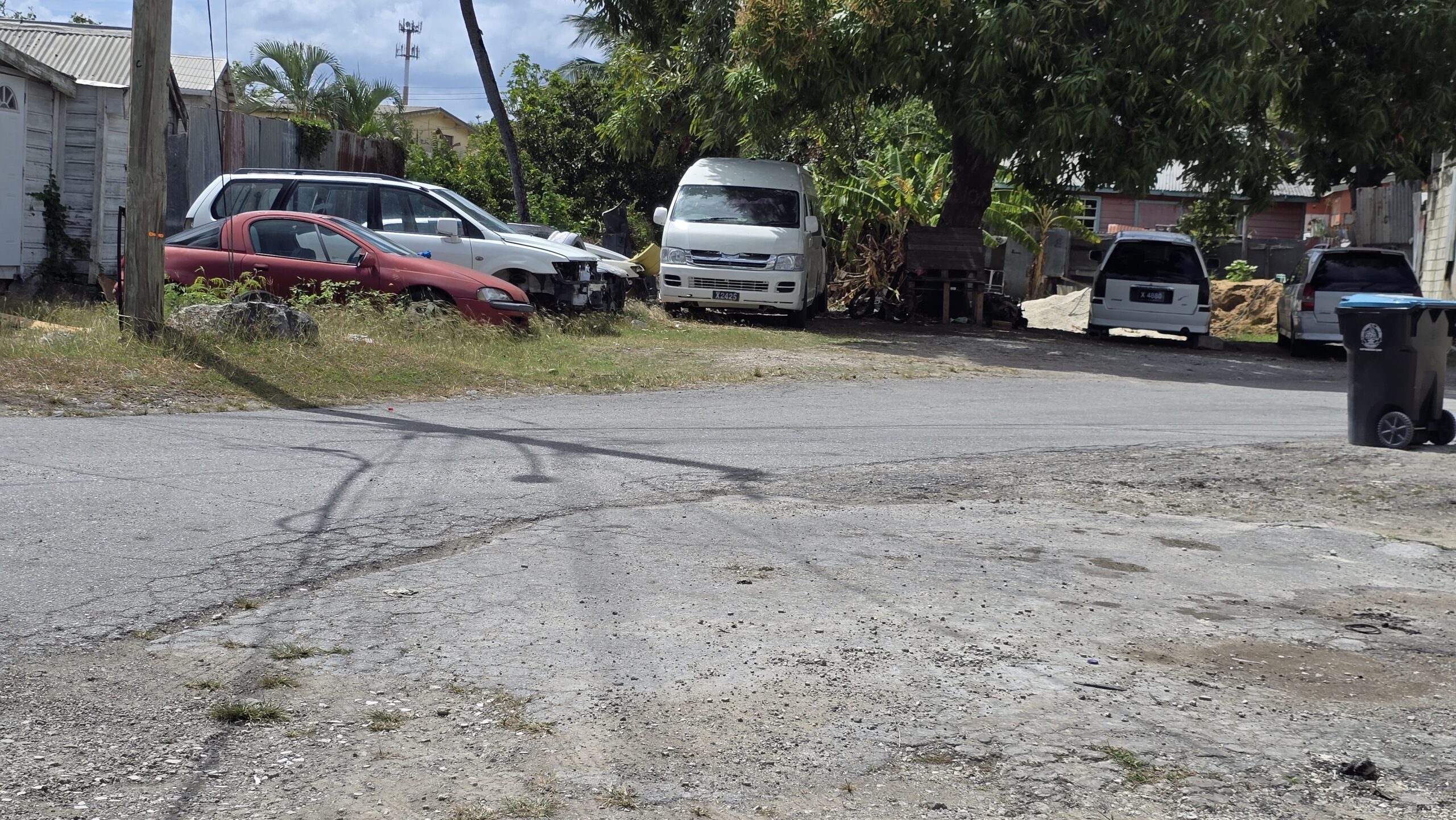
Hundreds of kilometers north in the parish of St Michael, two more separate shooting incidents unfolded during the island’s public Easter beach celebrations. First, just before 7 p.m., officers from the Hastings/Worthing police division responded to reports of gunfire near Brownes Beach. Upon arrival, they discovered the body of an unidentified man lying close to a local commercial establishment. Roughly two hours later, at St Stephen’s Hill – a neighborhood long labeled as a known crime hotspot – a car pulled up alongside a group of people gathered outside a private residence. A passenger exited the vehicle and fired multiple shots, wounding one man before fleeing the scene.
Acror the affected areas, residents and local business owners have voiced growing frustration and exhaustion with the persistent cycle of gun violence that has upended daily life on the Caribbean island. Many business leaders warned that the escalating crime wave is already hurting local commerce and risks damaging Barbados’ reputation as a safe tourist destination, the backbone of the national economy.
“It’s about time that this foolishness stops, because it doesn’t help anyone,” one long-time St Michael resident told reporters. “It’s just leaving a trail of fatherless children behind from all this senseless killing. It ain’t worth any of it.”
Jojo, a small business owner operating near the St Stephen’s Hill area, said while she refuses to live in fear, the constant proximity to violence has left her weary. “This happened pretty close to my shop, and I work right out by the road. If something went wrong here, there’s nowhere for me to run,” she explained. “I’d feel safer having another person with me, but it shouldn’t have to be a requirement just to run a business.”
Another nearby business owner, who asked to remain anonymous out of safety concerns, shared that even though he does not reside in the neighborhood, his family has grown increasingly worried for his well-being. “I try not to think about it too much, because the truth is you can’t be safe anywhere, no matter what you do,” he said. “Whether you’re inside, outside, at work – you can’t control when and where violence will hit.” He added that the ongoing crime wave already threatens his customer base: “You don’t know how your customers feel about coming here. We still have to wait and see what the long-term impact on business will be, beyond the personal stress.”
Arkay, a 10-plus year business owner who operates and lives near the Montgomery playing field in Cave Hill, has joined the growing chorus calling for a far more aggressive police crackdown on violent crime, even suggesting combining national police resources with the Barbados Defence Force to root out criminal networks. “The police have got to do their work,” he stressed. “If they need to lock down high-crime areas, get the criminals off the streets, even if they bring in the Defence Force to help – they just need to get the job done.”
A former taxi driver, Arkay recalled that he once proudly boasted to visiting tourists about Barbados’ historically low crime rate, but said that reputation is now a thing of the past. Today, the violence has reshaped daily life and hurt local business: “By seven o’clock at night, everybody is off the streets. Before, people would come down to the bars, have a drink, then head home. Now nobody wants to come out at all.”
He warned that if the crisis is not addressed quickly, it will eventually deter international travelers from visiting the island, with devastating consequences for the entire national economy. “If it’s affecting Barbadian citizens, of course it’s going to affect visitors too. The government and police need to do something about this now,” he said.
Arkay also highlighted a worrying shift in the demographics of those involved in violent crime, noting that perpetrators are getting younger every year. “The age group getting pulled into these criminal acts is exactly the working-age population that’s supposed to be the next generation pushing Barbados forward,” he explained. “If that generation is destroyed by violence and incarceration, what is going to happen to our country?”