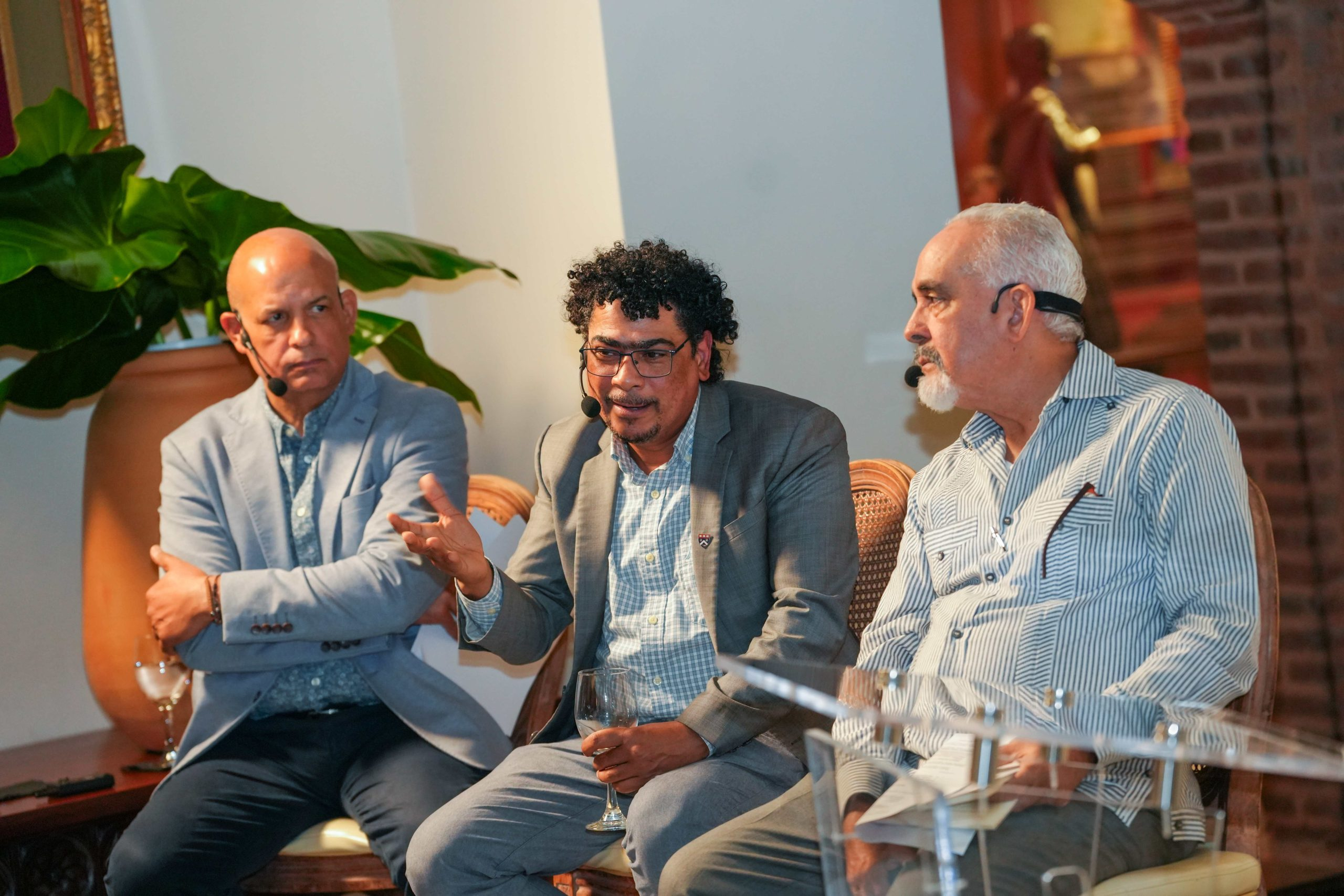
A recent discussion hosted at the Casa del Cordón Taíno Cultural Center, an initiative developed by Banco Popular Dominicano in Santo Domingo, has shone a fresh spotlight on the rich pre-Columbian linguistic heritage of Hispaniola and the lasting imprint the Taíno language has left on modern Caribbean Spanish. Titled “Voices of the Island: Original Languages of Hispaniola,” the event brought together two leading scholars—anthropologist Leonardo Nin and researcher Rafael García Bidó—to unpack the complex linguistic landscape that existed on the island centuries before European arrival.
The pair shared key findings that upend common misconceptions about Hispaniola’s indigenous history: before 1492, multiple distinct indigenous languages coexisted across the island, with Taíno emerging as the dominant lingua franca that united different communities. A core argument presented by the speakers pushes back against the widespread framing of Taíno as a fully extinct language. While the full conversational language is no longer in everyday use, they demonstrated that Taíno remains deeply embedded in the daily speech of communities across the Dominican Republic, Puerto Rico, and Cuba, with hundreds of common words, phonetic patterns, and idiomatic expressions preserved through generations.
As part of the discussion, the researchers presented new work focused on reconstructing Taíno phonology and mapping its unique linguistic characteristics. They used widely recognized everyday terms as case studies to illustrate their points: words that are now standard in Spanish, such as “maíz” (corn), “iguana” (the reptile), and “bejuco” (vine), carry clear traces of Taíno’s original structural and pronunciation patterns. Beyond linguistic analysis, the conversation emphasized that sustained academic study of indigenous languages is far more than an niche academic exercise—it is a critical tool for deepening public understanding of Dominican national cultural identity. The event also reaffirmed the central role the Casa del Cordón Taíno Cultural Center plays in advancing public knowledge of indigenous heritage and supporting ongoing research initiatives that center the island’s pre-Columbian history.