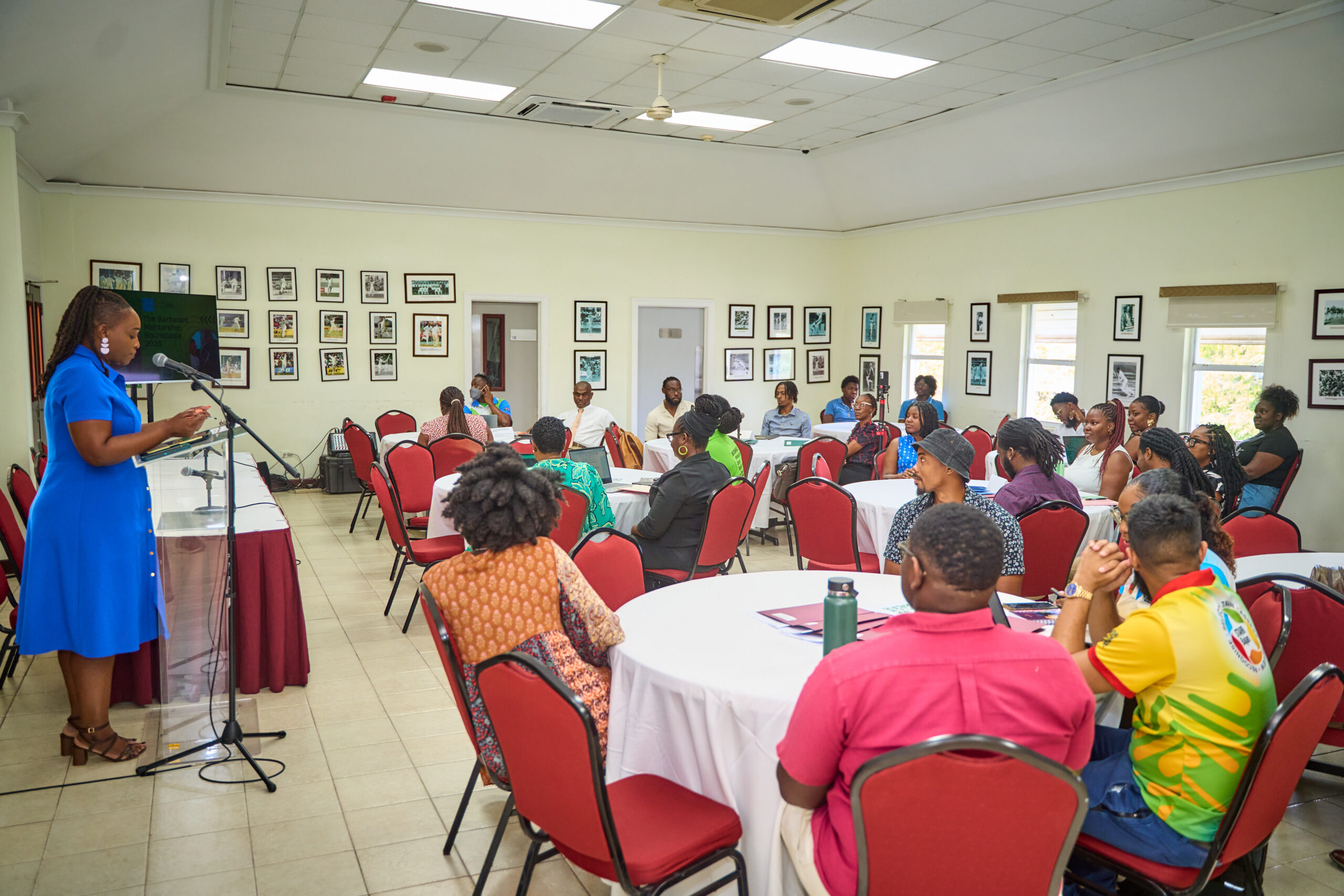
A national roundtable convened at the University of the West Indies Cave Hill campus on Thursday concluded that structured mentorship programs and secure environments for open dialogue are essential tools in addressing escalating youth crime and mental health challenges throughout the Caribbean region. The gathering united government officials, academic experts, and civil society representatives to develop robust mentorship frameworks as a strategic response to youth vulnerability.
UNICEF Youth Engagement Officer Firhaana Bulbulia, speaking at the Barbados Mentorship Roundtable, emphasized the critical timing of this initiative. “We are witnessing alarming increases in crime and violence, alongside growing reports from children concerning mental health struggles, domestic challenges, academic pressures, and the negative impacts of social media,” Bulbulia stated. She highlighted that through UNICEF’s extensive regional engagement with youth, a consistent message emerges: young people are explicitly requesting supportive guidance and non-judgmental spaces. “Their plea is clear—they need someone to talk to, they need guidance, and they require safe spaces with advisors to help them make better life decisions,” she explained.
Bulbulia also praised the dedication of existing mentors and volunteers, acknowledging their frequent efforts that exceed formal responsibilities. She outlined UNICEF’s commitment to collaborating with governments to establish enabling environments through legislative measures, targeted programming, educational reforms, and community-based interventions.
Dr. Tonya Haynes, Head of the Institute for Gender and Development Studies, underscored the fundamental role of care and community in fostering positive youth development. Invoking scholar Ana Ford Smith’s assertion that “absence of care is death,” Dr. Haynes stressed that substantive support systems are vital to counteract the profound alienation experienced by many young people. She presented the Blooming Youth Project as a practical embodiment of this philosophy, an initiative designed to facilitate positive engagement between youth in conflict with the law and their broader community, with mentorship serving as its cornerstone.
The project strategically pairs residents of Government Industrial Schools with mentors from the UWI Cave Hill student body. In addition to mentorship, participants receive specialized training in climate-smart agriculture, renewable energy technologies, and transitional support services. Dr. Haynes characterized the roundtable as a pivotal platform for enhancing stakeholder collaboration, describing it as “an invitation to deepen our ethic of care through peer-to-peer learning, implementation of best practices, and comprehensive documentation of challenges, experiences, and successes.”