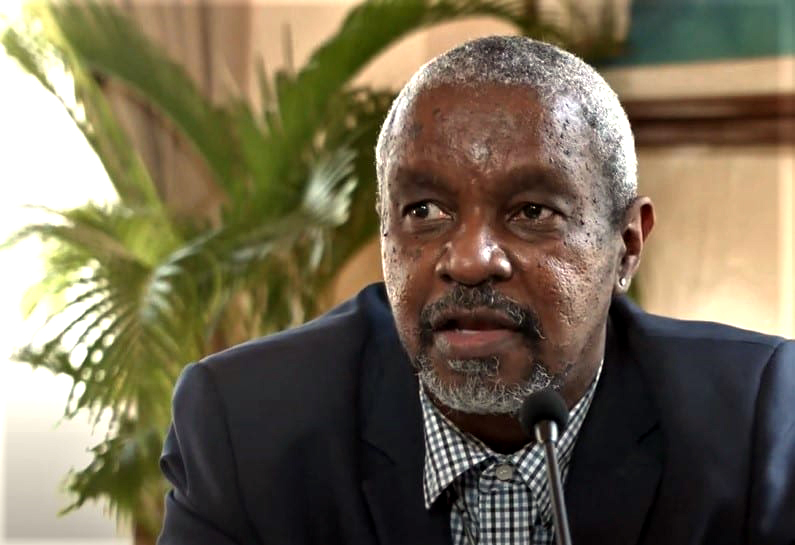
Barbados health authorities have issued a stern warning to educational institutions across the island regarding the critical need for proper food waste management to combat rodent and insect infestations. Dr. Kenneth George, the nation’s Chief Medical Officer, has highlighted the severe health and safety risks posed by vermin proliferation within school environments.
According to Dr. George, negligent disposal practices—including leaving food remnants on desks, floors, and classroom surfaces—create ideal breeding conditions for rats, mice, and cockroaches. The medical expert emphasized that even minimal residues, such as crumbs beneath desks or abandoned lunch items, can initiate extensive infestations that prove both economically burdensome and physically hazardous.
The health implications are particularly grave: cockroaches are known carriers of bacteria responsible for food poisoning, diarrheal diseases, and allergic responses, while rodents can compromise structural integrity by gnawing through electrical wiring and spread pathogens through surface contamination.
Health officials have promulgated a four-point protocol for all school occupants:
1. Discard all food remnants and packaging exclusively in designated receptacles
2. Immediately seal and dispose of food containers after consumption
3. Promptly report both overflowing waste bins and pest sightings to administrative staff
4. Actively promote cleanliness awareness among peers
Dr. George concluded that collective adherence to these measures would fundamentally eliminate the ecological niche that sustains pest populations in educational facilities, thereby safeguarding community health.