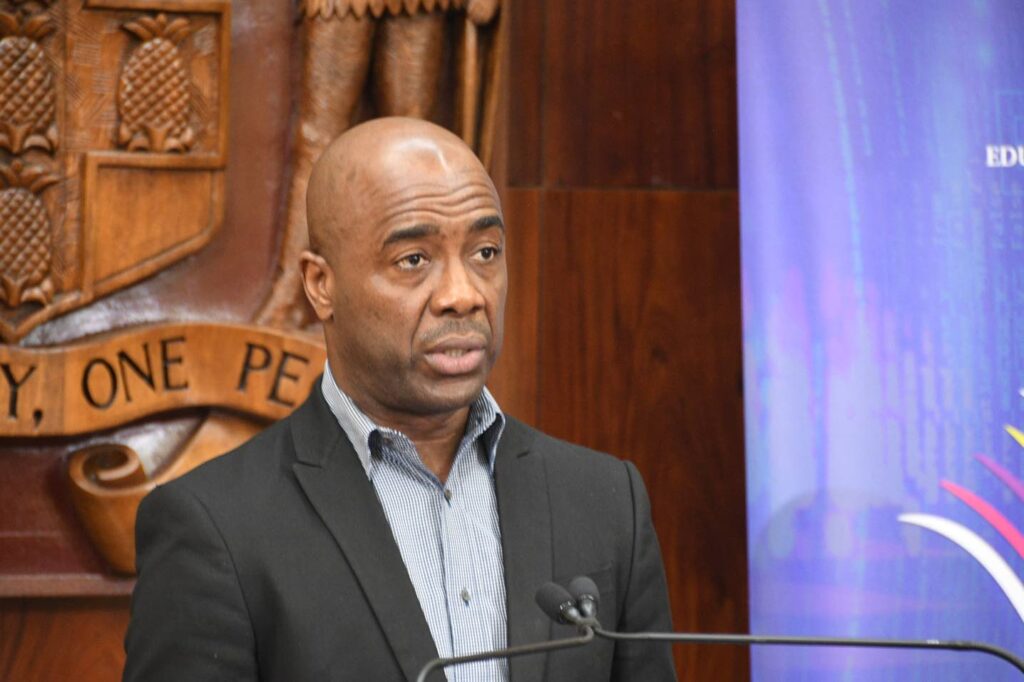
Jamaican education officials are proposing an innovative financial solution to address the massive reconstruction needs of nearly 700 schools damaged by Hurricane Melissa in October. Dr. Adrian Stokes, chairman of the Education Transformation Oversight Committee, has urged the government to engage private sector entities, particularly pension funds, to accelerate the rebuilding process through creative financing arrangements.
The devastating Category 5 storm created an unprecedented challenge for Jamaica’s education infrastructure, with recovery costs exceeding what the national budget can accommodate. Stokes presented his proposal during a quarterly press conference at Shortwood Teachers’ College, emphasizing that traditional funding mechanisms are insufficient for the scale of destruction.
At the core of the proposed model is a partnership approach where pension funds and long-term investors would either construct new school facilities or purchase existing ones from the government, then lease them back to the state under long-term contracts. This arrangement would provide immediate capital for reconstruction while offering stable returns for pension contributors.
Stokes specifically addressed concerns about potential privatization, clarifying that the state would maintain full control of educational institutions and that students would experience no practical changes to their learning environments. He framed the proposal as a strategic financial move that would convert approximately $190 billion in deficit pressure into fiscal flexibility without increasing foreign debt obligations.
The Ministry of Education, Skills, Youth and Information responded through Permanent Secretary Dr. Kasan Troupe, who indicated that public-private partnership models are not entirely new to the ministry. She referenced previous work initiated during the COVID-19 pandemic and mentioned that international development partners had already assisted in preparing consultancy reports on PPP frameworks.
Troupe cited Christel House Jamaica as a successful example of similar models operating within the country, while carefully noting that no formal decision has been made regarding the pension fund approach. The ministry’s immediate focus remains on efficiently utilizing the currently allocated $21 billion rebuilding budget, which combines a new $18 billion commitment with previously approved funds.
The National Education Trust and technical services unit are currently leading recovery efforts with support from donor organizations. Ministry officials emphasize that all options remain under consideration as they work to restore educational facilities across the nation with both speed and fiscal responsibility.