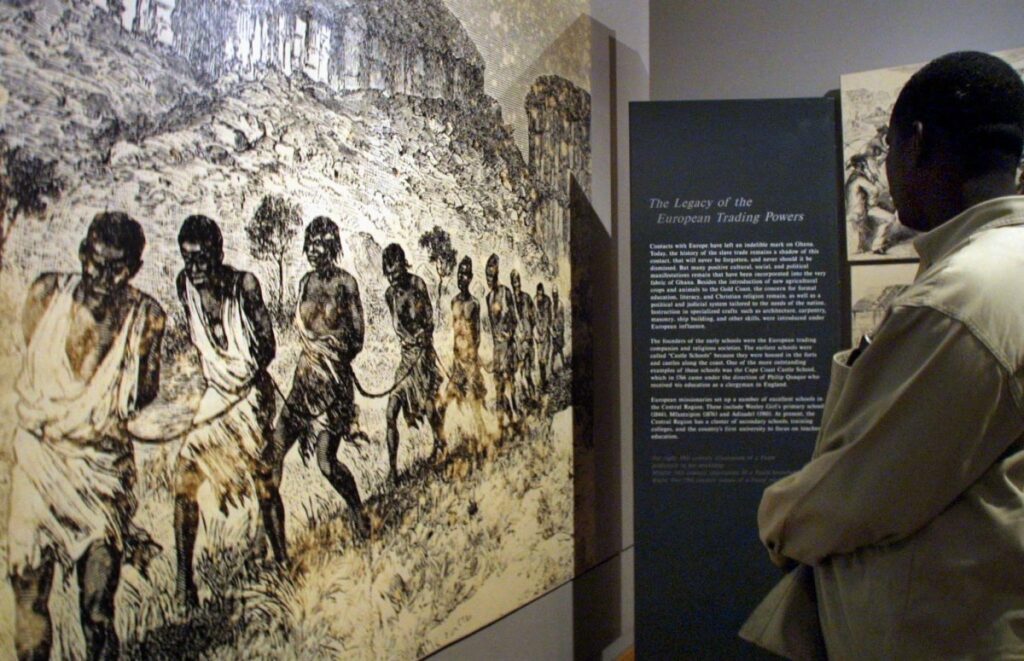
ACCRA, Ghana—A profound sense of historical validation swept through the streets of Ghana’s capital following the United Nations’ landmark designation of the transatlantic slave trade as “the gravest crime against humanity.” The resolution, championed by Ghanaian President John Mahama who personally attended the New York vote, received overwhelming support with 123 member states voting in favor.
Across West Africa, citizens expressed both pride in this recognition and anticipation for what it might catalyze. “This isn’t merely symbolic for our nation; it authenticates our ancestors’ suffering and potentially unlocks pathways to justice,” remarked Abigail Selikem Teye, a university student in Accra.
The sentiment resonated strongly in Benin, where officials have similarly embraced this painful history through tourism initiatives and citizenship programs for diaspora descendants. Both nations were epicenters of the brutal transatlantic trade that between the 16th and 19th centuries forcibly transported millions of Africans to the Americas under deplorable conditions.
Despite being non-binding, the resolution proved contentious. The United States, Israel, and Argentina formally opposed the measure, while 52 countries abstained—a point of concern for many Africans. “I was disturbed by the abstention of nations that profited most from this crime,” noted Lylly Houngnihin, a Beninese art historian.
The resolution specifically highlighted the transatlantic trade’s unique characteristics: its prolonged duration, systematic racialized enslavement, and enduring consequences including modern racial discrimination and neo-colonial structures. While stopping short of explicitly demanding reparations, the document encourages member states to support “initiatives aimed at reparatory justice.
This diplomatic development coincides with growing movements for the repatriation of diaspora Africans. Ghana has actively encouraged this “return,” with over 1,000 people reclaiming citizenship in recent years. Benin launched a similar citizenship program last year, leveraging historical connections to foster renewed bonds with descendants of those taken from its shores.
For many, like African American professor Obadele Bakari Kambon who obtained Ghanaian citizenship in 2016, this represents a healing process. “If enslavement in totality is the wound,” he reflected, “then the healing part comes through repatriation.” Yet practical questions remain, as articulated by Beninese entrepreneur Larissa Adjivon: “Recognition is good, but concrete actions should follow. What does this change for Africa today?”