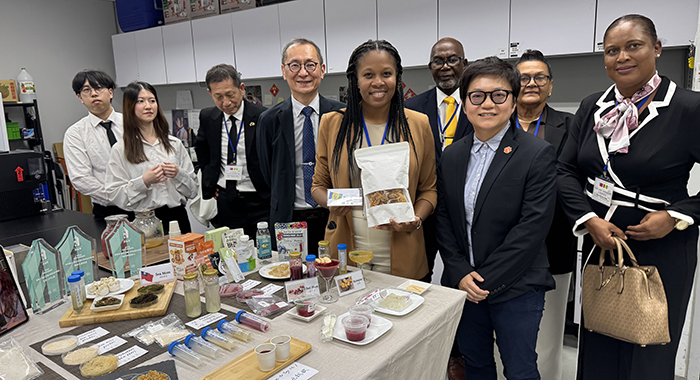
The government of St. Vincent and the Grenadines is pursuing targeted educational collaborations with Taiwan to address pressing national development needs, according to Senator Lavern King, Minister of State in the Ministry of Education. The initiative follows high-level discussions during an official delegation to Taiwan led by Deputy Prime Minister St. Clair Leacock.
Minister King identified pharmacology as a critical shortage area, noting that the cabinet routinely approves work permits for foreign pharmacologists due to insufficient local expertise. This skills gap was confirmed during recent consultations with the private sector, prompting the government to conduct a comprehensive audit of the nation’s current and future workforce requirements.
“We’re adopting a pragmatic and strategic approach to scholarship distribution,” King stated at a press conference in Kingstown. The government is specifically seeking expanded opportunities in digital transformation and innovation sectors, recognizing Taiwan’s global leadership in semiconductors and artificial intelligence.
A significant concern emerged regarding the return on investment for government-funded scholarships. Minister King revealed “a worrying trend” of scholarship recipients not returning home after completing their studies abroad. The delegation held frank discussions with Taiwan’s Ministry of Foreign Affairs about encouraging Vincentian students to return home.
The government is developing multiple strategies to reverse this brain drain, including exploring funding mechanisms through a proposed development bank to support graduate entrepreneurship. The approach connects educational opportunities with post-study employment prospects, addressing job security concerns that often prevent professionals from returning.
Deputy Prime Minister Leacock highlighted the broader challenge of “professional raiding” by wealthier nations offering competitive salaries in US dollars. This phenomenon creates significant attrition in key sectors, necessitating improvements in wages, working conditions, and professional motivation to retain skilled professionals.
The educational strategy emphasizes disciplined allocation of scholarships to priority fields rather than reducing opportunities in other areas. The government seeks to expand the total number of scholarships while ensuring they align with the nation’s developmental objectives across diverse sectors.