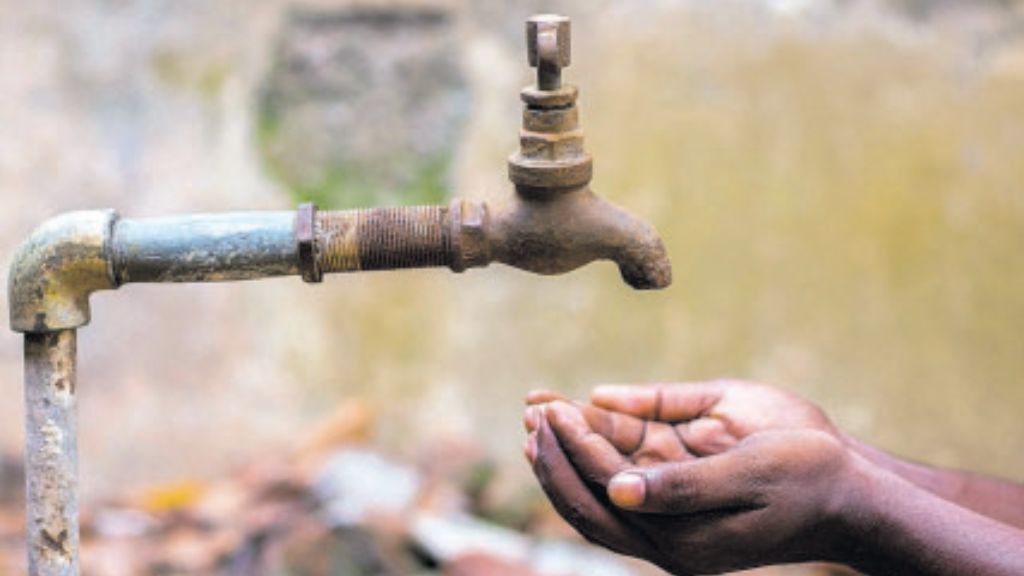
KINGSTON, Jamaica — The National Water Commission (NWC) has enacted stringent service restrictions for communities dependent on the Constant Spring System, implementing an alternating 12-hour water supply schedule effective immediately. This emergency measure responds to critically declining water levels at the Hermitage Dam, which continue to diminish despite recent rainfall and now approach the dangerous threshold of 65 percent capacity.
The NWC’s regulatory division has strategically segmented the Constant Spring network into two distinct operational zones. Upper Constant Spring encompasses areas situated above the Ministry of Justice, while Lower Constant Spring covers regions below this geographical marker.
According to the published timetable, upper sector communities including Duhaney Park, Patrick City, Pembroke Hall, and sections of Havendale and Meadowbrook will receive water provision from 6:00 pm to 6:00 am daily. Conversely, lower sector areas such as Half Way Tree, Hagley Park Road, Maxfield Avenue, and Cockburn Gardens will have access from 6:00 am to 6:00 pm.
Commission officials revealed that approximately 133 water supply systems across Jamaica currently demonstrate vulnerability to arid conditions, with potential for additional restrictions if hydrological conditions deteriorate further. Monitoring data indicates several systems are experiencing lower inflow rates compared to the same period last year, necessitating proactive conservation measures.
The Mona Reservoir system remains stable at approximately 85 percent capacity, allowing normal operations to continue for its service areas. The NWC urges affected residents to diligently observe the regulation schedule, implement water conservation practices, and store adequate supplies during their allocated service windows.
Recommended conservation measures include promptly repairing household leaks, installing water-saving devices, reusing grey water for non-potable purposes, and practicing continuous water preservation. The Commission maintains its commitment to ongoing system surveillance and will provide public updates as hydrological conditions evolve.