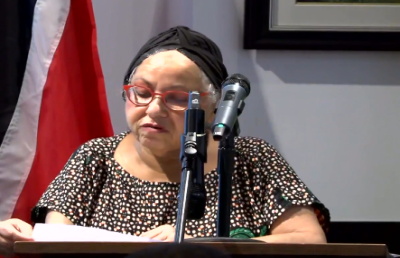
PORT OF SPAIN, Trinidad — Caribbean Community (Caricom) officials have declared micro-credentials a strategic imperative for regional development, positioning them as critical tools for addressing climate vulnerability, economic transformation, and skills mobility. The announcement came during the Commonwealth of Learning’s inaugural planning session for the Caricom Micro-Credentials Sub-Framework Development in Trinidad this Monday.
Alison Drayton, Assistant Secretary-General of Human and Social Development at the Caricom Secretariat, emphasized that these compact learning certifications represent more than educational innovation—they constitute a necessity for the region’s survival and progress. “Our ability to respond effectively to climate crises, build resilience, adapt infrastructure, and transition toward greener economies depends fundamentally on the skills of our people,” Drayton stated before delegates.
The framework under development addresses twin urgent realities: profound economic and social transformation driven by digitalization and climate vulnerability, and the corresponding need for education systems to demonstrate greater agility and relevance. Micro-credentials offer a pathway to redesign how learning is designed, delivered, and recognized across the Caribbean’s diverse education landscapes.
Drayton outlined four critical pillars for successful implementation: coherence and quality assurance to ensure credentials are credible and transparent; portability and regional recognition to facilitate labor mobility; responsiveness to labor market needs in emerging fields like renewable energy and climate-smart agriculture; and equitable access for marginalized populations including out-of-school youth, working adults, and rural communities.
The Assistant Secretary-General cautioned against fragmented regional adoption, emphasizing that the framework must balance national priorities with collective goals. “This consultation is not merely technical—it is foundational to building a new social compact around learning,” she concluded, acknowledging the technical working group’s diligent preparation of the draft framework.