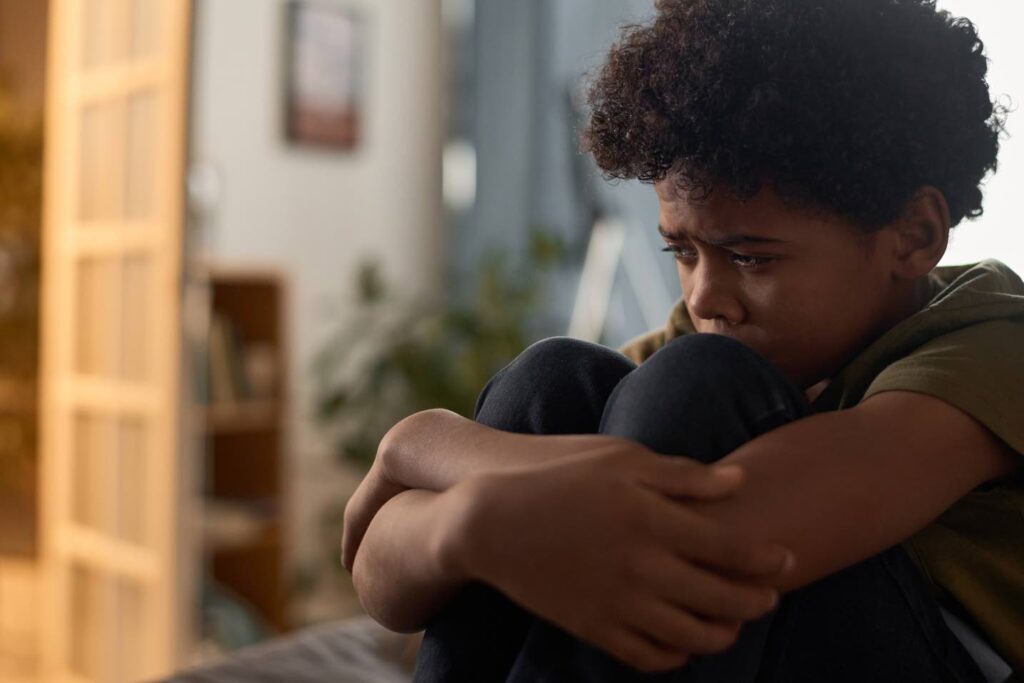
A Canadian mother’s relocation to Jamaica has unveiled disturbing allegations of systematic corporal punishment and financial extortion within the island’s educational institutions, triggering nationwide scrutiny of child protection policies. The anonymous parent reported both her sons—grades one and six—endured physical abuse from teachers including hitting with objects, pinching, slapping, and coercive monetary fines for minor classroom infractions.
The younger child developed severe anxiety requiring multiple school transfers within a year, each new environment replicating the same patterns of violence. Despite formal complaints to administrators, the mother observed diminishing responses, with teachers merely switching from objects to hands for physical discipline. One traumatic incident involved her son soiling himself after being denied bathroom access as retaliation for reporting abuse.
Jamaica’s Ministry of Education withheld comment pending verification, while the Child Protection and Family Services Agency (CPFSA) confirmed an ongoing investigation. The mother rejected cultural relativism arguments, emphasizing: “Schools should be safe havens for children who already face hardships at home.”
This case highlights Jamaica’s conflicted legal stance. While the 2004 Child Care and Protection Act prohibits cruelty, it doesn’t fully ban corporal punishment, particularly in homes. Though restricted in early childhood institutions and discouraged in public schools, no comprehensive legal prohibition exists. Prime Minister Andrew Holness first proposed amending the Education Act in 2017, with renewed commitments in 2024 through the National Violence Prevention Commission.
Statistical context reveals alarming trends: 698 physical abuse reports occurred in 2024’s first two months, continuing an upward trajectory from 3,405 incidents in 2023 to 3,792 in 2025.
UNICEF Jamaica reports 80% of children aged 1-14 experience violent discipline. Representative Olga Isaza recently emphasized: “Corporal punishment violates dignity and protection rights. Reducing national violence begins in homes and classrooms.” The National Parent-Teacher Association president Stewart Jacobs joined calls for immediate legislative action, stating: “Teachers should never lay hands on children. This cat must be belled.”
Both CPFSA and UNICEF advocate for positive parenting programs and non-violent disciplinary alternatives, underscoring Jamaica’s obligation under the UN Convention on the Rights of the Child to protect children from degrading treatment.