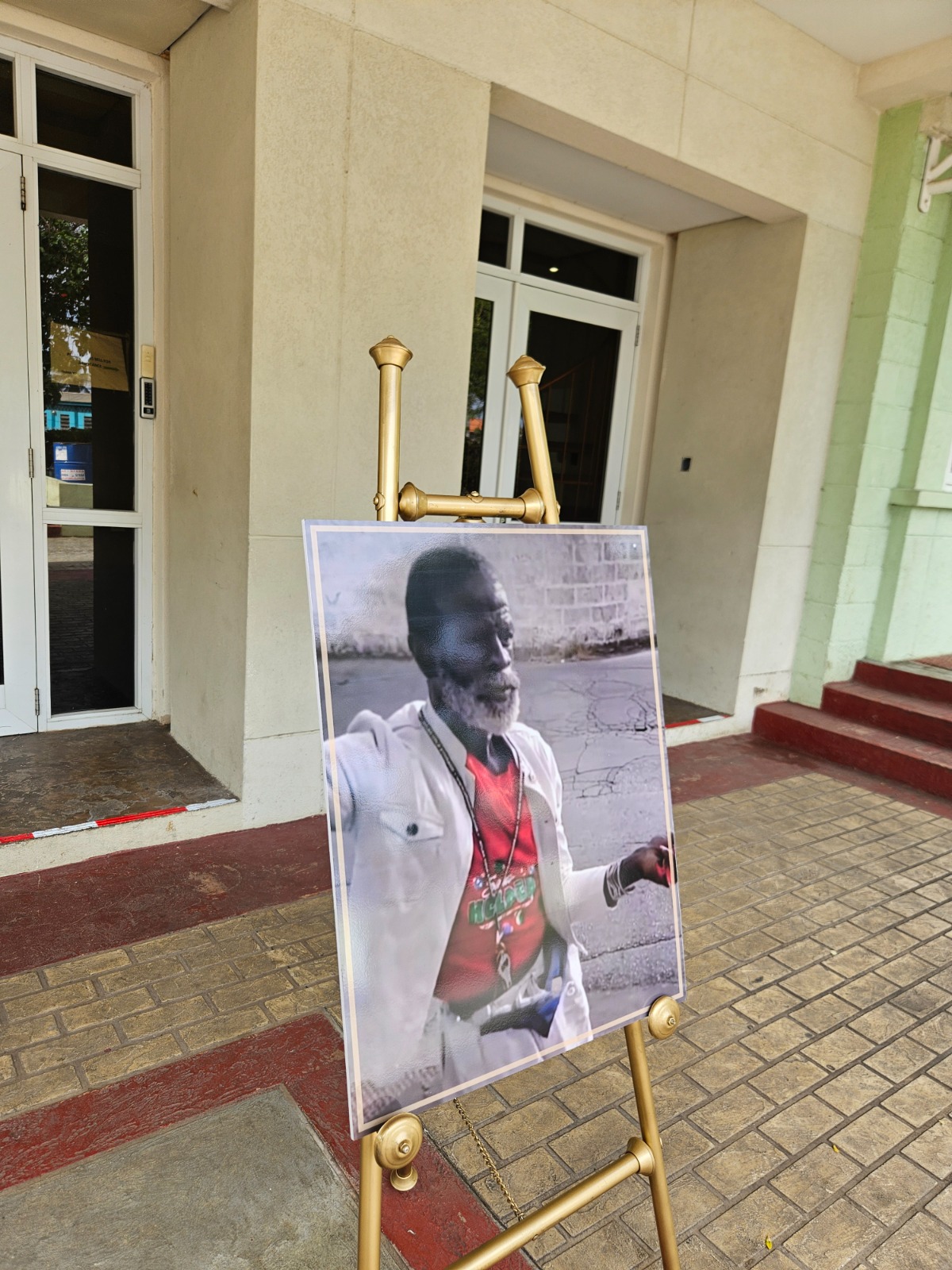
The Steel Shed at Queen’s Park transformed into a sanctuary of collective mourning Friday as Barbados paid final respects to Anthony Fitzpatrick Lynch, the legendary street personality celebrated island-wide as ‘Ninja Man’. Hundreds gathered in a powerful demonstration of how the unofficial ambassador of Bridgetown had permeated the nation’s identity.
For decades, Lynch’s presence near Parliament Buildings and the Treasury formed part of the capital’s essential character, captivating residents and visitors alike with his sharp wit and unyielding independence. Kemar Saffrey, President of the Barbados Alliance to End Homelessness, who knew Lynch through social outreach, distinguished between the public persona and the private individual. ‘In our settings, it was Anthony Fitzpatrick Lynch,’ Saffrey reflected, emphasizing the man behind the street character.
Saffrey recounted Lynch’s philosophical approach to his unconventional lifestyle: ‘He always said, ‘Look Marky, this is a decision I made… I don’t like to be confined. This is where I feel better and safer.” This narrative of deliberate choice echoed through the diverse assembly that included public officials, caregivers, and ordinary citizens whose lives he touched.
Sharon Bellamy Thompson, a cook at Bridgetown Fish Market whom Lynch affectionately called ‘Mommy,’ grappled with the suddenness of his passing. Her final interaction with him involved breakfast and a request for five dollars—a mundane moment now imbued with profound significance. ‘He had lots of sense and was a very good person,’ she noted. ‘He didn’t have to be on the streets, but that’s the life he chose.’
Beyond the humorous eccentricities that defined his public image, family members spoke of deeper struggles. His sister, Morell Thomas, acknowledged the complex emotions surrounding his death: ‘Today is very sad… but in essence, it is also knowing that he’s gone on to a better place. He’s not suffering the mental illness that plagued him every day.’
The substantial public turnout demonstrated Lynch’s extraordinary impact on Barbadian society. Saffrey observed that Lynch had, in his unique way, ‘brought the tourists to Barbados,’ serving as an authentic representation of the island’s spirit. The family expressed profound appreciation for the National Cultural Foundation’s support in facilitating the public viewing, providing closure to a community grieving an irreplaceable character.
As Barbados prepares for his final resting, Anthony Fitzpatrick Lynch will be remembered not merely as a homeless individual but as a man of agency who defined his own existence. ‘He is a gentleman that will be well missed,’ Saffrey concluded—a sentiment reverberating throughout the crowd honoring a true Bajan original.