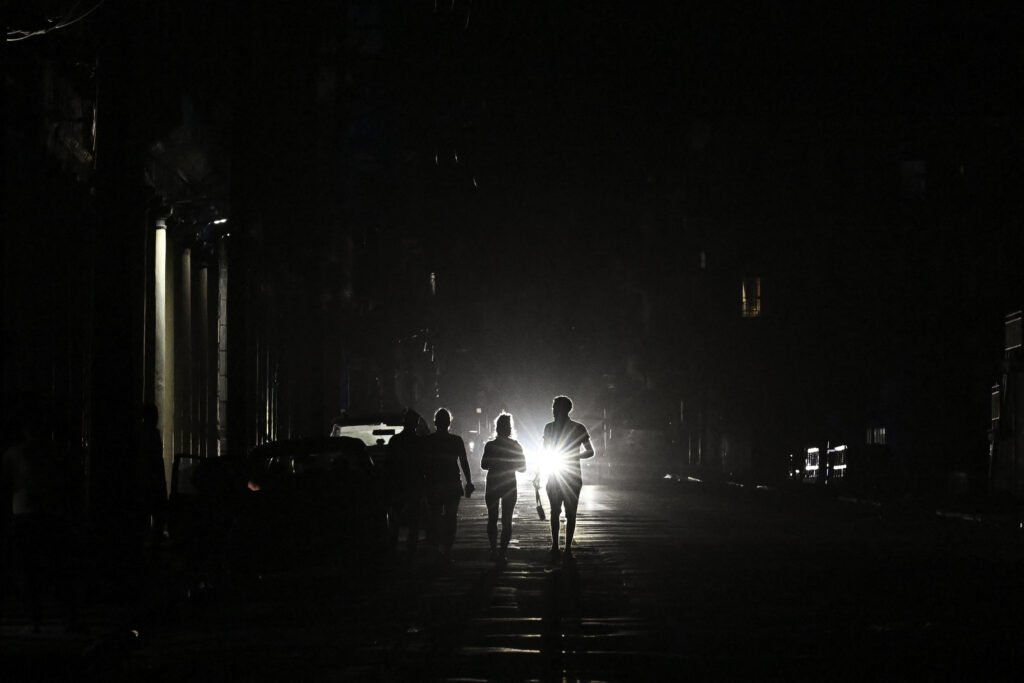
HAVANA, Cuba — For the second time in under a week, Cuba experienced a complete nationwide power outage on Sunday, plunging nearly 10 million citizens into darkness and exacerbating an already severe energy crisis. The blackout, attributed to the country’s aging electrical infrastructure and compounded by a stringent US oil embargo, represents the seventh total grid failure recorded since the beginning of 2024.
Authorities from the Ministry of Energy and Mines confirmed a ‘total disconnection’ of the national electric system on Saturday. By early Sunday, partial restoration efforts had begun, with power returning to certain districts of Havana while others remained without electricity. Minister Vicente de la O Levy announced via social media platform X that several key facilities, including a gas-fired power station near Havana, another in the resort town of Varadero, a central hydroelectric plant, and a unit at a thermoelectric facility, had been successfully brought back online.
The crisis has been severely intensified by a critical shortage of fuel. No oil imports have reached the island since January 9th, a direct consequence of the US blockade and President Donald Trump’s threats to tariff nations that engage in oil trade with Cuba. This fuel drought has not only crippled the power sector but also forced airlines to slash flights, dealing a devastating blow to the vital tourism industry. The situation deteriorated further following the capture of Venezuela’s Nicolas Maduro, Cuba’s primary regional ally and oil supplier, in a US military operation earlier this year.
Daily life for Cubans has become increasingly arduous. The frequent and prolonged blackouts raise fears of food spoilage in refrigerators and compound existing shortages of essential goods like medicine and food. These frustrations recently boiled over into rare public unrest, with demonstrators vandalizing a provincial office of the ruling Communist Party last weekend.
The timing of the latest blackout is particularly poignant, as it coincides with the arrival of an international humanitarian aid convoy. The aid shipment, which includes critically needed medical supplies, food, water, and solar panels, offers a glimmer of hope for a population grappling with a multifaceted economic and infrastructural collapse.