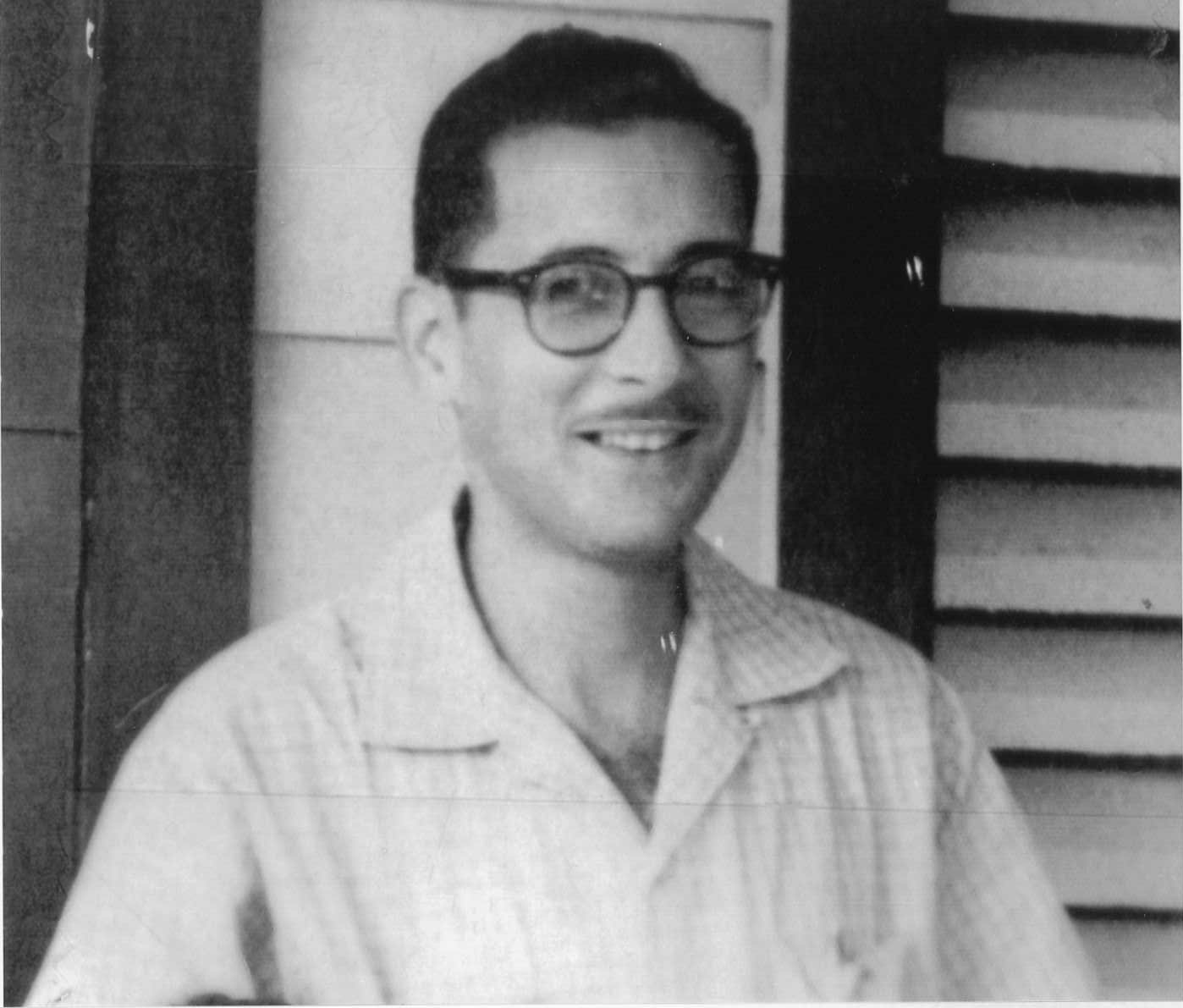
On the northern coastline of the Dominican Republic, the legacy of Dr. Alejo Martínez endures as a powerful testament to professional dedication intertwined with courageous political defiance. Operating from his medical practice in the municipality of Sosúa, Puerto Plata, Dr. Martínez earned profound respect through his unwavering commitment to community healthcare. However, his contributions extended far beyond the medical realm, positioning him as a pivotal figure in the nation’s struggle for democratic freedom.
During the oppressive regime of Rafael Leónidas Trujillo, Dr. Martínez joined the clandestine June 14 Movement (1J4), serving as the regional coordinator for the Sosúa area. This dual role as both healer and resistance fighter placed him in direct opposition to one of Latin America’s most brutal dictatorships. The political climate of the era was characterized by intense surveillance and violent suppression of dissent, creating enormous risks for those challenging the established power structure.
The regime’s persecution culminated on January 21, 1960, when security forces arrested Dr. Martínez alongside numerous fellow activists. Despite this incarceration, his commitment to democratic principles remained unshaken. Tragically, on August 14, 1961—mere months after Trujillo’s assassination—Dr. Martínez was assassinated at his Sosúa residence under circumstances directly linked to the ongoing persecution of political opponents.
Today, Dr. Martínez’s multifaceted legacy is permanently etched into the Dominican Republic’s historical narrative. His name graces streets and public spaces throughout Puerto Plata and Sosúa, serving as enduring symbols of professional integrity coupled with courageous civic engagement. He represents an entire class of professionals who leveraged their social standing to challenge authoritarianism, demonstrating that vocational excellence and political activism can converge in the defense of fundamental human rights.
Historical scholars now recognize Dr. Martínez’s story as emblematic of the broader resistance movement that ultimately contributed to the dissolution of Trujillo’s authoritarian apparatus. His sacrifice continues to inspire contemporary discussions about professional ethics, social responsibility, and the moral imperative to oppose oppression.