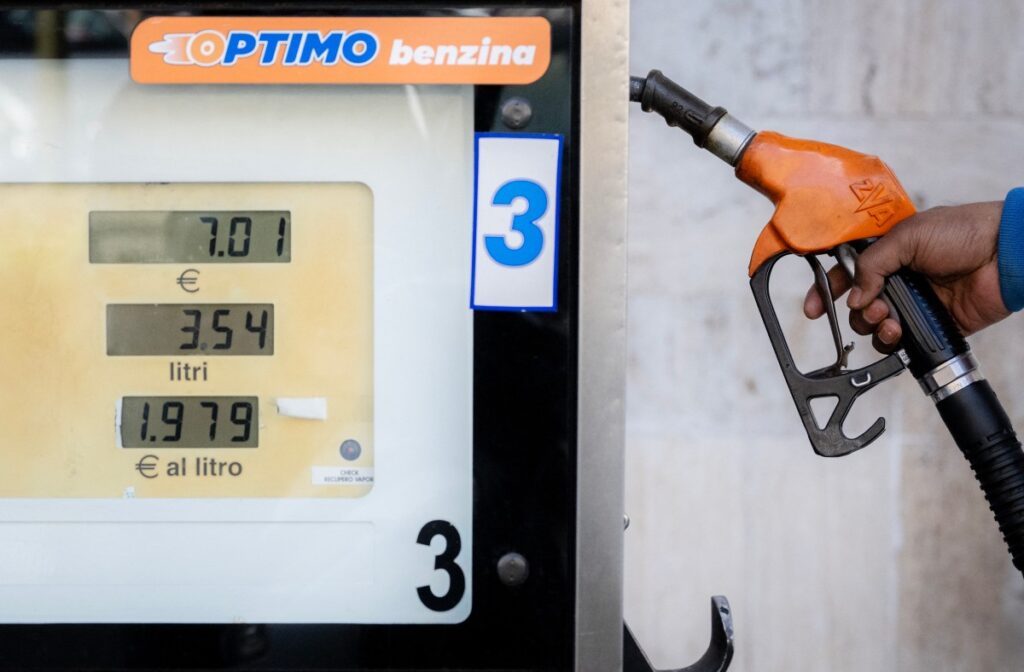
Global energy markets experienced severe volatility on Thursday following a significant military escalation in the Persian Gulf. Iranian forces launched a retaliatory strike against Qatar’s Ras Laffan complex, the world’s largest liquefied natural gas (LNG) facility, in response to an earlier Israeli attack on Iran’s South Pars gas field. The assault triggered immediate price surges, with Brent crude oil jumping 10% and European gas prices soaring 35% before partially retreating.
QatarEnergy confirmed substantial damage to multiple LNG facilities from two waves of Iranian strikes, reporting “sizeable fires and extensive further damage” to critical infrastructure. The attack represents a dangerous escalation in the ongoing conflict that began with US-Israeli strikes against Iran on February 28.
Former US President Donald Trump issued a stern warning to Tehran, threatening that the United States would “blow up” Iranian gas fields if attacks on Qatari energy infrastructure continued. However, Trump notably distanced Washington from the initial Israeli strike on South Pars, claiming the US had no prior knowledge of the operation.
Iran’s military command responded with defiance through the Fars news agency, characterizing the South Pars attack as a “major mistake” and vowing complete destruction of regional energy infrastructure if provoked further. The situation prompted urgent international diplomatic responses, with French President Emmanuel Macron condemning the “reckless escalation” and warning of “lasting impact” if energy production capacities are destroyed.
Gulf nations expressed grave concerns about the regional fallout. The United Arab Emirates declared energy infrastructure targeting a “direct threat to global energy security,” while Saudi Arabia reserved the “right to take military actions” following repeated missile and drone attacks on its facilities.
The conflict has already disrupted global energy flows, with tanker traffic through the Strait of Hormuz—normally handling 20% of world oil and LNG—brought to a near standstill. This has triggered fuel shortages across Asia, causing long queues at petrol stations and prompting some nations to implement four-day work weeks. Businesses worldwide are feeling the impact, with reports of fuel costs increasing by over 33% in some regions.
Despite the escalating conflict, daily life in Tehran showed surprising normalcy on the eve of Nowruz (Persian New Year), though security presence was noticeably enhanced. The conflict has reportedly claimed over 3,000 lives in Iran according to US-based rights groups, though this figure remains unverified.
Analysts note growing strategic divergences between the US and Israel, with commentators describing the campaign as “drifting into a war of attrition” lacking “strategic clarity, long-term planning, and a defined end state.” US Defense officials acknowledged there is no specific timeframe for ending the conflict, stating operations would continue until presidential objectives are achieved.