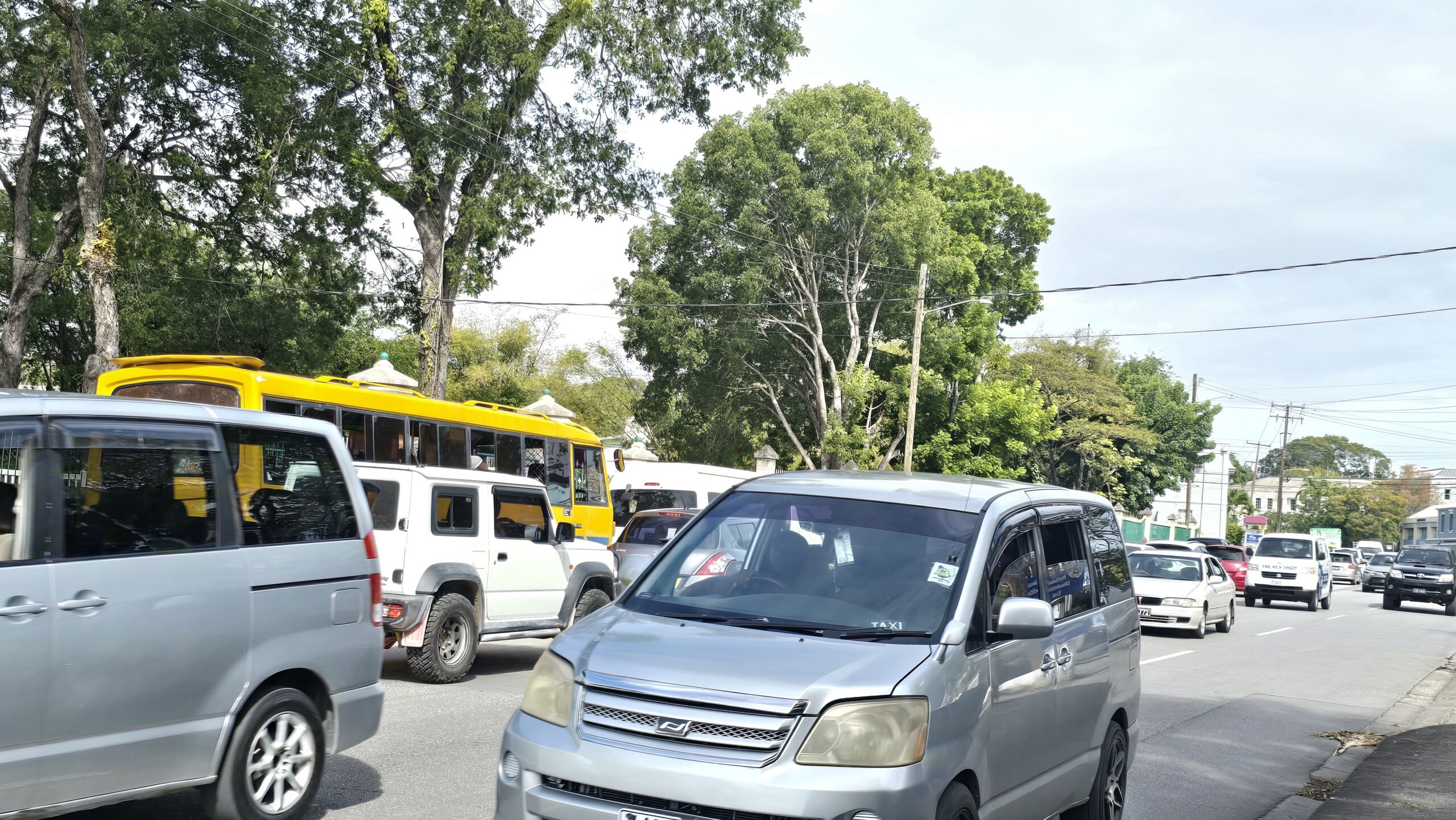
Barbados faces a critical infrastructure crisis as severe traffic congestion threatens to undermine its thriving tourism industry and national productivity, according to a stark warning from the island’s top tourism official. Javon Griffith, Chairman of the Barbados Hotel and Tourism Association (BHTA), issued an urgent call for national intervention to address what he described as “unacceptable” transportation challenges that have escalated from peak-hour inconveniences to island-wide daily obstacles.
Speaking from both professional and personal perspectives as a northern resident, Griffith detailed how the deteriorating traffic situation has created operational disruptions across the tourism sector. “The commute from St Lucy to St Michael has become highly unpredictable and, in many cases, unmanageable,” he revealed, noting that many drivers now must divert through alternative routes never designed for such traffic volume.
The congestion produces tangible consequences for tourism businesses, including increased staff lateness, operational delays, and mounting frustration among employees striving to maintain the island’s renowned service standards. Griffith emphasized that these transportation challenges directly impact the visitor experience that Barbados has built its reputation upon.
To combat the gridlock, the tourism leader proposed a comprehensive modern traffic management plan featuring multiple strategic components: a serious review of traffic flow patterns, enhanced transport planning methodologies, targeted road infrastructure improvements, and greater integration of technology for efficient vehicle movement management.
“The status quo is no longer sustainable,” Griffith asserted. “If we are to continue growing our tourism sector, improving national productivity, and enhancing quality of life, then resolving our traffic challenges must become a national priority.”
The infrastructure concerns emerge following a record-breaking year for Barbadian tourism. In 2025, the island welcomed over 729,000 long-stay visitors, surpassing previous records driven by substantial growth from key markets including the United States (8.1% increase), Canada, and CARICOM nations. This tourism boom has contributed to reducing unemployment to a historic low of 6.1%.
Despite these achievements, Griffith expressed cautious optimism for 2026, citing significant private sector investments including the upcoming June opening of Royalton Vessence Barbados and the recent soft launch of Hotel Indigo in Bridgetown. Enhanced air connectivity also promises increased capacity, with Aer Lingus commencing direct Dublin service and British Airways deploying larger Airbus A350-1000 aircraft on its London Heathrow route.
While acknowledging supportive government measures such as extended Tourism Development Act concessions and VAT reductions in the 2026 Budget, Griffith warned against complacency. “In tourism, comfort is often the first step towards decline,” he cautioned. “This is a time for clarity of purpose, decisive action, and above all, leadership that is bold and collaborative.”