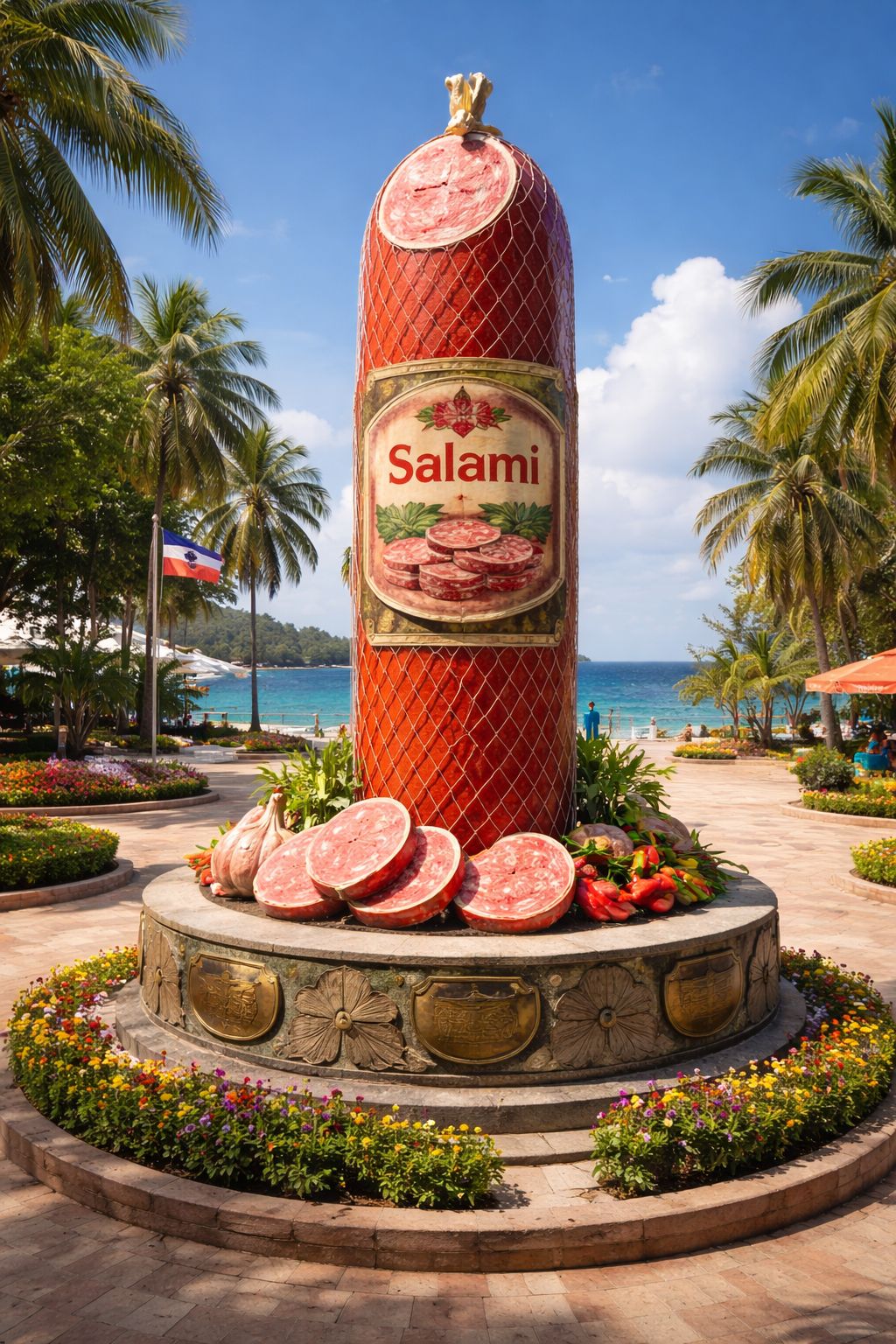
A controversial proposal to erect a monument dedicated to salami in the Dominican municipality of Sosúa has ignited vibrant community discourse and historical reflection. The initiative, originally put forward by communicator Leo Cámara, aims to honor both the iconic culinary product and the Jewish refugees who introduced it during the 1940s.
Historical records indicate that Jewish families fleeing Nazi persecution in Europe brought advanced agricultural and food production techniques to the Puerto Plata region. Their settlement in Sosúa during World War II catalyzed transformative development projects in agriculture, livestock, and food processing. Among their enduring contributions was the introduction of salami, which has since evolved into a cornerstone of Dominican gastronomic identity.
The proposed monument would serve dual purposes: commemorating the Jewish community’s substantial impact on the area’s economic and cultural development, and recognizing their remarkable story of resilience and renewal. Supporters argue that such a memorial would symbolize how displaced refugees rebuilt their lives through dignified labor while contributing significantly to local industry.
Tourism considerations form another dimension of the proposal, with advocates suggesting the monument could enhance Sosúa’s historical appeal while educating visitors about this unique chapter in Dominican history. The concept remains under active public deliberation as community members weigh its potential to strengthen regional identity and honor cross-cultural heritage.