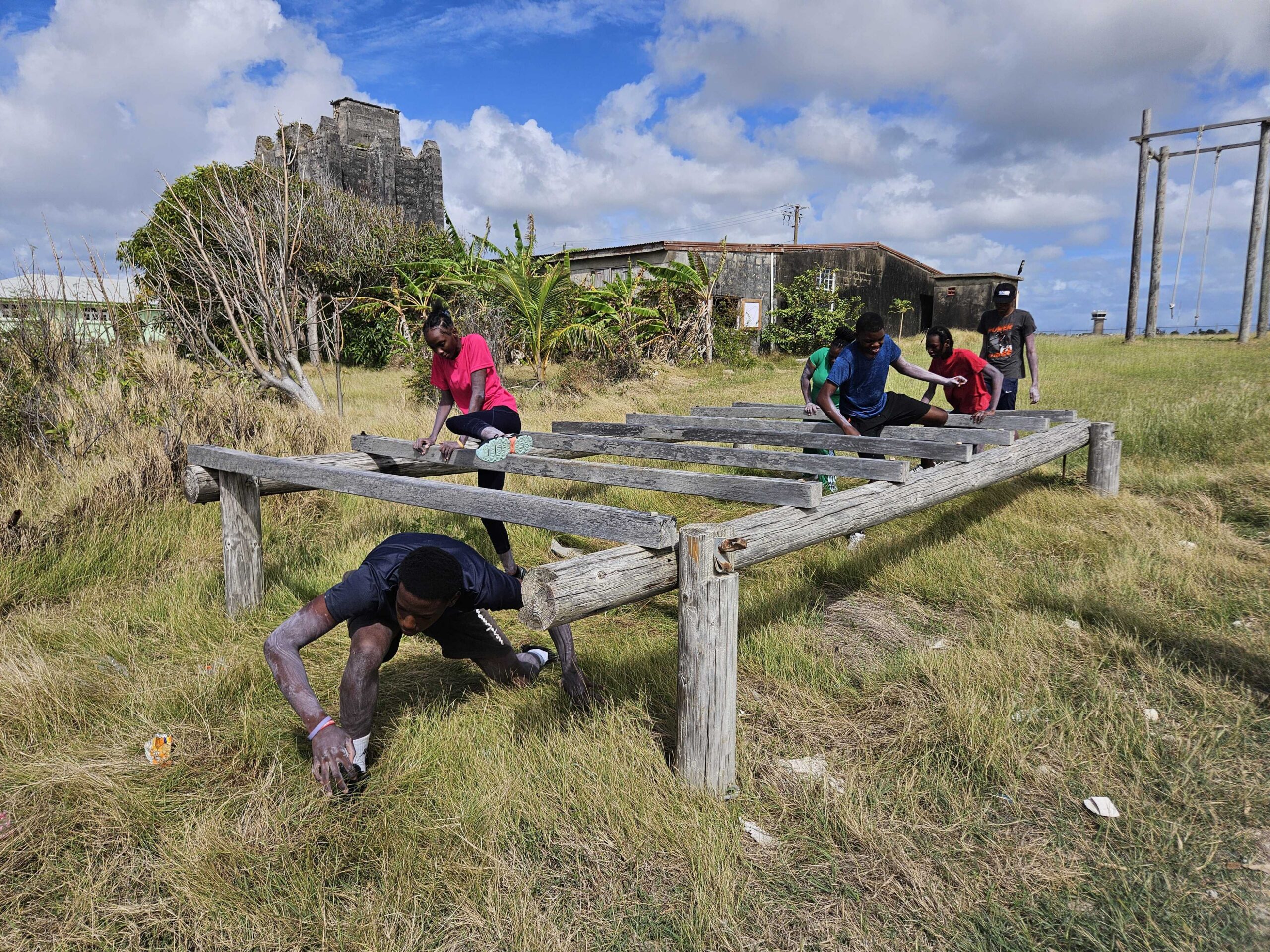
In an innovative approach to youth development, Barbados Police Service is leading a transformative program that guides young individuals toward education and employment through rigorous physical and mental challenges. The King’s Trust International Team Programme, currently engaging 56 participants, employs demanding activities specifically designed to build resilience, discipline, and essential life skills.
Sergeant Roger Williams, program coordinator within the Community Policing Department, detailed the comprehensive curriculum that includes survival drills at sea, obstacle courses, and wilderness hikes conducted at the Regional Police Training Centre in Christ Church. These residential components intentionally push participants beyond their comfort zones to develop mental fortitude and teamwork capabilities.
The program targets youth aged 16-25, focusing on three core pillars: personal development, employability skills, and social responsibility. Since its local inception in 2016, the initiative has achieved remarkable results with 776 participants completing the program. Notably, 13 graduates have joined the Barbados Police Service ranks, while three others are currently undergoing police training.
Williams emphasized that the program doesn’t exclusively target troubled youth but welcomes participants from all socioeconomic backgrounds. “We deem everyone to be at risk in some capacity,” Williams explained. “It’s fundamentally a self-development course that benefits youth from all walks of life.”
The 12-week curriculum combines community projects, classroom sessions, and work placements that expose participants to potential career paths while strengthening critical skills including self-confidence, leadership, teamwork, and emotional management. The program boasts a global success rate of 75% positive outcomes, with participants typically securing employment, returning to education, or engaging in community service.
Community policing officers actively identify potential candidates during their patrols, while program alumni frequently serve as ambassadors by recommending friends and relatives who could benefit from the transformative experience. Williams highlighted that environmental factors play a crucial role in youth development, stating: “Environment is everything. Placing young people in positive environments can significantly influence their future trajectory.”
The most rewarding aspect for organizers remains witnessing participants from challenging backgrounds redirect their lives toward positive societal contributions, demonstrating the program’s profound impact on Barbados’ youth development landscape.