The Middle East conflict entered a dangerous new phase on Thursday with multi-front military engagements and significant geopolitical ramifications. Israeli forces conducted targeted strikes against Basij paramilitary checkpoints in Tehran, explicitly aiming to disrupt the Iranian Revolutionary Guards’ operational control. Concurrently, Israel expanded its offensive in Lebanon, advancing beyond the Zahrani River while issuing evacuation orders to civilians. Beirut sustained continued bombardment, with AFPTV footage documenting dark smoke rising over the Bashoura district.
Iran’s leadership demonstrated unwavering resolve, with Security Chief Ali Larijani vowing on social media platform X that combat operations would continue until the United States expressed remorse for its military actions. New Supreme Leader Mojtaba Khamenei reinforced this stance by ordering the continued closure of the strategically vital Strait of Hormuz while urging regional powers to shutter American military installations.
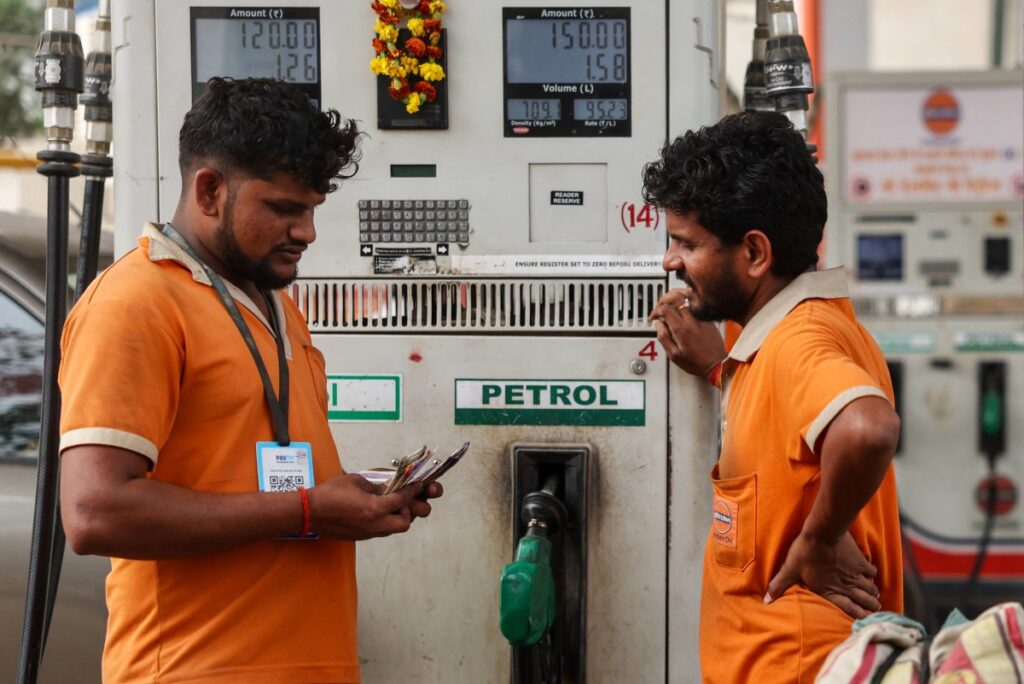
The economic consequences reached critical levels as the International Energy Agency declared the conflict has created “the largest supply disruption in the history of the global oil market.” Current production deficits exceed 8 million barrels of crude oil daily, with an additional 2 million barrels of petroleum products offline, primarily due to Iran’s stranglehold on regional supply routes.
Humanitarian concerns mounted as the UN refugee agency reported approximately 3.2 million internally displaced persons within Iran since hostilities began nearly two weeks ago. Lebanese authorities reported rising casualties, with at least 687 fatalities recorded since March 2 following a seafront strike in Beirut that killed eight civilians.
The International Maritime Organization announced emergency talks to address shipping security threats, particularly in the Hormuz Strait, where the US military acknowledged insufficient resources to escort tankers through the critical waterway. Despite the escalating crisis, President Trump prioritized nuclear non-proliferation over oil market stability in his public statements.