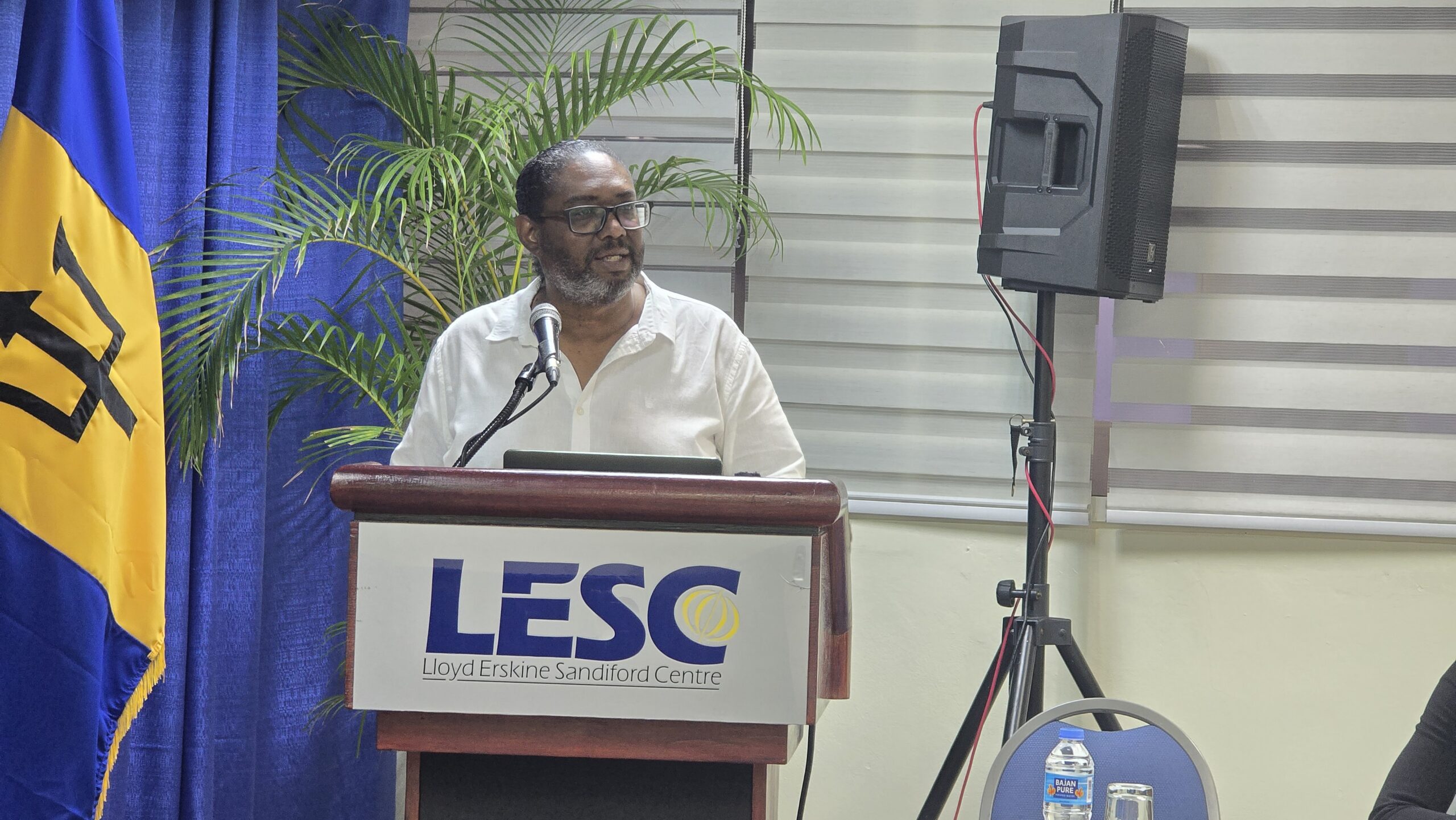
Barbados is accelerating its transition toward a comprehensive sustainable mobility framework as government and private sector leaders converge to address the island’s escalating traffic congestion and emissions concerns. The Lloyd Erskine Sandiford Centre hosted a pivotal workshop titled ‘Mobilising Climate Finance: Sector Prioritisation and Validation,’ bringing together energy experts, transportation officials, disability advocates, and business representatives to forge coordinated solutions.
This gathering represents the fourth installment in a series of climate finance workshops conducted under the groundbreaking Roofs to Reefs programme. Ricardo Marshall, Director of the programme within the Prime Minister’s Office, emphasized that sustainable mobility extends far beyond mere vehicle electrification. He characterized it as “an interconnected, complex system that requires coordinated, multi-sectoral action across infrastructure, technology, behaviour and policy.”
The vision encompasses intelligent transportation networks designed to optimize traffic flow, urban planning prioritizing pedestrian safety and accessibility, reliable integrated public networks, and cultural shifts toward shared mobility options. Marshall stressed that the ultimate objective involves creating “safe, efficient, low-carbon, equitable transport systems which serve all members of the public regardless of age, gender, ability, income or location.”
Dr. Danielle Evanson, Programme Coordinator of Roofs to Reefs, revealed that decarbonizing Barbados’ transportation sector may require approximately $17 billion in investments to achieve the nation’s ambitious net-zero emissions target by 2035. The workshop focused on identifying key industry drivers, articulating a clear sustainability vision, and exploring potential financing mechanisms aligned with the Mission Barbados roadmap released in December 2023.
The transformation strategy employs a three-pronged approach: reducing travel demand through improved urban design, shifting transportation toward more efficient modes including buses and active transport like cycling, and improving vehicle technology through electric adoption and cleaner energy sources. This comprehensive framework is supported by multiple national policies including the National Energy Policy (2019), Physical Development Plan (2023), and Plan for Investment in Prosperity and Resilience (2024), which collectively advocate for increased electric vehicle infrastructure, reduced per capita vehicle ownership, and enhanced multimodal transportation networks.
Despite these coordinated efforts, Dr. Evanson acknowledged persistent policy conflicts that must be resolved, particularly regarding integrated transport systems and multimodality implementation that still face implementation challenges.