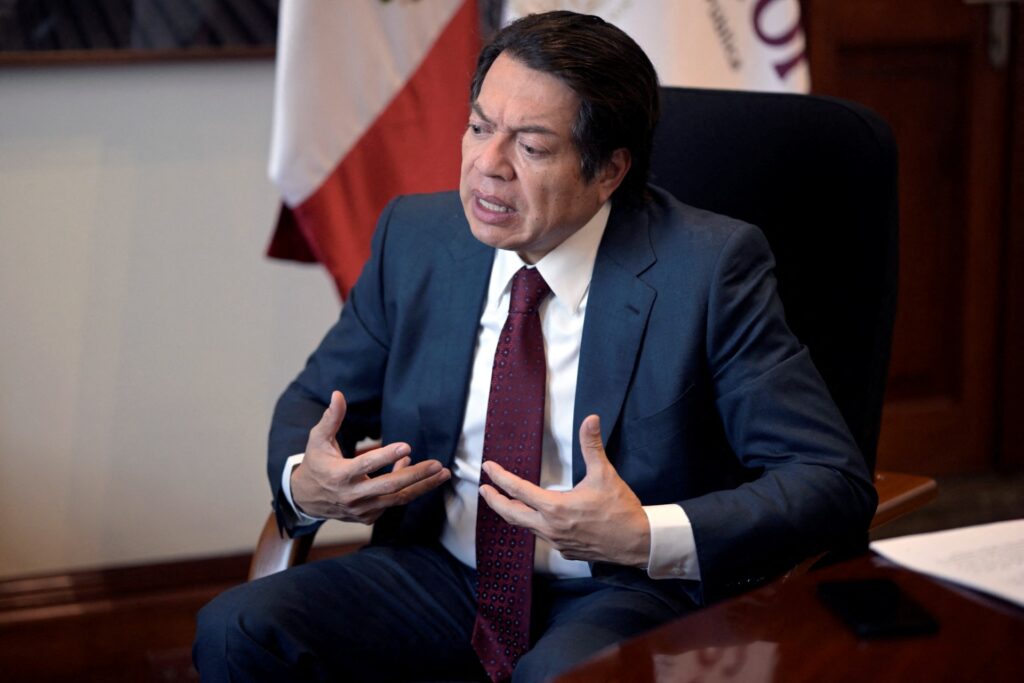
MEXICO CITY — Mexican education authorities are actively developing regulatory proposals to restrict social media access for minors, mirroring Australia’s stringent approach to digital child protection. Public Education Secretary Mario Delgado confirmed to AFP that the government has initiated comprehensive consultations with civil society groups, targeting June for formal proposal development.
This move aligns with a growing international trend where nations including France, Britain, Spain, Denmark, India, Indonesia, and Portugal are implementing or considering similar age-based social media restrictions. Australia’s December 2023 mandate requires major platforms like TikTok, YouTube, and Snapchat to remove under-16 accounts under threat of substantial penalties, while France recently approved legislation banning social media for under-15s.
Delgado emphasized the state’s fundamental responsibility in minor protection and education, stating: “What Meta, Facebook and TikTok are interested in is having followers, and there are no filters on content that could affect children’s emotional health.” He specifically cited concerns about minors’ exposure to violent material, pornography, and cyberbullying through unrestricted platform access.
However, the secretary stressed that effective regulation must originate “from the grassroots, from the lived experiences of parents, different communities and teachers” rather than top-down imposition. The consultation process aims to establish boundaries through collaborative input rather than prohibition, with tech companies also participating in discussions to foster “responsible, critical and conscious” digital citizenship.
Australian officials report their restrictions have already yielded positive outcomes including reduced cyberbullying incidents and improved student concentration in educational settings. While Delgado expressed personal approval of Australia’s model and acknowledged the parental challenges of limiting social media use, Mexico currently isn’t considering Brazil-style classroom smartphone bans that prohibit non-emergency device use in schools.