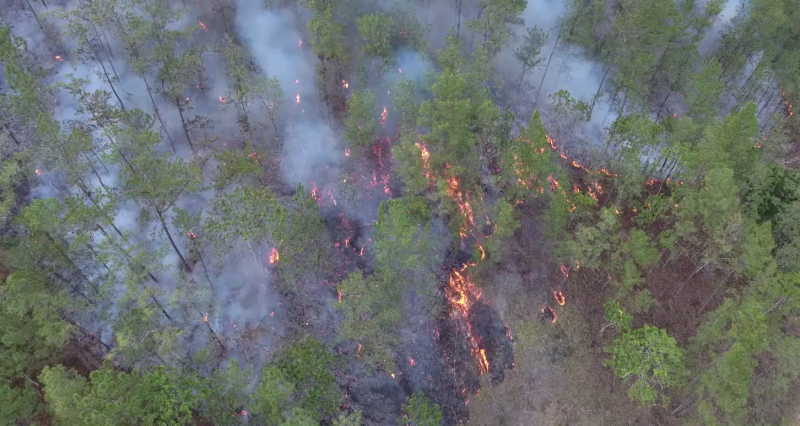
A stark new analysis of government data reveals the Dominican Republic is experiencing a severe and accelerating wildfire crisis, mirroring a troubling global pattern identified by the World Resources Institute. The nation has witnessed a dramatic 57% increase in forest fires, with 2,558 incidents recorded between 2020 and 2025 compared to 1,630 in the preceding six-year period (2014-2019).
Geospatial analysis pinpoints La Vega province as the nation’s wildfire epicenter, reporting 492 incidents over the last five years. Within this region, the municipalities of Constanza and Jarabacoa are persistently the most affected, appearing in fire reports nearly every month of every year. The crisis extends beyond La Vega, with the provinces of Dajabón, Santiago, and Santiago Rodríguez each reporting over 200 fires in the past six years. The border municipality of Restauración (Dajabón) exhibits one of the highest incident densities, frequently reporting multiple fires within short timeframes, often alongside neighboring areas like Loma de Cabrera.
While frequency is concentrated in the north, the most severe fires in terms of land area consumed have ravaged the south. The province of Pedernales suffered the single most devastating fire of the period in January 2022, which devoured approximately 1,300 acres. San Juan province ranks second for area impacted, enduring a series of catastrophic blazes in 2023 and 2024, including two fires just two days apart in March 2023 that torched a combined 120,000 acres. Azua province also experienced extreme severity, with a single fire in March 2023 affecting over 1,000 acres in the municipality of Padre Las Casas.
The year 2023 emerged as the peak of the crisis with 873 fires, more than any other year in the dataset. A critical finding is the concentration of these disasters in the year’s first quarter. The months of March and April 2023 alone accounted for 492 fires, representing over half of the year’s total. This period aligns with the annual peak of drought conditions and agricultural land preparation, where daily fire counts can exceed 15 simultaneous events across the country.
The data, sourced from the Ministry of Environment and Natural Resources via the Government’s Open Data portal, details the date, location, and scale of each fire from January 2014 to December 2025 but does not specify causes or origins. As these intensifying wildfires contribute to global forest loss, their impact extends beyond biodiversity loss to include the destruction of homes, infrastructure, and widespread pollution of ecosystems.