The Barbados Ministry of Education Transformation’s announcement of universal free breakfast for primary school students has received qualified endorsement from the nation’s two largest labor unions, though both organizations have sharply criticized the government’s failure to consult them before making the policy public.
The National Union of Public Workers (NUPW) and Barbados Union of Teachers (BUT) expressed support for the program’s nutritional objectives while raising significant operational concerns. Both unions revealed they learned about the initiative through media reports rather than official channels, despite the policy’s potential impact on their members’ working conditions.
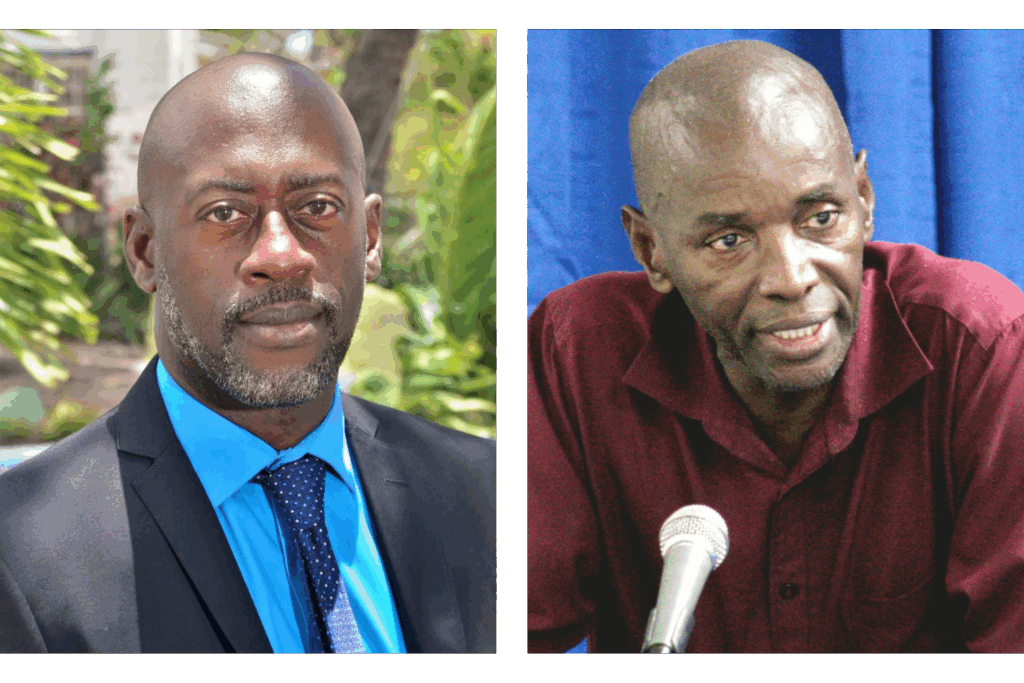
NUPW Deputy General Secretary Wayne Walrond confirmed his organization received no prior communication from education authorities. “I can tell you I’m not aware of any discussion held with the union. I heard these things in the media,” Walrond stated, emphasizing the lack of details regarding implementation plans or workforce involvement.
BUT President Rudy Lovell similarly reported no pre-announcement consultation, raising practical questions about program execution. “If breakfast is to be served before the official start of the school day, who will be responsible for supervising students during this period?” Lovell questioned, highlighting concerns about potential additional responsibilities for teaching staff without adequate support.
Both union leaders stressed that proper consultation represents a fundamental principle of sound industrial relations, particularly for policies affecting working conditions. Walrond noted that decisions involving student populations inevitably impact non-student workers, making representative engagement essential.
Lovell warned that insufficient staffing could create undue strain on educational personnel, stating: “Without additional staffing, there is a risk of placing undue strain on teachers, administrative staff, and ancillary workers.” He called for clarity on whether dedicated personnel would be assigned or if existing staff would assume additional duties.
The concerns extend beyond union leadership, with reports indicating that school meals workers themselves remain uninformed about implementation details. Some workers confirmed they await guidance from management regarding the program’s rollout.
Education Minister Chad Blackman announced the program at Wednesday’s Childhood Obesity Prevention Youth Health Summit, revealing that all primary school students will receive free breakfast beginning September 2026. The initiative forms part of the government’s education transformation agenda, addressing observations that up to one-quarter of students begin school without eating, adversely affecting concentration and learning outcomes.
In response to mounting concerns, the ministry issued a Thursday night statement promising “strategic stakeholder consultations in the coming months” involving workers’ unions, teachers, administrators, and parent representatives. The department committed to carefully designing implementation systems and logistics.
Despite current tensions, BUT President Lovell expressed willingness to collaborate, describing the program as a “significant and commendable investment” in children’s wellbeing. “With proper planning, consultation, and resource allocation, this initiative can become a transformative measure,” Lovell stated, acknowledging research demonstrating improved educational outcomes for students who begin their day with nutritious meals.