In a decisive move to ensure safety for the FIFA World Cup, Mexican authorities announced a massive security deployment of nearly 100,000 personnel across three host cities. The comprehensive security plan comes amid heightened concerns following recent cartel violence that erupted in Guadalajara after the death of notorious drug lord Nemesio “El Mencho” Oseguera, leader of the Jalisco New Generation Cartel (CJNG).
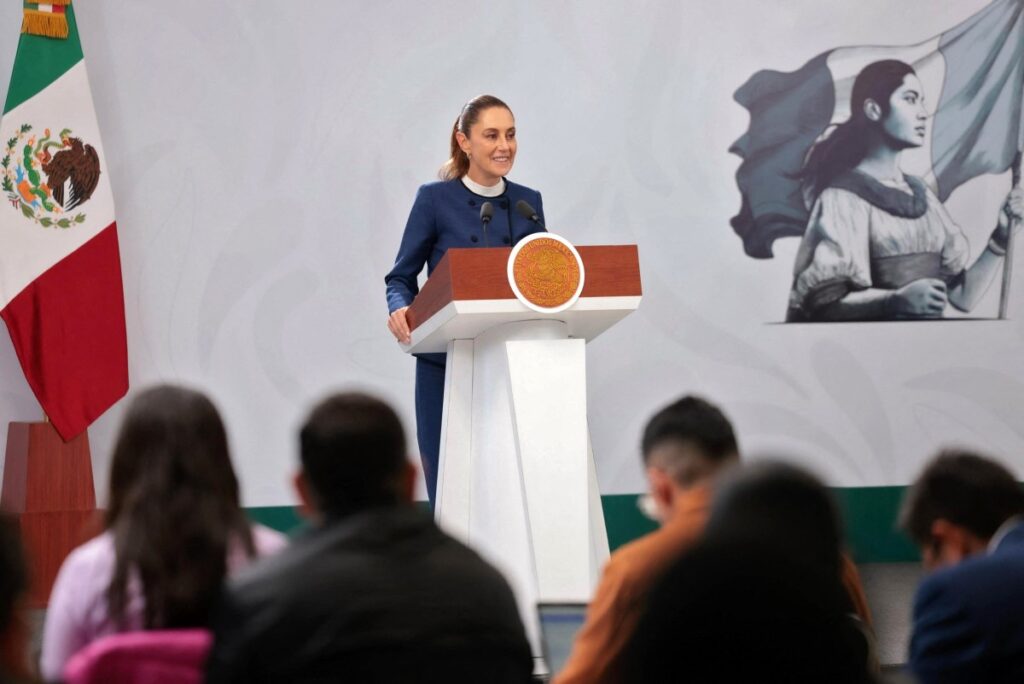
President Claudia Sheinbaum unveiled “Plan Kukulkan” – named after the Mayan serpent deity – at a military base in Zapopan, near Guadalajara, which witnessed significant violence following the February 22nd military operation that killed Mexico’s most-wanted criminal. The security blueprint covers not only the host cities of Guadalajara, Mexico City, and Monterrey but also nearby tourist destinations.
General Román Villalvazo Barrios, head of Mexico’s World Cup coordination center, detailed the security architecture comprising 20,000 military personnel, 55,000 police officers, and additional private security contractors. The operation will deploy sophisticated resources including 2,500 vehicles, 24 aircraft, anti-drone systems, and explosive-detection canines.
Despite the recent violence that saw cartel members block roads across 20 states and torch vehicles following Oseguera’s death, both FIFA and Mexican officials maintain the tournament will proceed securely. The violence resulted in over 70 casualties during operations against CJNG, but Mexico City and Monterrey remained unaffected.
FIFA President Gianni Infantino expressed confidence in Mexico’s security preparations, stating he felt “very reassured” about the hosting arrangements. The tournament, co-hosted with the United States and Canada from June 11 to July 19, will feature 13 matches across the three Mexican cities, beginning with the opening game at Mexico City’s Azteca Stadium.