In a significant modernization effort, the Frank Walcott Labour College has initiated a comprehensive strategic planning program to fundamentally transform how the Barbados Workers’ Union (BWU) prepares its shop stewards for contemporary workplace challenges. This initiative represents a paradigm shift from reactive, occasional training sessions to a continuous, structured developmental framework designed to meet the complexities of today’s rapidly evolving labor environment.
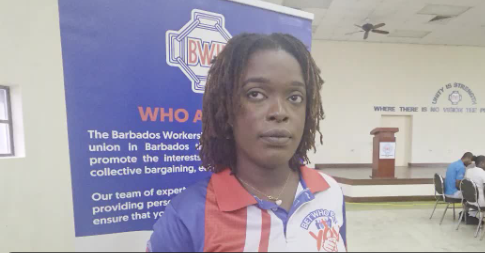
The BWU has partnered with the government’s workforce development program, bringing together union representatives for a collaborative planning exercise. Speaking at the union’s Harmony Hall headquarters, Senator Roshanna Trim, BWU Training and Education Co-ordinator, emphasized that technological advancements and evolving labor legislation have created an increasingly complex industrial relations landscape requiring stewards to develop multidimensional capabilities.
Senator Trim elaborated that modern shop stewards must extend beyond traditional grievance management to interpret sophisticated legislative frameworks, navigate changing organizational cultures, and engage constructively with management in digitalized work environments. “The future of labor representation demands leaders who are not only knowledgeable about established processes but also adaptable, strategically minded, and technologically aware,” Trim stated, characterizing the initiative as “a deliberate strategic intervention to ensure we remain fit for purpose.”
A cornerstone of this educational transformation involves enhanced collaboration with the National Transformation Initiative (NTI). Rafael Saul, NTI Assistant Director, participated in the planning session to announce the relaunch of the “BWU Hub”—a dedicated digital platform providing stewards with direct access to curated professional development courses. These resources emphasize “success skills” including emotional intelligence, advanced communication techniques, negotiation strategies, and leadership development to complement technical training.
“We aim to empower shop stewards to become exceptional representatives and ambassadors who can bring these upskilling opportunities back to their respective organizations,” Saul explained.
The college is adopting an inclusive approach, actively soliciting honest feedback from shop stewards to shape the future curriculum. By centering workers in the planning process, the BWU intends to create a sustainable leadership cultivation roadmap that maintains the union’s relevance as a worker-focused organization in an era of unprecedented workplace transformation.