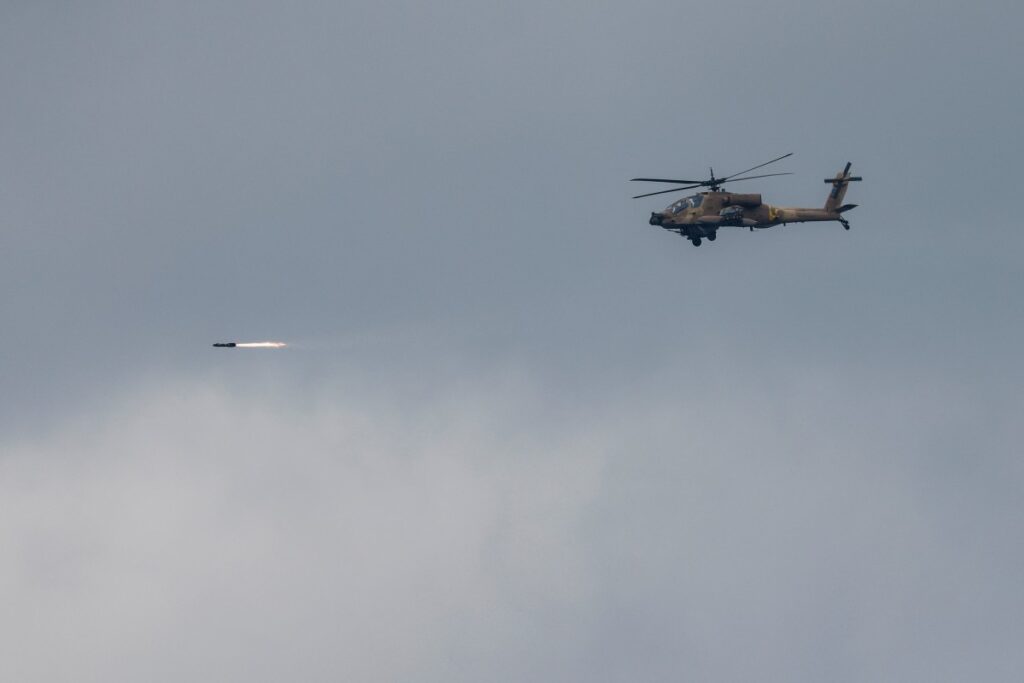
The ongoing conflict in the Middle East has intensified, triggering a complex web of international responses and escalating regional tensions. In a significant development, Turkish officials confirmed that a ballistic missile launched from Iran was intercepted and destroyed by NATO air defense systems after it entered Turkish airspace via Iraq and Syria. The Turkish defense ministry did not disclose the missile’s intended target, though the incident occurred amid Iran’s retaliatory strikes across the region following U.S. and Israeli operations against Iranian targets last Saturday.
U.S. President Donald Trump expressed strong confidence in military progress, claiming during a meeting with technology executives that operations were exceeding expectations. Meanwhile, a diplomatic rift emerged between the U.S. and Spain as Madrid forcefully denied White House claims about cooperation regarding American bases in Spain, with Spanish Foreign Minister Jose Manuel Albares maintaining the country’s opposition to using its facilities for actions against Iran.
The humanitarian toll continued to mount as Lebanese authorities reported 72 fatalities and over 83,000 displaced persons resulting from Israeli strikes on Lebanon. These operations came in response to rocket and drone attacks by Hezbollah, the Iran-backed militant group.
China announced it would dispatch a special envoy to mediate the escalating crisis, with Foreign Minister Wang Yi reiterating Beijing’s support for Iranian sovereignty while urging de-escalation from the U.S. and Israel. Concurrently, the White House indicated that President Trump is considering potential U.S. involvement in post-conflict Iran following the conclusion of current military operations.
Regional powers Qatar and Turkey expressed growing frustration with Tehran. Qatar’s Prime Minister accused Iran of attempting to drag neighboring nations into the conflict, while Turkey summoned the Iranian ambassador after a missile landed on Turkish territory, apparently targeting a base in Cyprus.
The commercial implications of the conflict expanded as Danish shipping conglomerate Maersk suspended all Gulf bookings indefinitely following risk assessments, with several other shipping groups implementing similar restrictions around the Strait of Hormuz. In a positive development, the Omani navy successfully rescued 24 crew members from a container ship struck by missiles in the strategic waterway, even as Iranian forces asserted complete control over the strait.
The conflict’s geographical scope widened dramatically when a U.S. submarine torpedoed and sank an Iranian warship off the coast of Sri Lanka, with authorities recovering 87 bodies and continuing search operations for missing personnel. According to The Times of Israel, the Israeli military is planning at least one to two additional weeks of operations targeting thousands of Iranian regime sites, with fresh explosions already reported in northeast Tehran.